
Lieferung heute & morgen

Qualitätsgarantie

Willkommens-Angebote freischalten: KOSTENLOSE Lieferung | Bis zu 80 % RABATT | Kostenlose 30-Tage-JoyPlus-Testphase
App herunterladen
Choosing the right drinking glasses can be more of a challenge than it first appears. Whether for daily use, special occasions, or your home bar, the market offers an overwhelming variety. But not every glass that looks appealing is also practical or durable. As your Joybuy Product Recommendation Officer, I'm here to help you navigate common pitfalls and make an informed decision.
Many people invest in a new glassware set, only to find that after a few months, the glasses turn cloudy, develop cracks, or are unsuitable for their intended purpose. Two of the most common problems are:
To avoid these mistakes, it's important to understand the fundamental parameters that define a good drinking glass.
Before you buy glasses, two aspects are crucial: the material and the shape. These determine not only the appearance but also the functionality and durability.
The type of material is the most important factor for a glass's intended use.
The shape of a glass is not arbitrary. It is designed to enhance the aroma and flavour of a beverage.
Here are some recommendations tailored to specific user profiles, taking the above criteria into account.
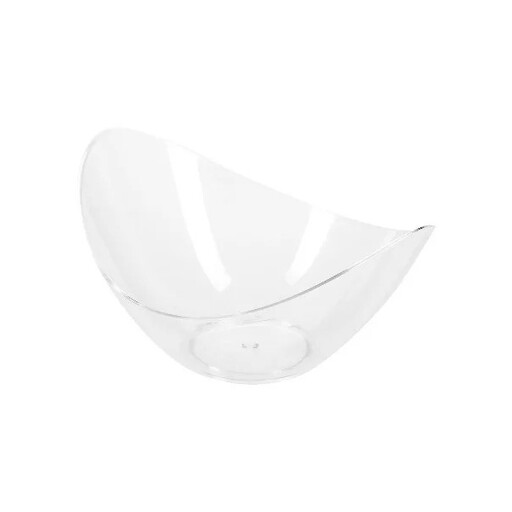
Why It's a Match: Ideal for parties, barbecues, or outdoor events where broken glass is a risk. The large quantity at an affordable price makes it perfect for hosts on a budget who don't want to compromise on style.
This set completely sidesteps the fragility pitfall. Since it's made of plastic (PS), there's no risk of shards, making it a safe choice for parties with many guests or children.
Shatterproof, lightweight, and reusable. Ideal for cocktails, shots, and desserts at both indoor and outdoor events.
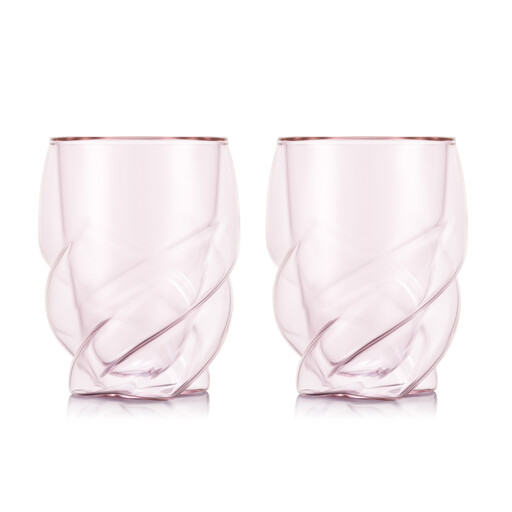
Why It's a Match: Perfect for anyone who wants to enjoy their daily coffee, tea, or cappuccino in style. The double-walled design insulates the beverage, keeping it hot for longer while the outer wall remains comfortable to the touch.
These thermal glasses are made of borosilicate glass. They solve the problem of thermal shock that can occur with regular glass and hot liquids. They are specifically designed for this purpose.
Excellent thermal insulation for hot and cold drinks. The mouth-blown glass is lightweight and, according to the manufacturer, dishwasher-safe.
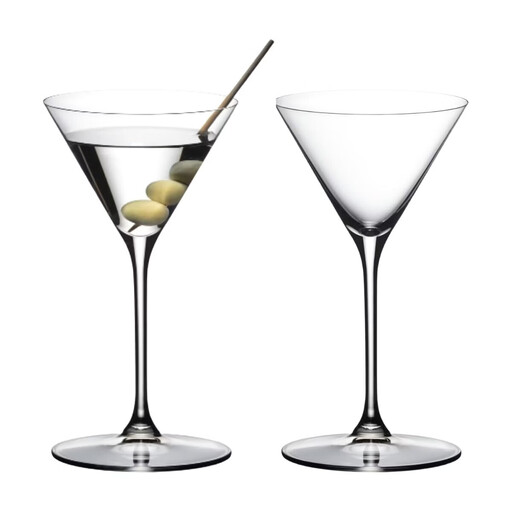
Why It's a Match: For connoisseurs who value using the proper vessel for their cocktails. Riedel is a renowned brand, and this glass is specifically designed for Martinis and similar cocktails to optimise the drinking experience.
This is a deliberate choice for a high-quality, specialised glass. It avoids the pitfall of using an unsuitable everyday glass for a fine drink. According to Riedel, the shape is designed to enhance the aromas.
High-quality, machine-made crystal glass in a classic conical shape. According to the manufacturer, it is dishwasher-safe and designed for the home bar.
We have compiled a comprehensive, up-to-date list of products that fully meet these strict selection criteria and German safety regulations.
1. What is the difference between crystal glass and regular soda-lime glass? The main difference lies in the composition. Crystal glass contains metal oxides (formerly lead, now typically barium, zinc, or potassium) that give it higher density, brilliance, and a clearer ring. It can be ground thinner than soda-lime glass. Soda-lime glass is the standard for everyday use; it's more affordable and robust, but less brilliant.
2. How can I prevent glass corrosion on my drinking glasses in the dishwasher? To minimise glass corrosion, you should wash glasses on a delicate cycle or at low temperatures (maximum 55°C). Use less, but high-quality, detergent and rinse aid. Arrange the glasses so they do not touch. Opening the dishwasher door right after the cycle finishes to let the steam escape also helps protect the glasses. For very high-end glassware, hand washing remains the safest method.
3. Which glass is suitable for which cocktail? A simple rule of thumb: Tall, narrow glasses (highball glasses) are for drinks with lots of ice and a filler (e.g., Gin and Tonic, Cuba Libre). Short, wide glasses (tumblers or whisky glasses) are for spirits served neat or "on the rocks" (e.g., Whisky, Old Fashioned). Stemmed glasses like Martini glasses or coupes are for cocktails served "straight up" (without ice), so the warmth of your hand doesn't affect the drink.