
Lieferung heute & morgen

Qualitätsgarantie

Willkommens-Angebote freischalten: KOSTENLOSE Lieferung | Bis zu 80 % RABATT | Kostenlose 30-Tage-JoyPlus-Testphase
App herunterladen
Anyone looking to buy drops online will find very different product categories under one search term: eye drops, nail polish drying drops, self-tanning drops, face serum and vitamin C serum, as well as cough sweets, liquorice sweets and peppermint sweets. However, the drops format alone says little about suitability, ingredients or how a product should be used.
“Drops”, “Serum Drops” or “Dry Drops” may refer to products for the eyes, skin, nails or consumption. Eye drops for dry eyes, for example, belong to a different product category from a moisturising serum. Before buying, therefore, the intended use and product type should be clearly identifiable.
Terms such as “intensive care”, “fast-acting” or “long-lasting moisture” are difficult to assess without specific details. Measurable information such as volume, concentration, ingredients, shelf life after opening and the recommended frequency of use is more informative.
Fragrances, alcohol, acids and certain preservatives may be relevant in cosmetic serums. Depending on the variety, cough sweets may contain sugar, sweeteners, liquorice extract or salmiak. Manufacturers of sugar-free cough sweets also often warn of a possible laxative effect if consumed excessively. The ingredients list should therefore be checked before buying, along with information about allergens.
First, check whether the product is a medical device, cosmetic product, food or accessory product. Doppelherz Eye Drops Hyaluron 0.2%, for example, are identified as eye drops containing sodium hyaluronate and are intended for use in the eye. OPI Drip Dry, on the other hand, is a liquid for drying nail polish and is intended exclusively for external use on the nails.
For eye drops for contact lens wearers, an explicit statement confirming lens compatibility is important. Not every solution is automatically suitable for contact lenses. Consistency and application may also differ between hyaluronic acid eye drops and gel-based formulations.
The concentration of an ingredient should only be assessed in the context of the complete formulation. Doppelherz Eye Drops Hyaluron 0.2%, for example, list 0.2% sodium hyaluronate and 0.2% hypromellose, among other ingredients. According to the product description, Doppelherz Eye Drops Hyaluron 0.4% contain 0.4% sodium hyaluronate crosspolymer.
When choosing a vitamin C serum, it is worth checking the specific form of vitamin C used. Dear Klairs Freshly Juiced Vitamin Drop contains 5% pure ascorbic acid. The INCI list for ABIB Glutathiosome Dark Spot Vita Drop Serum includes niacinamide, glutathione and several vitamin C derivatives, among other ingredients. Details like these allow for a more objective comparison than general terms such as “glow” or “anti-ageing”.
Check the best-before date, the Period-after-Opening symbol and the storage conditions. Different time limits apply to opened eye drops depending on the product: according to the product information, Doppelherz products should be used within three months of opening, while EyeMedica products are described as having a longer period after opening.
With dropper bottles, the tip must not come into contact with the eye, skin or other surfaces. Self-tanning drops are often mixed with a cream rather than applied undiluted. This applies, for example, to IDA WARG Beauty Self-Tanning Drops. Self-tanner also does not replace sun protection.
The following products meet a range of different needs. What matters is not a general claim of quality, but whether the product matches its intended purpose.
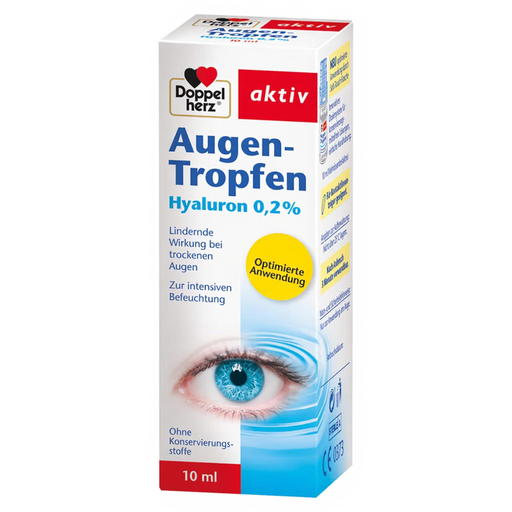
Why this product suits this profile: The 10ml bottle is suitable for anyone looking for a clearly labelled hyaluronic acid formulation for dry or tired eyes and who prefers a preservative-free formula.
The concentration, contents and application instructions are stated clearly. The product description also specifies that it is suitable for contact lens wearers.
0.2% sodium hyaluronate, 0.2% hypromellose, 10ml contents and use as required according to the product information.
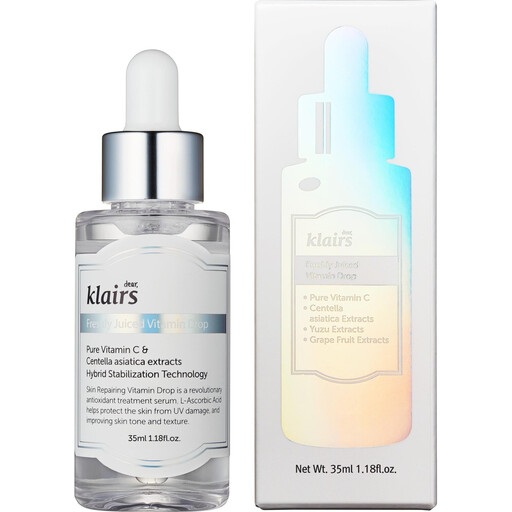
Why this product suits this profile: For skincare users who want to incorporate a clearly labelled vitamin C serum with a lightweight texture into their morning or evening routine.
The product description specifies 5% ascorbic acid and a dosage of 2–3 drops. This makes it easier to assess than vague glow claims.
35ml contents, 5% pure ascorbic acid according to the product description, plus botanical extracts and sodium hyaluronate.
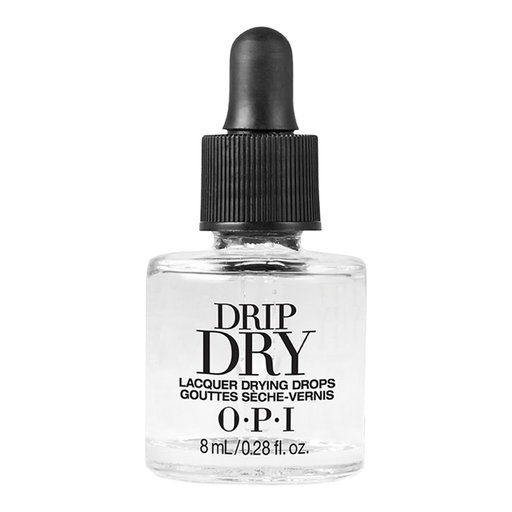
Why this product suits this profile: These drops are designed for anyone who wants to make freshly applied nail polish part of an established care routine and reduce the waiting time after application.
The application is clearly described: 1–2 drops per nail after applying the top coat. Warnings about flammability and external use should be observed.
8ml contents, dropper bottle, plus jojoba oil and vitamin E according to the product description.
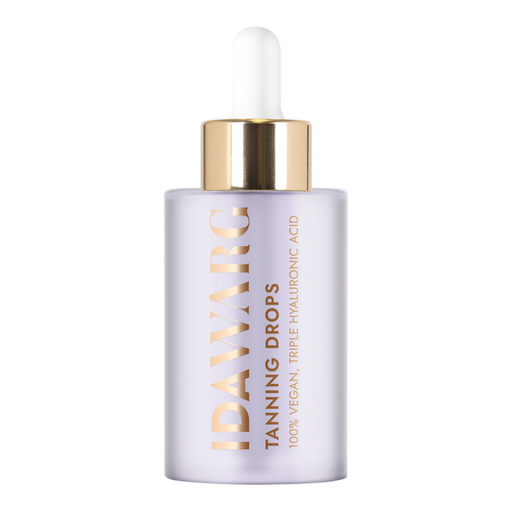
Why this product suits this profile: These facial self-tanning drops are mixed with a day or night cream, allowing you to adjust the amount to suit your skincare routine.
The instructions require mixing the drops with moisturiser and specify 2–6 drops. The “not sun protection” warning prevents any misunderstanding about UV protection.
45ml contents, dosage of 1–6 drops according to the product description, vegan and stated to be fragrance-free.
For the throat and airways, sugar-free cough sweets such as WICK Lemon or WICK Blue may be worth considering. Both product descriptions mention sweeteners and a possible laxative effect if consumed excessively. Those who prefer a classic flavour can choose varieties containing sugar or liquorice extract, such as Villosa Cough Drops, Rheila Salmiakpastillen or Red Band Drop Duo’s fruit and liquorice gummies. Vivil combines a sugar-free recipe with menthol and mint flavouring.
In facial skincare, a moisturising serum, vitamin C serum and PHA serum differ considerably. According to the INCI list, Dear Klairs Fundamental Watery Oil Drop contains glycerin, betaine, sodium hyaluronate and ceramides, among other ingredients. Belif Super Drops contain 5% gluconolactone (PHA), as well as panthenol and sodium hyaluronate. If you have sensitive skin, also check for fragrances, essential oils and acids.
Only products explicitly labelled as eye drops are suitable. Look for information about preservatives, concentration, the period after opening and contact lens compatibility. If irritation, pain or visual disturbances persist, stop using the product and seek medical advice.
This depends on the individual product. Some eye drops should be used within three months, while others specify a longer period. For cosmetics, check the Period-after-Opening symbol on the packaging. The information on the actual product label always takes precedence.
“Sugar-free” does not automatically mean calorie-free. Sweeteners such as isomalt, maltitol or xylitol may be present and can have a laxative effect if consumed excessively. For children, you should also check the recommended age and the risk of choking.