
Lieferung heute & morgen

Qualitätsgarantie

Willkommens-Angebote freischalten: KOSTENLOSE Lieferung | Bis zu 80 % RABATT | Kostenlose 30-Tage-JoyPlus-Testphase
App herunterladen
By Joybuy Product Recommendation Officer, August 28, 2026
The market for energy drinks is diverse and constantly growing. Whether for long workdays, intense study sessions, or athletic activities, the selection is vast. However, when buying energy drinks, many people fall into common traps that compromise not only their wallets but also the desired results. This guide will help you separate the wheat from the chaff and make an informed decision.
Before you fill your shopping cart, you should be aware of the common marketing promises and product weaknesses that often lead to disappointment.
To make the right choice, you should focus on objective criteria rather than loud advertising slogans. Pay attention to the following three points before you buy.
This is the most important factor in avoiding the aforementioned sugar trap. Products can be roughly divided into three categories:
Caffeine content is legally regulated in many regions and is typically around 32 mg per 100 ml for most energy drinks. A 500 ml can therefore contains about 160 mg of caffeine, which is roughly equivalent to two cups of coffee. Besides caffeine, other substances are often included:
Check the ingredients list to ensure the product meets your requirements.
For regular consumers, buying in bulk is almost always the more economical choice. Whether it's a case of 24 x 250 ml cans or a tray of 12 x 500 ml cans, the price per litre is significantly lower than buying single units. Look out for energy drinks on sale to save even more. Bulk packs are not only cheaper but also more convenient, as you always have a supply on hand.
Based on the criteria above, we have compiled a few products for typical user profiles.
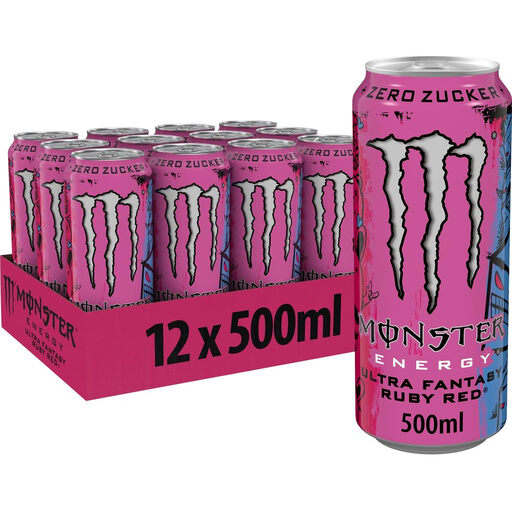
Why This Fits Their Persona: Ideal for users who want a full energy kick without the sugar and calories. The refreshing grapefruit flavour offers a welcome change from the classic energy drink taste and is suitable for daily consumption during work or study.
This product completely bypasses the sugar trap. It is a zero-sugar energy drink with no calories, which prevents the dreaded "sugar crash."
A full 150 mg of caffeine per 500 ml can for long-lasting focus. Buying it in a 12-pack significantly lowers the price per can.
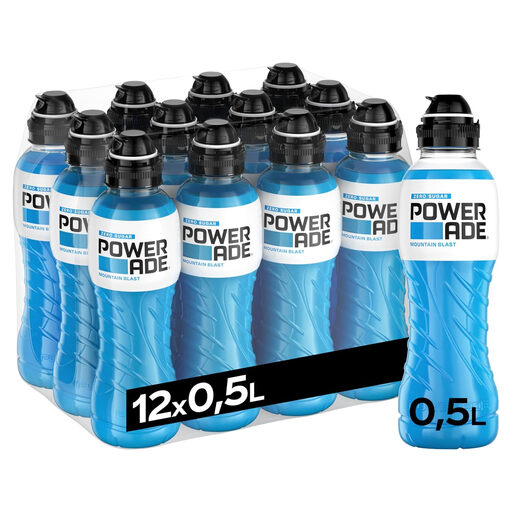
Why This Fits Their Persona: Perfect for athletes who need to replace fluids and electrolytes during or after a workout. Unlike classic energy drinks, the focus here is on rehydration, not stimulation from caffeine.
This product avoids the "one-size-fits-all" myth. It is a specialised isotonic drink specifically designed for athletic activity and contains no unnecessary stimulants.
Calorie-free and enriched with vitamin B6, which helps reduce fatigue. The resealable bottle is practical for workouts.
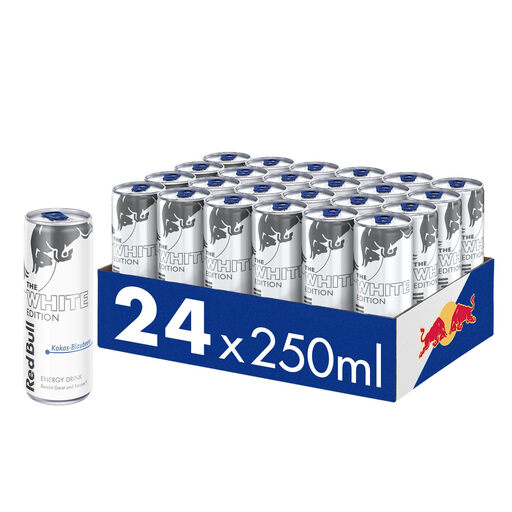
Why This Fits Their Persona: For fans of the Red Bull brand who are looking for a different flavour and want to save money by buying a whole case. The 250 ml cans are convenient for on-the-go and provide a controlled portion of energy.
This product bypasses the cost trap of single-can purchases. Buying a Red Bull case of 24 cans significantly reduces the unit price and ensures a long-lasting supply.
Proven formula with taurine and B vitamins in a unique flavour combination. The bulk pack is ideal for stocking up at home or in the office.
We have compiled a complete, up-to-date list of products that fully meet these strict selection criteria and local regulations.
1. What is the difference between energy drinks and isotonic sports drinks? The main difference lies in their purpose. Energy drinks are primarily designed to increase mental alertness and concentration through stimulants like caffeine. Isotonic drinks, on the other hand, are intended to quickly replenish the body with fluids and electrolytes lost through sweat during exercise. They typically contain little to no caffeine.
2. How much caffeine is in a typical can of energy drink? In many regions, the maximum permitted caffeine content for energy drinks is 32 mg per 100 ml. A standard 250 ml can therefore contains 80 mg of caffeine, while a 500 ml can contains 160 mg. It is always advisable to check the specific details on the product's label.
3. Is it worth buying energy drinks in a multi-pack? Yes, for regular consumers, buying in a multi-pack (e.g., 12 or 24-can cases) is almost always the most cost-effective option. The price per litre is significantly lower than when buying single cans. Furthermore, it's convenient to have a supply at home and not have to shop for each can individually.