
Lieferung heute & morgen

Qualitätsgarantie

Willkommens-Angebote freischalten: KOSTENLOSE Lieferung | Bis zu 80 % RABATT | Kostenlose 30-Tage-JoyPlus-Testphase
App herunterladen
The flour aisle can be overwhelming. The wrong choice can quickly lead to a dry cake, a pizza with a tough crust, or an international dish that just doesn't taste like it did on holiday. Often, the problem isn't the recipe, but the choice of flour. Certain marketing terms or unclear packaging can lead to buying the wrong product.
So, before you order flour online again, you should know the most common pitfalls:
To avoid these problems, it's helpful to understand the basic parameters that define a flour.
Choosing the right flour depends on three core factors: the flour type, the grain variety, and the specific use case.
In Germany, the flour type (Mehltype) indicates the mineral content in milligrams per 100 grams of dry matter. This number is crucial for the baking result.
An exception is the Italian Type 00 pizza flour (Tipo 00). Here, the number does not refer to the mineral content but to the extremely fine grind, which ensures a particularly elastic and smooth pizza dough.
Besides classic wheat, there is a wide variety of grains with different properties:
For special diets or culinary adventures, there is a growing selection of alternatives:
Here are some recommendations tailored to specific cooking and baking projects.
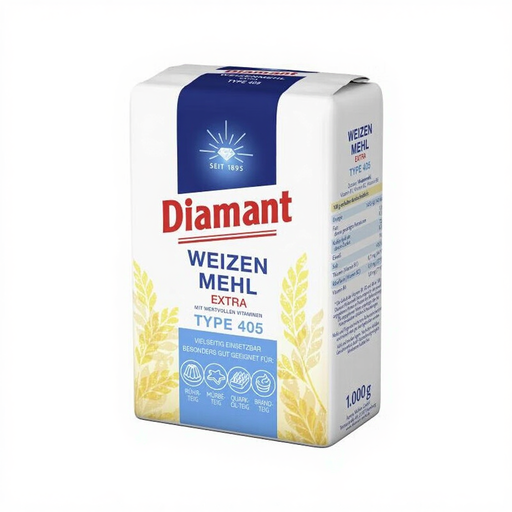
Why it's a great fit: This flour is the German standard for fine baking. It is ideal for anyone who regularly makes sponge cakes, biscuits, cookies, or light sauces and wants reliable results.
Avoids the 'Type' Trap, as it is the classic Type 405 wheat flour, specifically designed for fine and light baked goods.
Universally suitable for fine baked goods and ensures a consistent, light texture. According to the manufacturer, it is fortified with vitamins B1, B2, and B6.
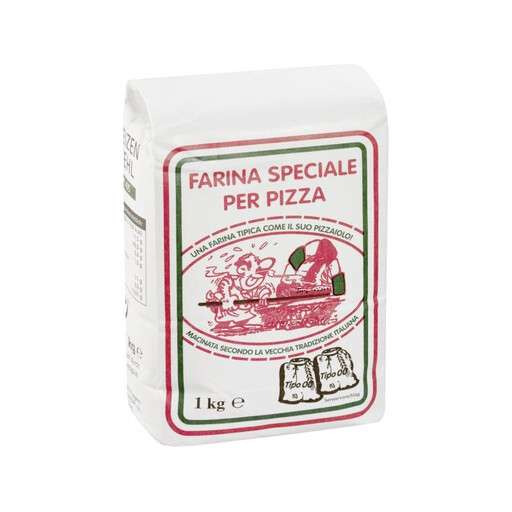
Why it's a great fit: For anyone striving for the perfect Neapolitan-style pizza dough. This flour is specially developed for making elastic, thin pizzas with an airy crust.
Sidesteps the 'All-in-One' Illusion by being a speciality flour that provides the exact properties (high protein content, fine grind) needed for authentic pizza dough.
The Type 00 pizza flour allows for high water absorption and develops a strong gluten network, resulting in a stretchy dough and a crisp, light crust.
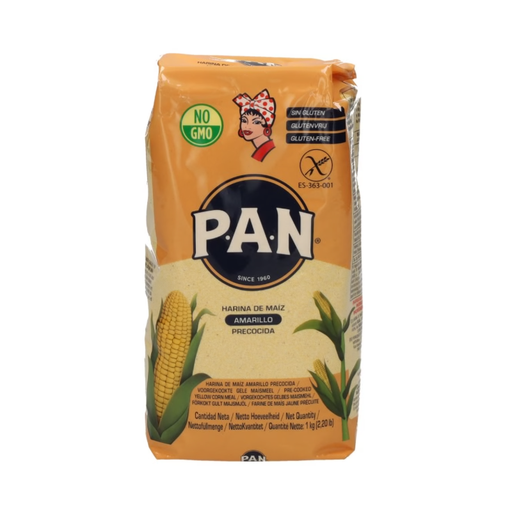
Why it's a great fit: This is the original flour for anyone wanting to make authentic Latin American dishes like arepas, empanadas, or tamales. It is a pre-cooked cornmeal that is fundamentally different from standard corn grits or polenta.
Solves the problem of inauthentic results by being the specific, pre-cooked cornmeal required for these traditional recipes, which cannot be substituted with other types of flour.
Allows for the easy preparation of a smooth, pliable dough just by adding water and salt. The flour is also naturally gluten-free.
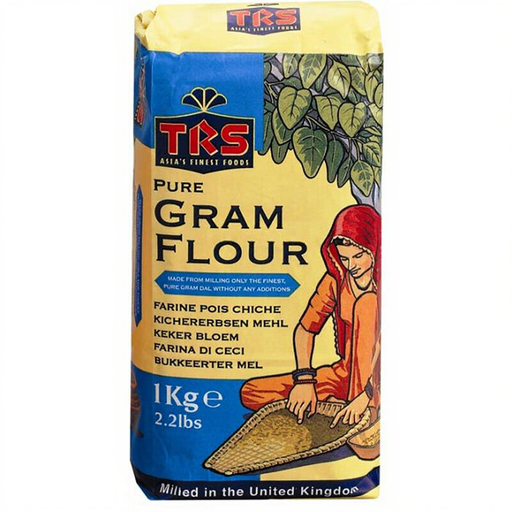
Why it's a great fit: A versatile, gluten-free alternative for health-conscious cooks. It's suitable for Indian pakoras, pancakes (socca), thickening sauces, or making vegan omelettes.
Prevents 'Misunderstanding Alternatives' by offering a clear, versatile option for gluten-free cooking with well-known properties (high protein, good binding).
This chickpea flour is naturally rich in protein (21.7g per 100g according to the manufacturer) and fibre, making it a nutritious ingredient.
We've compiled a complete, up-to-date list of products that fully meet these selection criteria and current regulations.
The flour type (e.g., 405, 550, 1050) is a standardised German specification that indicates the mineral content of the flour. A low number like 405 means the flour is very fine, has low bran content, and is suitable for delicate pastries. A high number like 1050 signifies a darker flour with more minerals and fibre, ideal for robust breads.
Flour should always be stored in a cool, dry, and dark place. After opening, it is advisable to transfer the flour from its paper bag into an airtight container. This protects it from moisture, foreign odours, and pests. A flour storage container with a 1 kg capacity is a practical solution for this.