
Lieferung heute & morgen

Qualitätsgarantie

Willkommens-Angebote freischalten: KOSTENLOSE Lieferung | Bis zu 80 % RABATT | Kostenlose 30-Tage-JoyPlus-Testphase
App herunterladen
When you're buying food online, you'll quickly find a wide selection of breakfast items, store-cupboard staples, Asian groceries and international specialities. However, the product page is no substitute for checking the ingredients list, allergens and storage instructions. Particularly with unusual pack sizes or imported items, important details can easily be overlooked.
A 450g pack may look uniform at first glance. But the contents, preparation method and shelf life can differ significantly. A 450g pack of Vietnamese noodles can stretch to several meals, whereas a jar of fruit spread should be used up within a few weeks of opening.
So before you buy, check:
Labels like "traditional", "authentic" or "with less sugar" tell you very little about what's actually inside. Far more revealing are the ingredients listed in descending order, the nutritional information table and the allergen labelling.
For example, muesli can contain oats, wheat, barley, milk and nuts. A chocolate-hazelnut spread may contain hazelnuts, milk and soya. A kimchi base can, depending on the recipe, include fish, squid or soya. If you have allergies, always check the information on the current packaging.
Seafood isn't always stored the same way. Cooked mussel meat can be sold frozen, while a cooked seafood mix needs to be kept at 0 to 4 °C. In many cases, a product must not be refrozen once thawed.
So before placing your order, make sure you can accept the delivery and put everything away straight away.
Look for clearly listed ingredients and the legally required allergen information. Noodles often contain gluten from wheat. Baking mixes may also contain milk, egg, soya or nuts. With Asian foods, you might also come across fish, crustaceans, molluscs or fermented soya ingredients.
The product description can give you a first idea, but the labelling on the packaging is what counts – recipes and labels can change.
For international foods, you should be able to trace the country of origin, the manufacturer and, where applicable, the importer. For example, HUONG XUA Fresh Wheat Noodles come from Vietnam, the Mikko Pandan Honeycomb Cake Mix is from the Vietnamese product range, and the Momoya Kimchee Base is from Japan.
A German contact or importer makes it easier to follow up with any questions. This is especially important when product information is available in several languages.
Unopened, shelf-stable products like black tea, jam, golden syrup or muesli are usually stored in a dry place away from direct sunlight. Once opened, the recommendation can change:
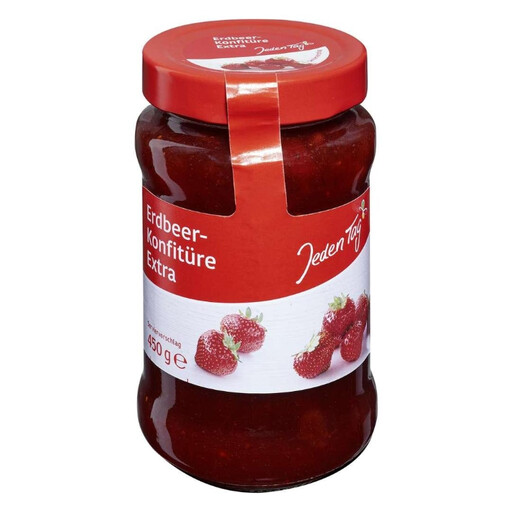
Why this product fits the profile: The 450g jar is ideal for breakfast, yoghurt or baking, and requires no extra preparation.
The product data lists the fruit content, ingredients and the need for refrigeration after opening, rather than making a vague quality claim.
50g strawberries per 100g according to the product information; shelf-stable jar with 450g contents.
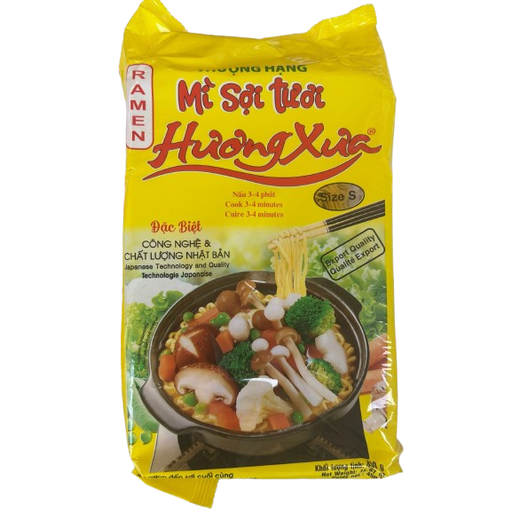
Why this product fits the profile: These wheat noodles are designed for soups, stir-fries and cold noodle salads, offering plenty of versatility.
The ingredients list states 90% wheat flour, tapioca starch and salt. Gluten is explicitly listed as an allergen.
450g pack; according to the information, 340 kcal and 12g protein per 100g. Origin: Vietnam.
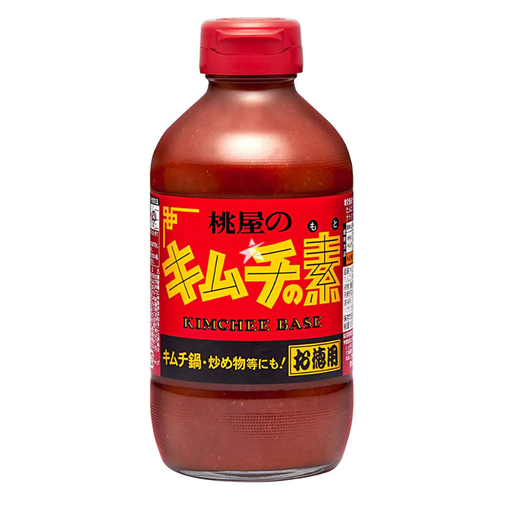
Why this product fits the profile: This ready-to-use paste can be portioned out for kimchi, kimchi hotpot and other spicy dishes.
Fish, molluscs and soya are listed in the ingredients and allergen information. This makes it easier to assess suitability before buying.
450g pack; according to the product information, 14g salt per 100g. Preparation instructions for kimchi and hotpot are included.
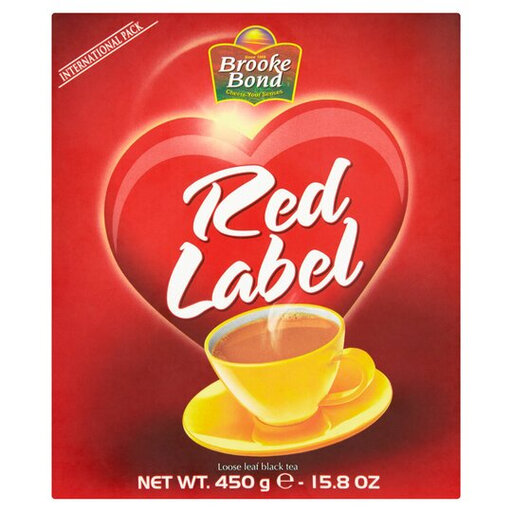
Why this product fits the profile: Loose black tea is perfect for daily brewing and for making chai with milk and spices.
The ingredients list shows 100% black tea. Preparation, dosage and storage are all clearly described.
450g contents; according to the product data, no added ingredients and no declared allergens.
Other suitable store-cupboard items include Basak Plain Cake Mix 450g, various 450g jam jars, Kölln Muesli, Nutella, Grafschafter Goldsaft, as well as chilled or frozen seafood. When choosing, what matters are the ingredients, storage conditions and how quickly you'll use them in your household.
Shelf-stable products like black tea, muesli, jam, baking mixes, chocolate-hazelnut spread and golden syrup are particularly well suited. Asian foods such as noodles, kimchi bases or seasoning sauces can also be ordered online, as long as the ingredients and storage instructions are clearly stated.
That depends on the type of product and the packaging. Unopened dry goods are often more durable than opened fruit spreads. The specific best-before date is on the packaging. Once opened, follow the relevant storage and usage instructions.
Pay attention to the stated temperature, how you'll accept the delivery, and how to use it after opening. Frozen goods are usually stored at −18 °C or colder. Chilled goods should go straight into the fridge and be used within the stated time after opening.