
Lieferung heute & morgen

Qualitätsgarantie

Willkommens-Angebote freischalten: KOSTENLOSE Lieferung | Bis zu 80 % RABATT | Kostenlose 30-Tage-JoyPlus-Testphase
App herunterladen
Anyone looking to buy a football is often faced with a huge selection. From official Bundesliga replica balls to special kids' footballs, the range of options can be overwhelming. The wrong choice not only leads to disappointment but also unnecessary expense. While many balls look appealing, they quickly prove to be unsuitable for their intended purpose. This guide will help you identify the key features and make an informed decision.
The most common mistakes when buying a football are easy to identify:
To avoid these mistakes, you should check three key parameters before buying. These are crucial in determining the ball's playing characteristics, durability, and overall enjoyment.
The size of a football is standardised and directly linked to the players' age. Choosing the correct size is fundamental for ball control and a clean striking technique.
A ball's outer material and construction determine its robustness and playing behaviour.
Consider where the ball will be used most often. A training ball for a grass pitch has different requirements than a ball for a cage or a schoolyard. Balls for hard surfaces need a particularly abrasion-resistant outer layer, while indoor balls often have a felt-like surface for better control on smooth floors.
Based on these criteria, we have put together a few models for different user profiles.
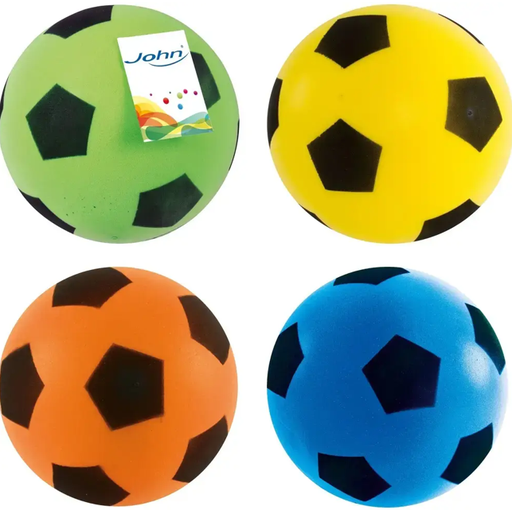
Why This Fits Their Persona: Ideal for toddlers and young children (ages 3-8) taking their first steps in football. The soft material minimises the risk of injury and is perfect for safe play indoors and in the garden.
This ball avoids the trap of buying a ball that's too hard or heavy for a young child. Its soft foam/plastic construction is specifically designed for the safety and enjoyment of the youngest players.
Safe Material: Soft construction for risk-free play. Lightweight: At 165g, it's easy for small children to handle.
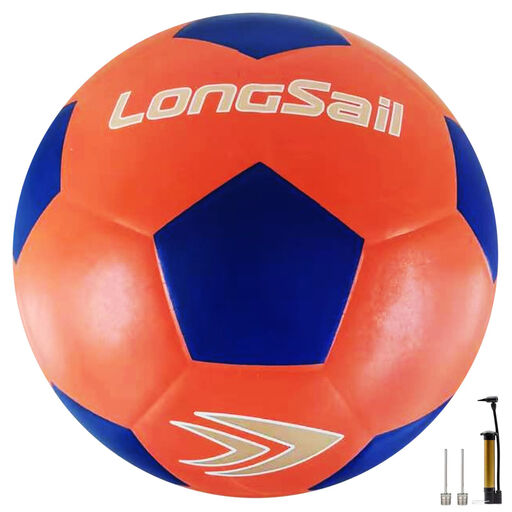
Why This Fits Their Persona: A durable, all-weather training ball for youth players (ages 8-12). The seamless rubber construction makes it waterproof and long-lasting, ideal for regular training sessions on grass or hard courts.
This ball solves two problems: it's the correct Size 4 football for youth players, and its seamless, waterproof rubber shell prevents it from getting waterlogged and heavy in wet conditions.
Waterproof Construction: Won't swell up in the rain. High Durability: Withstands intensive use. Comes as a complete set with a pump and ball net.
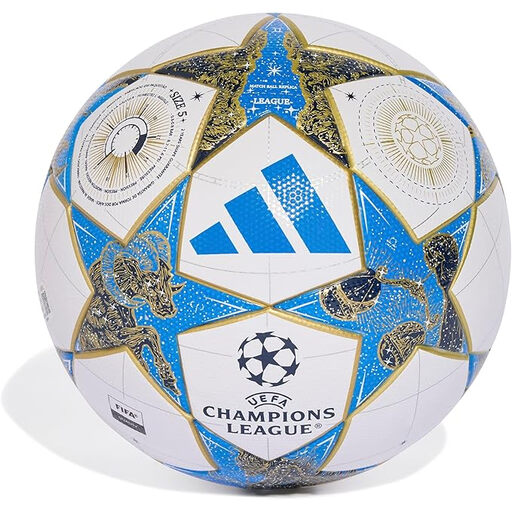
Why This Fits Their Persona: For fans who want the feel of an official match ball and for players who value performance. As a replica of the official Champions League ball, this Adidas football offers high quality for training and recreational play.
This ball avoids the trap of buying a model for its design alone. Its seamless, thermally bonded construction and butyl bladder are technical features that ensure low water uptake and long-lasting air retention.
Seamless Construction: Minimises water absorption and ensures a precise flight path. Butyl Bladder: Ensures minimal air pressure loss.
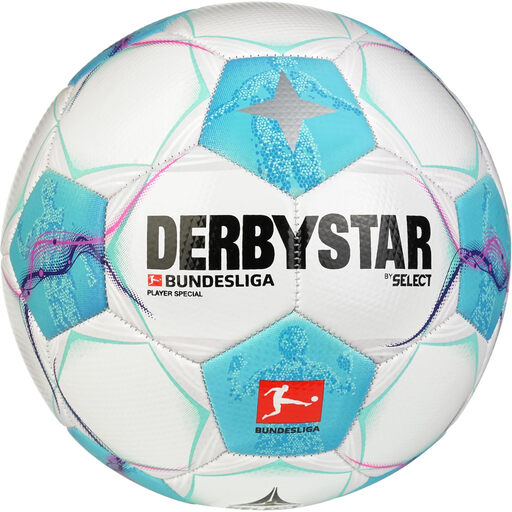
Why This Fits Their Persona: A versatile training ball in Size 5 football for amateur and recreational players. The official design of the Derbystar Bundesliga ball combines fan aesthetics with robust functionality for regular use.
This ball avoids the mistake of choosing an unsuitable material. The durable PU material is a proven choice for longevity and consistent playing characteristics on various surfaces like grass and artificial turf.
Versatile Use: Suitable for grass, artificial turf, and indoor use. Durable Material: High-quality PU for a long lifespan.
We've compiled a complete, up-to-date list of products that fully meet these strict selection criteria and applicable regulations.
An official match ball is designed for competitions and must meet strict FIFA criteria for weight, roundness, and bounce. They often use the most advanced technologies and materials. A training ball is built to be more robust and durable to withstand the rigours of frequent training sessions. It is typically more cost-effective but still offers good playing characteristics.
Use a ball pump with a suitable needle. Moisten the needle with a little water or valve oil before inserting it into the valve to prevent damage. Slowly inflate the ball to the recommended pressure, which is usually printed on the ball next to the valve (e.g., 0.6–0.8 bar). Too much pressure can damage the seams, while too little will negatively affect its bounce and flight characteristics.
Clean the ball with a damp cloth after use to remove dirt. Store it in a dry, cool place and avoid direct sunlight or extreme temperatures. Check the air pressure regularly and re-inflate as needed. Avoid contact with sharp objects to prevent punctures.