
Lieferung heute & morgen

Qualitätsgarantie

Willkommens-Angebote freischalten: KOSTENLOSE Lieferung | Bis zu 80 % RABATT | Kostenlose 30-Tage-JoyPlus-Testphase
App herunterladen
If you’re looking to buy a freezer, you’ll probably compare price and capacity first. But those details don’t tell the whole story. You’ll also need to consider where it will go, how much energy it uses, how noisy it is and how much day-to-day maintenance it needs. A freezer that seems like a bargain may prove impractical if the door won’t open properly in your kitchen, the interior is poorly organised or the model isn’t suitable for a cold cellar.
A large freezer needs more than just floor space. Before you buy, check that there’s enough room to open the door, allow for ventilation and get the appliance to its intended position. Usable capacity can also be lower than the advertised total volume if the freezer has lots of drawers or dividers.
So make sure you measure:
A NoFrost freezer circulates cold air to reduce ice build-up inside. A Low Frost model usually builds up less ice than a conventional appliance, but may still need occasional defrosting. A freezer without either feature will generally require more maintenance.
If you want to keep upkeep to a minimum, check the specific defrosting technology in the product specifications. Don’t assume that “frost-free” means the same thing as every type of reduced ice build-up.
The EU energy label ranges from A to G. Even freezers with a D or E energy rating can have significantly different energy consumption, depending on their size. Always compare the stated annual consumption in kWh per year.
For a rough cost estimate:
Annual consumption in kWh × your electricity price per kWh = estimated annual electricity costs
Actual consumption depends on factors including room temperature, how full the freezer is, its temperature setting and how often you open the door.
An upright freezer gives you easy access to food in its drawers and compartments. It’s often a good choice for kitchens, utility rooms and cellars. A chest freezer makes good use of floor space and can be practical for larger amounts of food, although items at the bottom are less easy to reach.
As a rough guide:
Freezing capacity is usually given in kg per 24 hours. It shows how much fresh food the appliance can freeze in a day under specified conditions. A fast-freeze function temporarily lowers the temperature further, which is useful when you’re adding a large amount of fresh food.
Switch the function off again once the food is frozen, unless it switches off automatically. Also check how long the freezer can keep food frozen during a power cut. This can vary considerably between models.
Noise levels are measured in dB(A). Levels of around 36 to 40 dB(A) may be worth considering for open-plan living areas, kitchens or home offices. If you’re looking for a quiet freezer, a level, stable surface is just as important as the stated noise rating.
A freezer for a garage or cellar needs to be suitable for the temperatures it’s likely to experience. For example, some models are rated by the manufacturer for ambient temperatures as low as -15 °C. Always check the stated climate class and installation instructions. A cold, unheated room isn’t automatically suitable for every freezer.
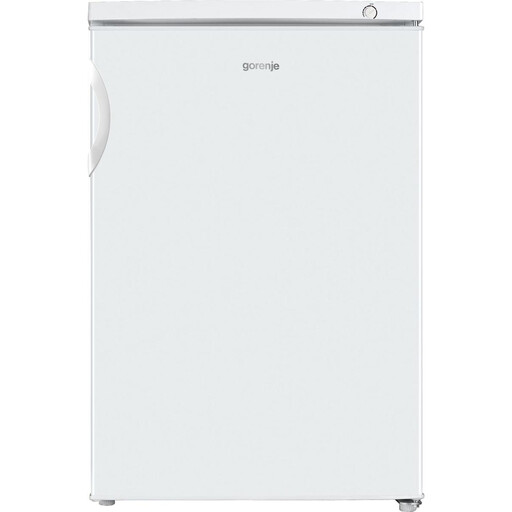
Why this product suits this type of buyer: This compact upright freezer has an 85-litre capacity, three transparent drawers and manual controls. It’s ideal for smaller households or as an additional freezer.
The specifications state an annual consumption of 131 kWh, a D energy rating and a reversible door. This makes it easier to assess running costs and check whether it will fit your space before you buy.
85 litres of usable capacity, EcoMode, a 4-star compartment and a stated storage time of up to 15 hours during a power cut.
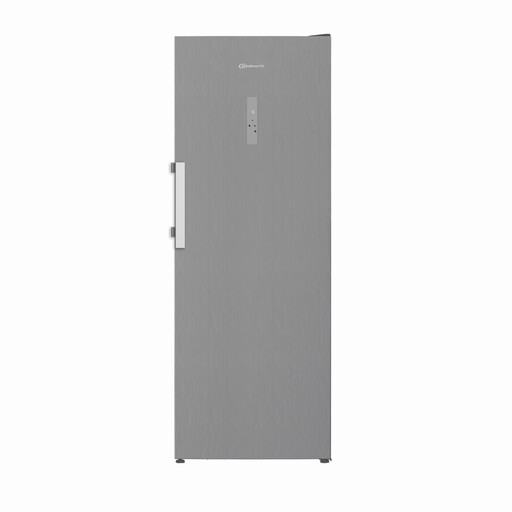
Why this product suits this type of buyer: This upright freezer offers a 404-litre capacity, NoFrost technology, six drawers and app connectivity for controlling selected functions.
NoFrost reduces the need for manual defrosting. The six drawers make it easier to organise large amounts of food, rather than stacking items on top of one another.
404 litres, D energy rating, a stated consumption of 233 kWh per year and a noise level of 38 dB(A).

Why this product suits this type of buyer: This 142-litre chest freezer is ideal for storing extra supplies. According to the product specifications, WinterProof means it can be used in unheated rooms at temperatures as low as -15 °C.
The product details clearly state the recommended temperature range. This helps you check whether a cellar or garage is a suitable place for it.
142 litres, 39 dB, D energy rating, a fast-freeze function and a switchable Multi-Zone function.
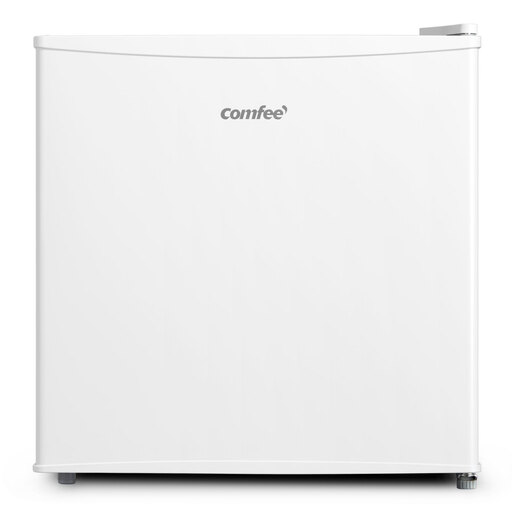
Why this product suits this type of buyer: With a 31-litre capacity and compact dimensions, this model is suitable for an office, holiday home or single-person household, or as an extra freezer alongside your existing fridge.
Its compact capacity means you won’t need to set aside unnecessary floor space or appliance capacity if you only need to store a small amount of food.
31-litre capacity, a 4-star compartment, reversible door and a stated noise level of 41 dB.
We’ve put together a complete, regularly updated list of products that meet these strict selection criteria and fully comply with the safety regulations in force across the EU.
Place the appliance on a level, stable surface and leave the ventilation clearances specified in the manual. After transport, leave the freezer upright for several hours before plugging it in, as instructed by the manufacturer.
These habits can help your freezer run efficiently:
It depends on your shopping habits and how much food you need to store. Around 60 to 100 litres may be enough if you only need a little extra freezer space. If you regularly batch-cook or buy larger quantities, consider a capacity of 120 to 200 litres. What matters is how much storage space you actually need, not just the size of your household.
Only if the model is approved for the temperatures it’s likely to experience there. Check the climate class, permitted ambient temperature and the manufacturer’s instructions. A freezer designed for heated indoor spaces may not be suitable for a cold garage.
You can estimate the annual electricity cost using the EU energy label: multiply the annual consumption in kWh by your own electricity price. A smaller freezer with higher energy consumption per litre may cost more to run than a larger model with a better consumption figure. So compare energy consumption, usable capacity and how you plan to use it.