
Lieferung heute & morgen

Qualitätsgarantie

Willkommens-Angebote freischalten: KOSTENLOSE Lieferung | Bis zu 80 % RABATT | Kostenlose 30-Tage-JoyPlus-Testphase
App herunterladen
A freezer can make storing groceries, meal prepping and keeping seasonal food much easier. There’s a wide choice, from compact models for one person to large NoFrost freezers for families. But capacity isn’t the only factor that determines how practical a freezer will be day to day.
Three common buying mistakes can lead to unnecessary costs:
A freestanding freezer makes use of vertical space and usually has drawers or flaps, making it easier to organise food. A chest freezer, on the other hand, takes up floor space and can be practical for larger, irregularly shaped packs. However, it’s less convenient to access items at the bottom.
As a rough guide:
Before buying a freezer, measure more than just its width, height and depth. Allow for the distance from walls, the door opening, stairs, lifts and the space needed for air circulation. Always follow the installation instructions provided by the manufacturer.
Energy efficiency class D or E is shown on the EU energy label. The stated annual consumption in kilowatt-hours is also important when comparing running costs. Your actual electricity costs will depend on your tariff, where the freezer is installed, how full it is and how you use it.
A class D freezer may have a lower annual energy consumption than a similar-sized class E model. So always compare capacity and annual kWh consumption together. A larger freezer with more usable space may still use more electricity overall, even if it has a better energy rating.
Ambient temperature also matters. Freezers designed for unheated spaces are not automatically suitable for every garage. Check the stated climate class and any guidance on using the appliance at low temperatures.
A four-star freezer is designed for long-term storage of frozen food. Its freezing capacity, measured in kilograms per 24 hours, shows how much fresh food it can freeze in a day. If you often buy groceries in large quantities, a freezer with a fast-freeze function can be useful, provided you use it as instructed in the manual.
Here’s how the defrosting options differ:
You should also compare the noise level in dB(A), the storage time in the event of a power cut and the interior layout. Drawers make smaller packs easy to organise, while flaps and baskets can offer more flexibility for larger containers.
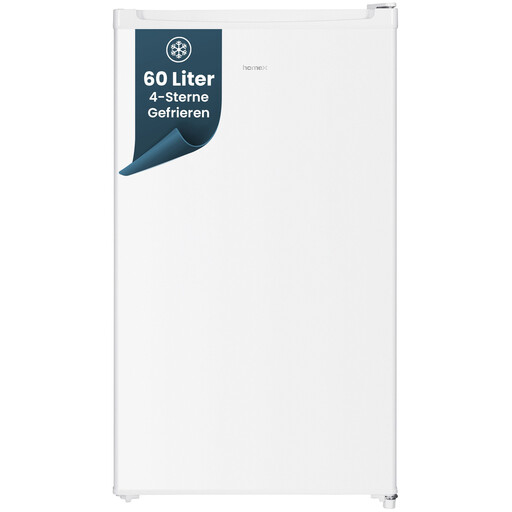
Why this product is a good match: This compact freestanding freezer offers 60 litres of usable capacity, making it suitable for one person, a small household or use as a second freezer.
Its clearly stated size helps prevent you from using valuable floor space for capacity you don’t need. The reversible door makes it easier to fit into smaller rooms.
60 litres of usable capacity, a four-star rating, 2 transparent drawers, one compartment and a noise level of 40 dB, according to the product information.
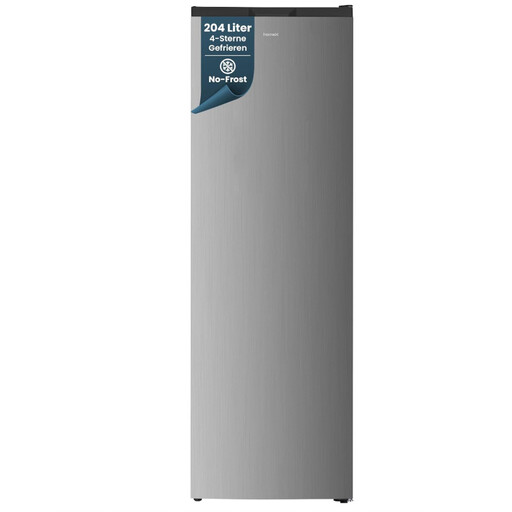
Why this product is a good match: With 204 litres of usable capacity, NoFrost and six interior compartments, this freezer is designed for households that regularly stock up and want to spend less time defrosting.
NoFrost helps tackle the maintenance work that’s often underestimated. Before buying, you’ll still need to check the available space, door opening and clearance for airflow.
204 litres, NoFrost, Super-Frost function, 39 dB, energy efficiency class E and a reversible door, according to the product information.
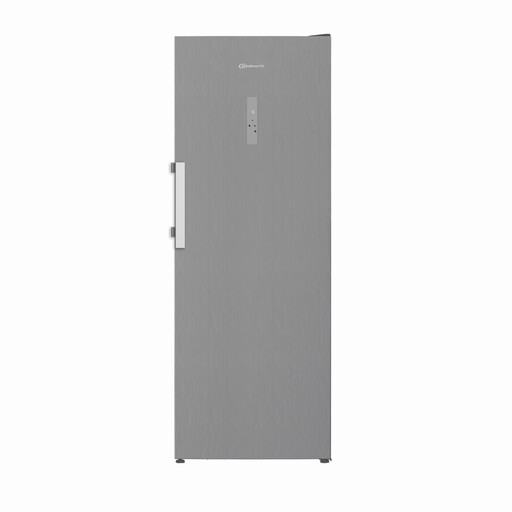
Why this product is a good match: This large model is designed for families, extensive meal prep and households with a high demand for freezer space.
Its large capacity is combined with NoFrost and six drawers. Before ordering, though, make sure you have room for its 191.2 cm height, 70 cm width and 81.3 cm depth.
404 litres, a freezing capacity of 19 kg per 24 hours, energy efficiency class D, 38 dB and a Multi-Zone function, according to the product information.

Why this product is a good match: This chest freezer offers flexible storage for groceries and, according to the product information, can also be used in cooler, unheated rooms at temperatures as low as -15 °C.
Its stated WinterProof suitability helps avoid the common mistake of choosing an appliance that isn’t designed for cold rooms. It will still need adequate ventilation and a level surface.
142 litres, energy efficiency class D, 39 dB, fast-freeze functions and Multi-Zone switching, according to the product information.
We’ve put together a complete, regularly updated list of products that meet these strict selection criteria and fully comply with the safety regulations in force in the EU.
Place the appliance on a stable, level surface and leave the clearances specified in the manual. After transport, leave the freezer upright for the period recommended by the manufacturer before switching it on. Don’t put hot food straight into the appliance. Keeping it evenly stocked helps air circulate.
If there’s a power cut, keep the door closed. The stated storage time without power is a guide for comparison; it can also depend on how full the freezer is, the room temperature and the door seal. Damaged seals, blocked ventilation openings and frequent door opening can increase energy consumption.
The annual consumption is shown on the EU energy label in kWh. To estimate the cost, multiply this figure by your electricity price per kWh. The freezer’s size, energy efficiency class, ambient temperature and how you use it all affect its actual consumption.
It depends on the design. If your freezer requires manual defrosting, check regularly for ice build-up. MinFrost can reduce ice formation, while NoFrost significantly cuts down on manual defrosting, according to the product information. Always follow the care instructions for your model.
Not every model is. Check the climate class and permitted ambient temperature. Some freezers are designed for unheated spaces, while others need to be kept indoors at a suitable temperature. You should also consider moisture, ventilation and the power supply at the installation site.