
Lieferung heute & morgen

Qualitätsgarantie

Willkommens-Angebote freischalten: KOSTENLOSE Lieferung | Bis zu 80 % RABATT | Kostenlose 30-Tage-JoyPlus-Testphase
App herunterladen
Frozen vegetables are a handy staple for many households in the UK. They can be taken out in portions, usually need little preparation, and work well as sides, in soups, bakes or stir-fries. Even so, it pays to look closely at the product information. A flashy packet alone tells you very little about the ingredients, portion size or how much effort is needed to cook them.
A 1,000 g bag might look good value at first glance. But if you only use the vegetables occasionally or they clump together after opening, some may end up sitting in the freezer for ages. For single-person households and occasional users, 400 g or 750 g packs can be much more practical. Families and heavy users, on the other hand, often get more from larger bags.
With a frozen vegetable mix, you should always check the ingredients list. Alongside the vegetables, there may be seasonings, sauces, fats or stocks. That isn’t necessarily a problem, but it does change the salt, fat and calorie content. If you like to cook in different ways, plain vegetables give you more flexibility and let you season them yourself.
Frozen broccoli, frozen peas or frozen green beans can vary a lot in their recommended cooking times. Some products are ready to serve in just a few minutes, while others take longer. With beans in particular, thorough heating is essential. Always follow the instructions on the specific pack.
Frozen vegetables should be stored at -18 °C or below. When you’re shopping or having them delivered, make sure the packaging is undamaged and the contents don’t look heavily clumped together or partially thawed. Once thawed, the product should not be refrozen.
The best-before date applies to the unopened pack stored correctly. After opening, the contents should stay frozen. For online orders, the delivery conditions for frozen goods matter too – especially suitable packaging and as short a transport time as possible.
With plain frozen vegetables, the ingredients list is usually short. But seasoned varieties, creamed spinach or vegetable stir-fry mixes may contain milk, wheat, soya, celery or other allergens that have to be labelled.
So check:
Organic frozen vegetables should carry a clear organic certification mark on the pack. A marketing claim without the proper certification is not a reliable way to choose.
For a quick vegetable side, products you can portion out easily are especially handy. Frozen peas can usually go straight from the bag into a pan, frying pan or microwave. Leafy vegetables like frozen spinach work well in pasta, quiche, soups and sides, but depending on the product they may need a longer heating time.
Frozen herbs can also be useful if you rarely use up fresh herbs completely. A resealable pack makes it easier to take out small amounts.
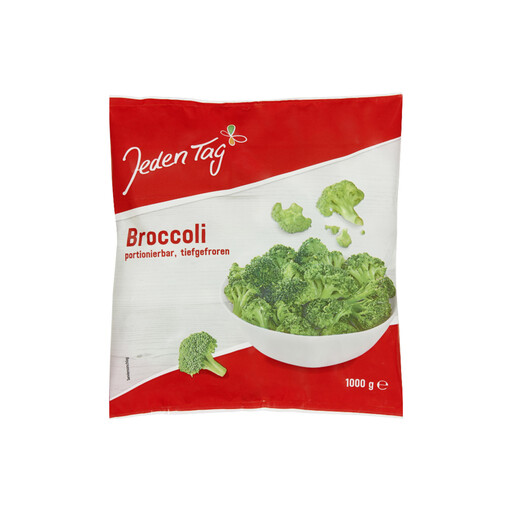
Why this product fits the profile: The 1 kg pack is suitable for households that use broccoli regularly as a side, in soups or in bakes. The vegetables can be cooked straight from the freezer.
The ingredients list states broccoli with no declared allergens or added sauces. This keeps your options open.
1,000 g content; according to the product details, around 5–7 minutes boiling or steaming time.
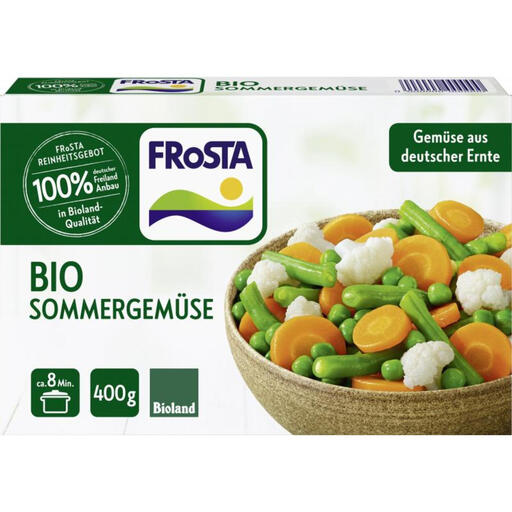
Why this product fits the profile: This mix combines carrots, cauliflower, green beans and peas from organic farming. The 400 g pack is ideal for smaller households and varied sides.
The product details list the specific vegetables and organic origin. Celery is also mentioned as an allergen.
Organic certification; preparation in a pan in around 7–8 minutes.
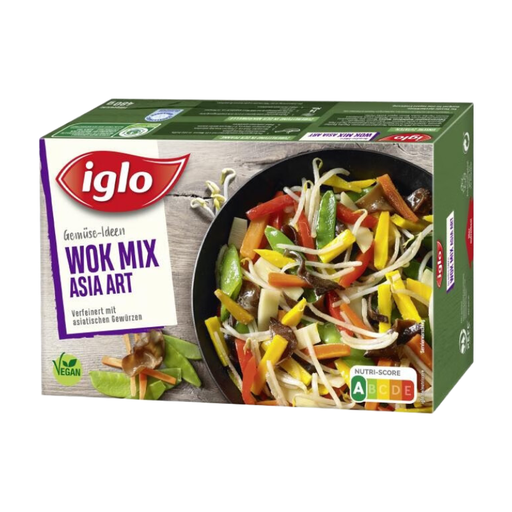
Why this product fits the profile: This mix is designed for quick stir-fries and contains carrots, mung bean sprouts, peppers, bamboo shoots and mangetout, among others.
The ingredients and allergen information mention soya and gluten. This makes it easier to check against your own dietary needs.
480 g content; stir-fry preparation according to the details takes around 3 minutes on high heat and then 6–7 minutes on medium heat.
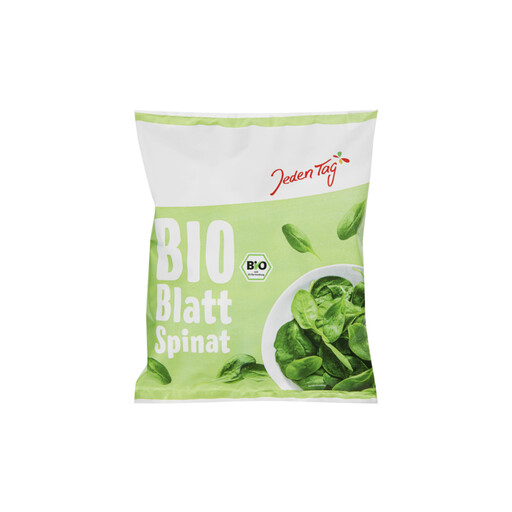
Why this product fits the profile: Portioned organic leaf spinach can be used for pasta, soups, quiche or as a side. The portioned format makes it easy to take out only what you need.
The details state 100 % organic leaf spinach with no declared allergens or added sauce.
750 g content; according to the product details, around 8–10 minutes preparation time.
When buying frozen vegetables online, don’t just compare the pack price. The price per kilogram, the amount you actually need and the ingredients are much more telling. For a family, 1,000 g packs can be economical; for individuals, smaller packs or portioned products are often easier to use up completely.
If you’re looking for vegetarian frozen products, it’s worth distinguishing between plain vegetables, seasoned mixes and ready meals. A vegetable mix can save time, while plain vegetables give you more control over seasonings and accompaniments.
We’ve put together a full, regularly updated list of products that fully meet these strict selection criteria and the safety regulations in force in the EU.
The best-before date is on the pack and applies to the unopened pack stored continuously at at least -18 °C. After opening, the vegetables should stay frozen and be used within a reasonable time. Always follow the manufacturer’s specific instructions.
Many varieties can go straight from frozen into a pan, frying pan or microwave. That saves a step and reduces moisture loss. Always follow the cooking instructions, though, because cooking times and the amount of water needed vary from product to product.
That depends on the variety, the season, the pack size and any offers. When comparing, you should consider the price per kilo, any leftovers and the preparation effort. Frozen vegetables can be especially convenient because you can take out just what you need, whereas fresh produce often doesn’t get used up completely.