
Lieferung heute & morgen

Qualitätsgarantie

Willkommens-Angebote freischalten: KOSTENLOSE Lieferung | Bis zu 80 % RABATT | Kostenlose 30-Tage-JoyPlus-Testphase
App herunterladen
Glass noodles are a staple in many Asian cuisines, but the selection in supermarkets or online shops can be overwhelming. Whether for a light glass noodle salad, a warming soup, or the Korean stir-fry dish Japchae, not every noodle is suitable for every dish. The differences are in the details: the starch used, the thickness, and the texture.
As your Joybuy Product Recommendation Officer, I have analysed the most common varieties to offer you clear guidance. This guide will help you understand the specific characteristics of different glass noodles and find the right type for your culinary needs.
The right choice depends primarily on two factors: the starch source and the intended cooking method. Here are some practical tips to help you decide.
Glass noodles get their characteristic transparent appearance and texture from the starch used. Each type of starch has unique cooking properties.
Many consumers turn to glass noodles as a gluten-free pasta alternative. In fact, many varieties are naturally free from gluten.
Based on the criteria mentioned, we have compiled a selection of different glass noodle types suitable for various culinary purposes.
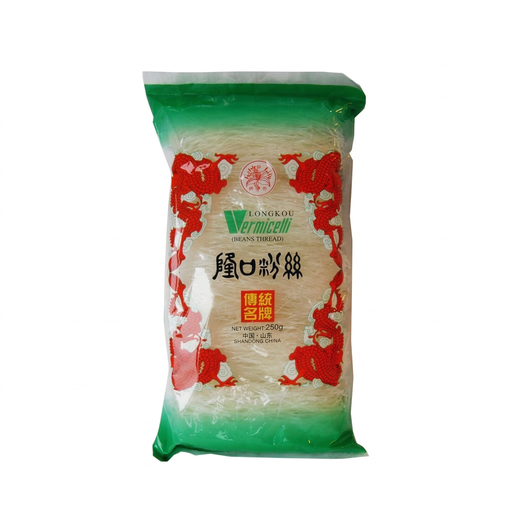
Why They Stand Out: These noodles represent the classic Longkou Vermicelli. Made from a blend of pea and mung bean starch, they offer a fine, springy texture renowned for its high quality. Their ability to absorb flavours without becoming mushy makes them extremely versatile.
Pros:
Who They're For: For cooks seeking authentic Asian noodles for classic Chinese dishes like cold appetisers, hot pot, or glass noodles for soup.
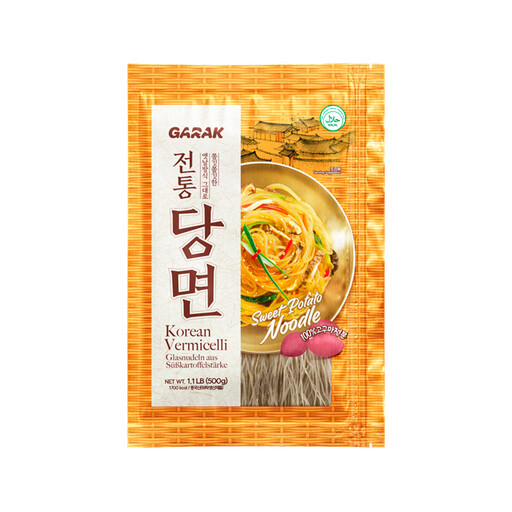
Why They Stand Out: These noodles are made from 100% sweet potato starch. The result is the characteristically thick and chewy-elastic Korean glass noodles (Dangmyeon), which retain their shape and bite even in stir-fried dishes.
Pros:
Who They're For: A must-have for fans of Korean cuisine who want to prepare authentic Japchae. Also an excellent choice for anyone looking for a durable, gluten-free noodle alternative for stews and stir-fries.
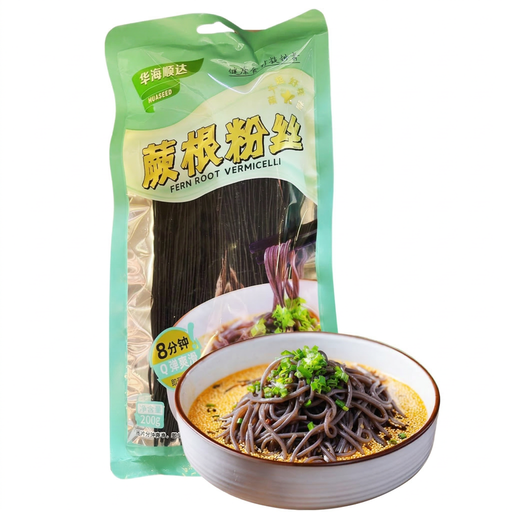
Why They Stand Out: The fern root noodles from HUASEED stand out with their dark colour and smooth, firm consistency. They are made from fern root starch and offer a different mouthfeel compared to traditional glass noodles.
Pros:
Who They're For: For adventurous cooks looking for a noodle with a distinctive texture and appearance for Sichuan dishes or creative salads. Note: According to the ingredient list, this product contains wheat starch and is therefore not gluten-free.
This selection covers some of the most popular and versatile glass noodle types. However, the world of Asian noodles is far more vast. Each variety offers a unique culinary experience.
If you want to discover more varieties or are looking for specific noodles for your recipe, you can find additional options in our broader product category.
? Explore our full range of Asian Noodles
It depends on the ingredients. Glass noodles made exclusively from the starch of mung beans, peas, sweet potatoes, or tapioca are naturally gluten-free noodles. However, some products contain wheat starch as an additive. It is therefore essential to check the ingredient list before buying if you need to avoid gluten.
Preparation varies depending on the thickness and type of starch. Thin Longkou Vermicelli often only need to be soaked in warm water for 10–15 minutes. Thicker sweet potato glass noodles typically require a cooking time of 6–8 minutes in boiling water. Rinsing them with cold water afterwards prevents sticking and ensures a pleasant, firm texture. Always follow the instructions on the package.
The fundamental difference lies in the raw material. Glass noodles are made from various types of starch (e.g., mung bean, sweet potato) and become transparent when cooked. Rice noodles are made from rice flour, remain white and opaque after cooking, and have a softer, less elastic texture.