
Lieferung heute & morgen

Qualitätsgarantie

Willkommens-Angebote freischalten: KOSTENLOSE Lieferung | Bis zu 80 % RABATT | Kostenlose 30-Tage-JoyPlus-Testphase
App herunterladen
By Joybuy Product Recommendation OfficerDate: July 28, 2026
The term "glass noodles" is often used as an umbrella term for a wide variety of translucent Asian noodles. However, this oversimplification frequently leads to purchase mistakes. Anyone who has ever prepared a stir-fry with mushy noodles or a soup with an undesirably tough ingredient knows the problem. Selecting the right type of noodle is crucial for the success of a dish.
Many consumers fall into common traps that not only compromise the culinary result but also lead to unnecessary expenses. The most frequent problems include:
This guide will help you avoid these pitfalls and specifically find the right noodles for your culinary projects.
To buy the right noodles, two parameters are of central importance: the raw material base and the noodle thickness. These determine texture, cooking properties, and suitability for different dishes.
The ingredient from which the noodles are made is the most important factor. The most common types have very different properties.
The thickness of the noodles affects the cooking time and mouthfeel.
Based on these criteria, we have compiled a selection of products suitable for specific user profiles and their requirements.
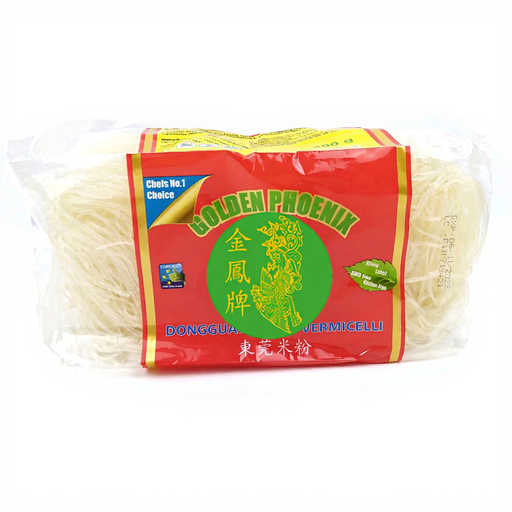
Why This Fits Their Persona: Ideal for home cooks who value authentic ingredients. This rice vermicelli is versatile enough for soups, stir-fries, or summer rolls, providing a reliable foundation for traditional Asian recipes.
The noodles consist only of rice flour and water. Their "firm" texture prevents them from turning mushy, a common problem with lower-quality rice noodles (Texture Inconsistency).
Clean Ingredient List: Just rice flour and water, no additives. Versatility: Suitable for soups, stir-fries, and cold salads.
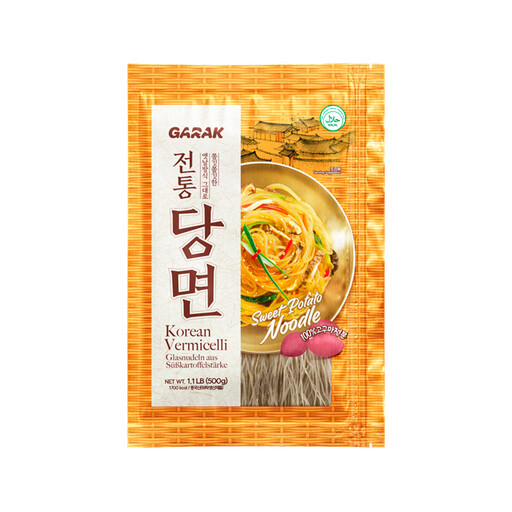
Why This Fits Their Persona: Perfect for health-conscious consumers and individuals with celiac disease. These noodles offer the characteristic chewy texture of glass noodles and are a safe, gluten-free choice for Korean Japchae or other stir-fry dishes.
The product is made from 100% sweet potato starch and is explicitly declared free of allergens. This avoids the trap of hidden ingredients like wheat, which can be found in some blended products.
100% Sweet Potato Starch: Guaranteed gluten-free and authentic for Korean dishes. Chewy Texture: Retains a pleasantly elastic consistency even after cooking.
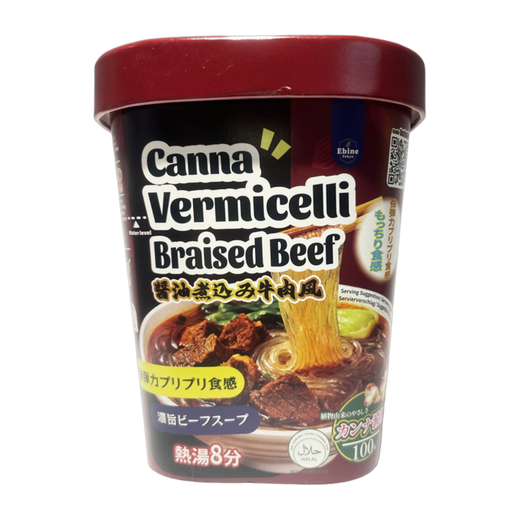
Why This Fits Their Persona: For professionals or students looking for a quick yet flavourful and sophisticated meal. This instant dish offers an interesting alternative to traditional wheat noodles with a complex broth.
The use of canna starch for the noodles provides a silky, firm texture that doesn't turn mushy—a clear differentiator from many simple instant noodles (Texture Inconsistency).
Unique Noodle Texture: 100% canna starch for a silky mouthfeel. Complex Flavour: Includes separate seasoning packets for a rich, braised beef note.
We've compiled a complete, up-to-date list of products that fully meet these strict selection criteria.
The main difference is the raw material. True glass noodles (like mung bean or sweet potato noodles) are made from starch and become translucent and elastic after cooking. Rice noodles are made from rice flour, remain white (opaque) after cooking, and have a softer texture. Both are often searched for under the general term buy Asian noodles, but they are suitable for different dishes.
Not necessarily. Very thin Asian vermicelli, especially those made from mung bean starch or rice, often only need to be soaked in hot (not boiling) water for a few minutes until they are soft. This is a common method for preparing salads or summer rolls. Thicker noodle types, such as sweet potato noodles, require boiling in water. Always follow the preparation instructions on the package.
No, this is a common misconception. While noodles made from 100% rice, mung bean starch, or sweet potato starch are naturally gluten-free, there are many blended products on the market. Some manufacturers add wheat starch to alter the texture or reduce production costs. Therefore, individuals with gluten intolerance should always check the ingredient list carefully.