
Lieferung heute & morgen

Qualitätsgarantie

Willkommens-Angebote freischalten: KOSTENLOSE Lieferung | Bis zu 80 % RABATT | Kostenlose 30-Tage-JoyPlus-Testphase
App herunterladen
Glasses and glass containers serve a variety of purposes: they keep dry foods fresh, are used for serving drinks, or present desserts, aperitifs and small dishes. Design isn't the only thing that matters. Material, capacity, closure and care instructions determine whether a product actually suits your everyday needs.
A 40 cl glass is suitable for different drinks than a small 10 cl glass for espresso or aperitifs. With storage jars, the usable volume can also differ from the advertised total size. So always check:
Glass containers with wooden lids combine transparent storage with a natural look. However, wood, bamboo and acacia usually require different care than the glass container itself. With many products, only the glass is dishwasher-safe, while the lid should be hand-washed and kept dry.
Airtight storage jars need a cleanly fitting lid and an intact silicone or rubber seal. Crumbs on the rim, a damp closure or a lid put on crookedly can all compromise the seal. For dry food storage jars, you should also consider the specific use: not every container is suitable for liquids, hot food, the microwave or the oven.
For daily use, reusable glass containers are a good choice, provided their material and care instructions are clearly stated. Borosilicate glass is used in some storage containers and is explicitly mentioned in the product details. Even so, sudden temperature changes should be avoided, as glass can be damaged by thermal shock.
For drinking glasses, it's important to distinguish between different uses:
For glasses used in the kitchen and catering, stackability, weight, pack quantity and cleaning are also relevant. A compact shape can make storage easier, while a taller glass takes up more space in the cupboard.
Pay attention to the lid material and the care instructions. A silicone seal can help with airtightness, but doesn't replace proper cleaning of the glass rim. Wooden lids should not be soaked for long periods. For products marked as not dishwasher-safe, hand washing is required.
Many drinking glasses are only intended for cold drinks or drinks at room temperature. Hot liquids, boiling water, microwave use or oven use should not be assumed. Check the manufacturer's instructions before use and avoid hard knocks as well as sudden temperature changes. Damaged glasses should not be used.
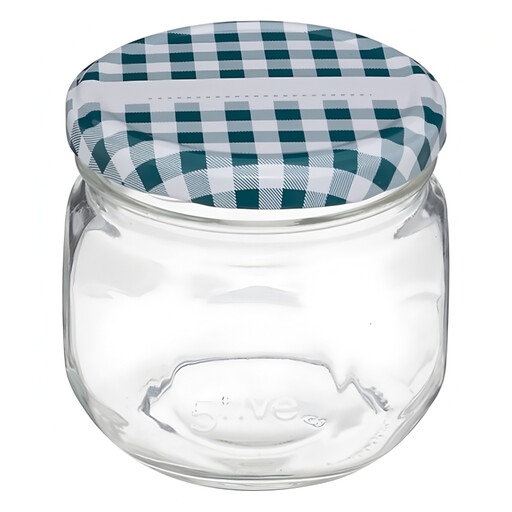
Why this product fits the profile: The set contains six transparent jam jars, each with a 0.3 litre capacity. It's ideal for small portions, homemade spreads, chutneys or household stores.
The quantity and volume per jar are clearly stated. This makes it easier to plan your needs, rather than deciding based on a decorative single pack.
Six jars with transparent glass and compact dimensions of approximately 9.3 cm diameter and 8.5 cm height.
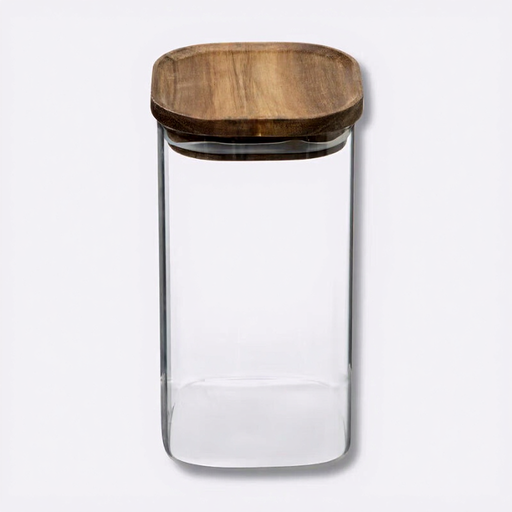
Why this product fits the profile: This square container combines borosilicate glass with an acacia lid and a silicone component. Its design is intended for tidy indoor storage.
The details on material, dimensions and dishwasher suitability make the care requirements clear. The lid is not listed as dishwasher-safe.
Food-contact declaration, square dimensions of 11 x 11 x 22 cm and an acacia lid with silicone seal.
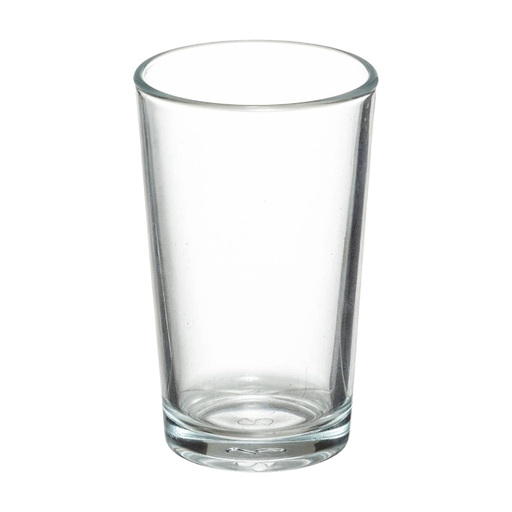
Why this product fits the profile: The 10 cl glass is designed for small portions and can be used for aperitifs, spirits, espresso or side dishes. Its compact shape also suits professional serving situations.
The specific capacity prevents a small serving glass from being mistakenly planned as a versatile drinking glass for large drink portions.
10 cl capacity, dimensions of 8.40 x 5.10 x 5.10 cm and a weight of 0.11 kg according to the product details.
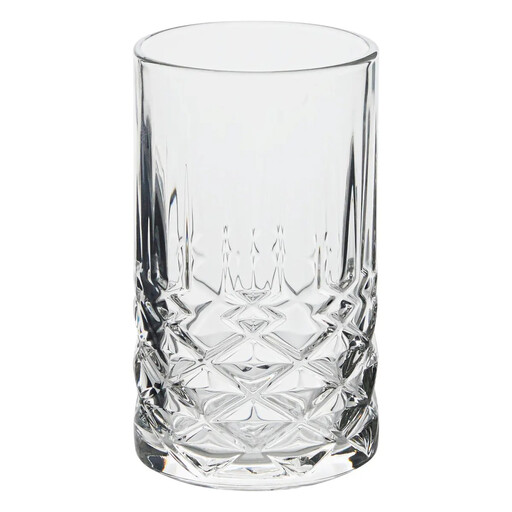
Why this product fits the profile: Four tall glasses, each with 36 cl, are suitable for water, juice, cocktails and soft drinks. The set is designed for everyday household use and for entertaining guests.
The warnings clearly define the scope of use: not for hot liquids, the microwave or extreme temperature changes.
Four glasses with 36 cl capacity, transparent glass and stated dishwasher suitability.
We've put together a complete, regularly updated list of products that fully meet these strict selection criteria and the safety regulations in force in the EU.
That depends on the individual product. With some storage jars, the glass container is dishwasher-safe, but the wooden or bamboo lid is not. Check the care instructions before buying and generally clean natural wood lids with a damp cloth.
For rice, pasta, flour, coffee, tea and spices, glass containers for dry foods with a suitable closure are ideal. A wide opening makes filling easier, while a tightly sealing lid reduces contact with air and moisture. For liquid foods, the container must be explicitly designed for that purpose.
It's impossible to give a fixed lifespan. It depends on the material, frequency of use, cleaning and handling. Regularly check the glass, rim, lid and seal for cracks, chips or warping. If damaged, the container should be replaced for safety reasons.