
Lieferung heute & morgen

Qualitätsgarantie

Willkommens-Angebote freischalten: KOSTENLOSE Lieferung | Bis zu 80 % RABATT | Kostenlose 30-Tage-JoyPlus-Testphase
App herunterladen
If you’re looking to buy glasses online, you’ll quickly find a wide range to choose from: sunglasses, cycling glasses, reading glasses, swimming goggles and modern AR glasses. The challenge is less about finding options and more about choosing the right type. Polarised sunglasses for driving have different requirements from lightweight sports glasses for cycling. With reading glasses and smart glasses, too, the wrong strength, lack of compatibility or a poor fit can lead to a disappointing purchase.
UV400 glasses and polarised sunglasses serve different purposes. UV400 describes the stated level of protection against ultraviolet radiation. Polarised lenses, on the other hand, reduce reflected light, such as glare from wet roads, water or metal. Glasses can offer UV protection without being polarised – and vice versa. Always check the specific UV protection details in the product description.
A low weight makes glasses more comfortable to wear for long periods, but it doesn’t replace a good fit. For cyclists, non-slip arms, adjustable nose pads and adequate coverage are all important. When choosing cycling glasses, also check whether the frame or lenses restrict your field of vision, and whether impact-resistance details are provided.
Figures such as reading glasses 300D or 400D indicate magnification strength for these products. They are not automatically equivalent to a prescription tailored to your eyesight. Ready-made reading glasses are generally not intended for driving or as a substitute for prescription glasses. If you experience headaches, persistent eye strain or a significant difference in the values for each eye, stop using them and seek advice from an optician.
First, decide what you need the glasses for:
Look for clear technical specifications rather than general marketing claims. For sports glasses, details such as ANSI Z87.1 may indicate that they have been tested against this performance standard. This doesn’t automatically mean they’re suitable for every type of workplace use. For sunglasses, check the UV protection details and filter category. For swimming goggles, the anti-fog function, seal and lens material should be clearly described.
Glasses fit differently depending on your face shape. Useful details to look for include frame width, arm length, weight and adjustable features. If you’re buying clip-on sunglasses, check that they’ll fit over your existing prescription glasses. For XR and AR models, compatibility with your smartphone, laptop or games console is particularly important. A USB-C port alone doesn’t guarantee that a device supports the required video output.
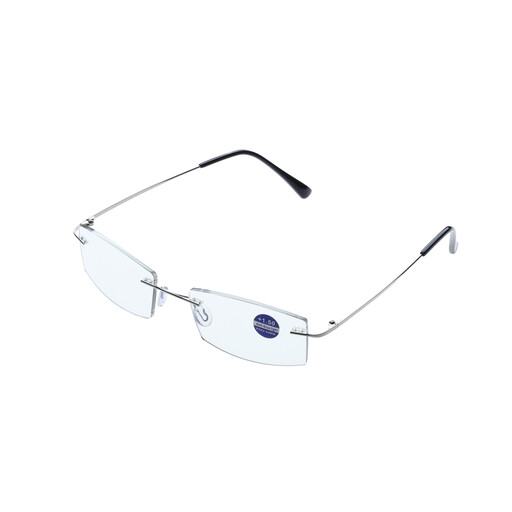
Why this product suits this profile: The rimless design is made for occasional reading at home or in the office, and is easy to store away.
The 300D strength is clearly stated. However, these are still reading glasses and shouldn’t be used as prescription or safety glasses.
Rimless design, 300D strength and suitability for office and household use, according to the product description.
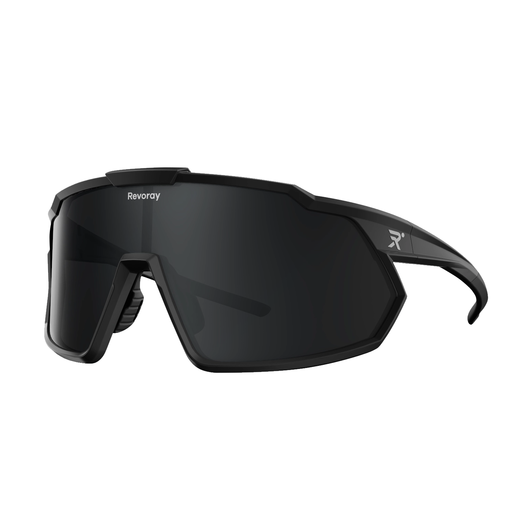
Why this product suits this profile: For regular cycling and outdoor activities, details about weight, lenses and fit are particularly important.
The product details specify a weight of around 33 g, adjustable nose pads, TAC polarisation, UV400 and ANSI Z87.1.
TR90 frame, water- and oil-repellent coating, and stated light transmittance of around 15.2 per cent.
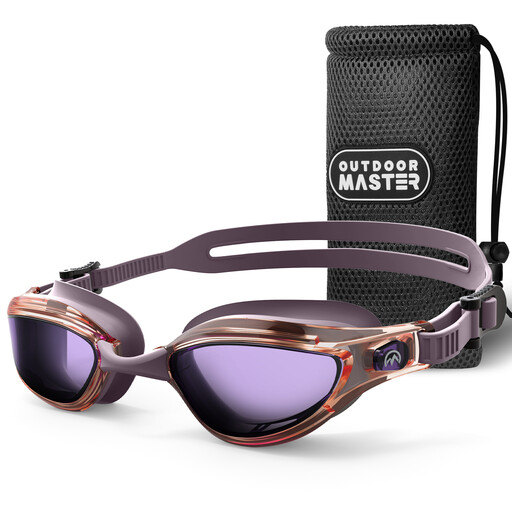
Why this product suits this profile: These swimming goggles are aimed at adults looking for an adjustable fit and clear product details for regular swim sessions.
The silicone seal, anti-fog coating, UV400 rating and adjustable split head strap are all listed specifically.
Polycarbonate lenses, a soft silicone cushion and a storage pouch included, according to the product description.
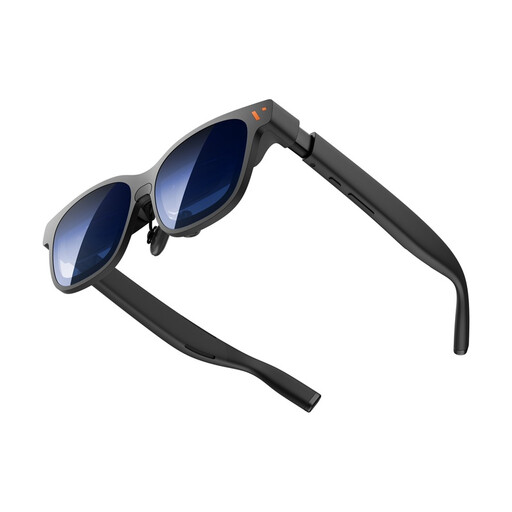
Why this product suits this profile: A good option for anyone looking for a personal display for gaming, streaming, work or travel.
The product description lists compatible USB-C devices, dioptre adjustment from 0 to -5.0D and the accessories required for certain devices.
Sony Micro-OLED, 120 Hz, integrated focus adjustment and a stated weight of 63 g.
We’ve put together a complete, regularly updated list of products that meet these strict selection criteria and fully comply with the safety regulations in force in the EU.
Reading glasses may be suitable for short or extended periods of close-up work, provided the strength and viewing distance are right. For changing distances, a half-frame or full-frame design may be more practical, depending on your needs. Reading glasses rated 300D or 400D shouldn’t automatically be treated as screen glasses or prescription glasses. If you experience discomfort, it’s worth getting your eyesight checked individually.
Key features include UV protection, adequate coverage, non-slip contact points, low weight and as wide a field of vision as possible. Polarised cycling glasses can reduce reflections, but they aren’t equally suitable for every lighting or riding situation. Also check the impact-resistance and cleaning information.
No. Compatibility depends on factors including the operating system, USB-C video output, required apps and accessories. Before buying, check the manufacturer’s information against the exact model of your smartphone or laptop. And when using immersive features, don’t use them while driving, cycling or crossing roads.