
Lieferung heute & morgen

Qualitätsgarantie

Willkommens-Angebote freischalten: KOSTENLOSE Lieferung | Bis zu 80 % RABATT | Kostenlose 30-Tage-JoyPlus-Testphase
App herunterladen
Whether for everyday use, a beautifully set table or your next celebration, there is a wide choice of glasses available. Alongside classic drinking glasses, you will find wine glasses, champagne flutes, whisky glasses, coffee glasses and double-walled glasses in a wide range of shapes and sizes. However, not every design is suitable for every drink or household.
As a Joybuy Product Recommendation Officer, I filter product information according to practical criteria and match it to the intended use. This helps you avoid common unsuitable purchases without relying solely on product images or marketing claims.
A glass with a capacity of 41 cl should not be filled to the brim. Wine glasses are deliberately left with some space so that aromas can develop and the wine can be swirled. For everyday use, an oversized glass can also take up more room in your cupboard and dishwasher.
So, pay attention to the capacity stated in millilitres or centilitres and consider whether you need a single glass or a glass set. For water and juice, 250 to 350 ml is often practical, while espresso or liqueur glasses are considerably smaller.
Transparent glasses can be made from soda-lime glass, crystal glass, borosilicate glass or plastic. These materials differ in weight, temperature resistance, care requirements and breakage behaviour. A clear appearance alone is therefore not enough to base your choice on.
This is particularly important: not every glass is suitable for hot drinks, microwave use or sudden changes in temperature. Soda-lime glass, for example, should not come into contact with boiling water. With double-walled glasses, you must also follow the manufacturer’s instructions for use.
Dishwasher-safe glasses make cleaning easier, but harsh detergents, high temperatures and frequent washing can cause the surface to become cloudy over time. Decorative finishes, such as metallic elements, often require hand washing.
Before buying, therefore, check not only whether the glass is described as ‘dishwasher-safe’, but also the guidance on the recommended temperature, its position in the dishwasher and any possible restrictions.
The shape should suit both the drink and the way you plan to use it. Wine glasses with a larger bowl provide room for swirling. Champagne flutes are usually taller and narrower, allowing the drink to be served in a more controlled way. Whisky glasses need a stable base and an opening that supports both drinking and nosing.
For coffee, coffee glasses with a handle or double-wall construction are practical. Espresso glasses usually hold only a few centilitres. An 8-cl espresso glass is designed for espresso or ristretto, while 350-ml glasses are better suited to lattes, cappuccinos, tea or larger cold drinks.
Individual glasses are ideal if you want to add to an existing collection or try a particular shape before buying more. A glass set makes sense when several people need matching tableware. Sets containing six or more pieces are practical for hosts, while a 2-piece set may be enough for couples or smaller households.
Also pay attention to the dimensions. Tall wine glasses do not fit in every dishwasher compartment and require more cupboard space than short tumblers.
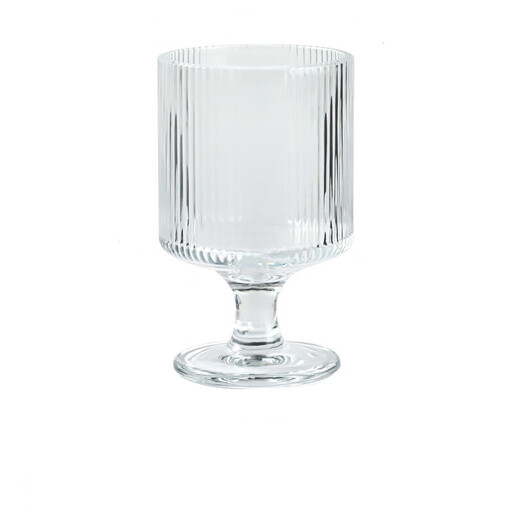
Why this product suits this profile: With 250 ml per wine glass, this 2-piece set is suitable for smaller households, couples or anyone starting to build a matching glass collection.
The clearly stated capacity makes it easier to choose the right size instead of opting for oversized bowls that often take up unnecessary storage space in everyday use.
Two matching glasses; ribbed design; 250 ml capacity per glass.
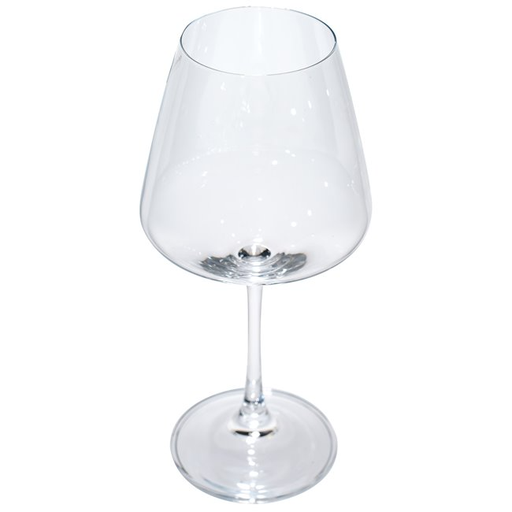
Why this product suits this profile: This individual crystal glass is aimed at buyers looking for a transparent, clearly defined bowl for red and white wine.
The information on the material, capacity and care requirements is specific. It also states that the glass is dishwasher-safe, while highlighting that harsh cleaning products may cause clouding.
36 cl capacity; 20.6 cm height; transparent crystal glass; dishwasher-safe according to the product information.
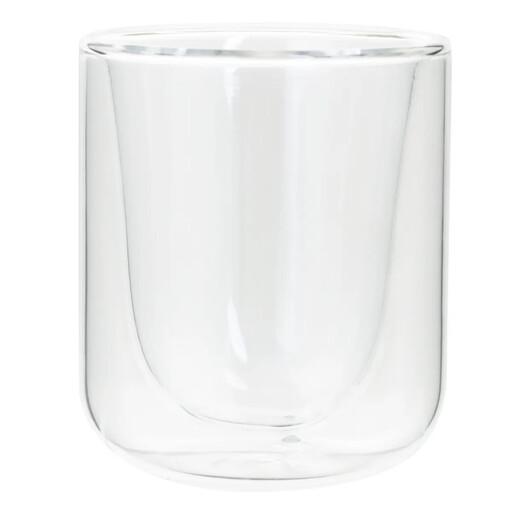
Why this product suits this profile: With an 8 cl capacity, this double-walled espresso glass is designed for small coffee specialities and is suitable for households that regularly serve espresso or ristretto.
Its clearly defined purpose prevents a small espresso glass from being confused with a large latte or coffee glass. The instructions specify that it is not suitable for use in the oven.
8 cl capacity; double-walled borosilicate glass; dishwasher- and microwave-safe according to the product information.
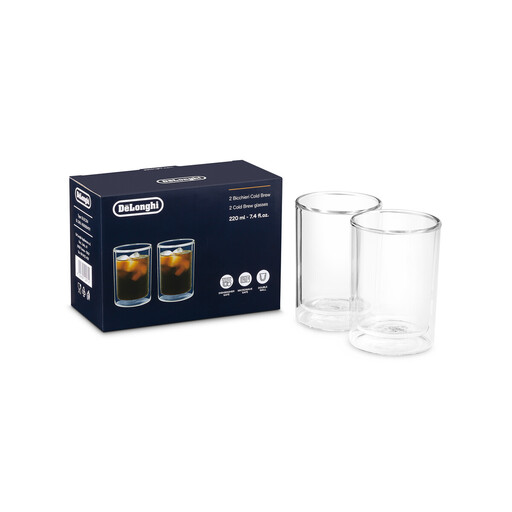
Why this product suits this profile: With a capacity of up to 220 ml each, this 2-piece set is designed for cold brew and other iced coffee drinks, making it ideal for serving matching drinks to guests.
The clearly specified use for cold drinks prevents unsuitable use with hot liquids. The set size is stated directly, making it easier to plan for two people.
Two glasses; up to 220 ml per glass; designed for cold coffee drinks; dishwasher-safe according to the product information.
We have put together a complete, regularly updated list of products that fully meet these strict selection criteria and the safety regulations applicable in the EU.
For many households, a basic selection of drinking glasses for water and juice, two to six wine glasses and suitable coffee glasses is enough to start with. If you regularly have guests, you can also choose champagne flutes and whisky glasses. The number you need depends on the size of your household, available storage space and the drinks you usually serve.
That depends on the material and the product’s approved use. Double-walled borosilicate glasses are often offered for coffee or espresso. Before buying, check the information specifically relating to hot drinks, microwave use and dishwasher use. Even temperature-resistant glass should not be exposed to sudden, extreme changes in temperature.
A gentle wash cycle, mild cleaning products and avoiding limescale deposits are key. Dry glasses thoroughly after washing and remove water marks with a soft cloth. Metallic decorations and coated areas should generally be cleaned by hand in accordance with the manufacturer’s instructions.