
Lieferung heute & morgen

Qualitätsgarantie

Willkommens-Angebote freischalten: KOSTENLOSE Lieferung | Bis zu 80 % RABATT | Kostenlose 30-Tage-JoyPlus-Testphase
App herunterladen
Shopping for gluten-free food can be a challenge. Whether for health reasons like coeliac disease or gluten sensitivity, or as a conscious dietary choice, finding suitable products requires attention to detail. Many consumers wonder which labels they can trust and how to find products that are not only safe but also taste great. This guide will help you avoid common pitfalls and make informed choices.
When buying gluten-free products, there are a few traps that can lead to disappointment or unnecessary expense. Knowing them helps you shop with more confidence and awareness.
To avoid the pitfalls mentioned above, you should check two or three key aspects before buying. These will help you objectively assess a product's quality and suitability.
The ingredient list is your most important tool. Don't just look for obviously gluten-containing grains like wheat, rye, barley, and spelt. Gluten can also be hidden behind terms like malt extract, wheat starch (unless declared "gluten-free"), or non-specific "flavourings". The statement "May contain traces of gluten" is also relevant. It means that cross-contamination could have occurred during production. Caution is advised for people with coeliac disease, while those with a mild sensitivity may be able to tolerate it.
The most reliable indicator of tested safety is the crossed-grain symbol. This internationally recognised seal is licensed by coeliac societies and guarantees that a product has undergone strict controls and has a gluten content below 20 ppm (parts per million). Brands like Sch?r or Alnatura carry many products with this seal, offering a high level of safety for people with food intolerances associated with coeliac disease.
A good gluten-free product should do more than just be free from gluten. Check the nutritional information: Is the product high in fibre? What are the sugar and salt levels? Versatile staples, such as special flour mixes for gluten-free baking or nutritious gluten-free snacks made from lentils or rice, are often a better choice than highly processed ready-made products.
The range of gluten-free foods is vast. To make your decision easier, we have put together a selection of products for different profiles.

Why This Fits Their Persona: Ideal for anyone looking for a straightforward and budget-friendly foundation for their gluten-free diet. These corn cakes are a versatile alternative to bread and can be topped with sweet or savoury ingredients.
The ingredient list is maximally transparent with just one ingredient (organic corn), eliminating any hidden gluten. The product is naturally gluten-free and contains no unnecessary additives.
Made from 100% puffed organic corn. Vegan, gluten-free, and lactose-free. Low in sugar and salt.
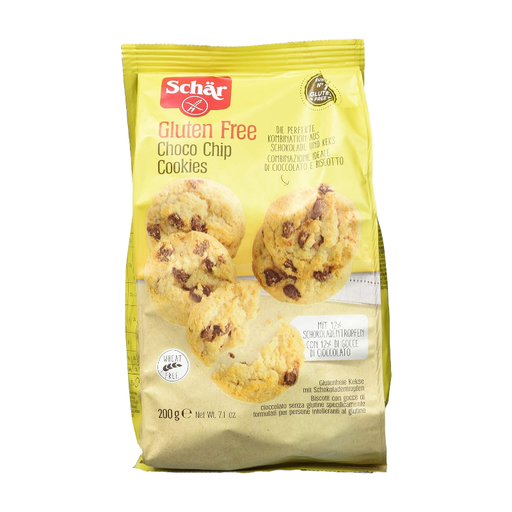
Why This Fits Their Persona: For those who don't want to compromise on snacks. These cookies deliver the classic taste of chocolate chip cookies without sacrificing a safe, gluten-free recipe.
Sch?r specialises in gluten-free products and has optimised the recipe to avoid the typically dry texture of many gluten-free cookies. The result is an authentic cookie experience.
Certified gluten-free (crossed-grain symbol). Contains 12% chocolate chips for a rich flavour. A convenient, ready-to-eat snack.
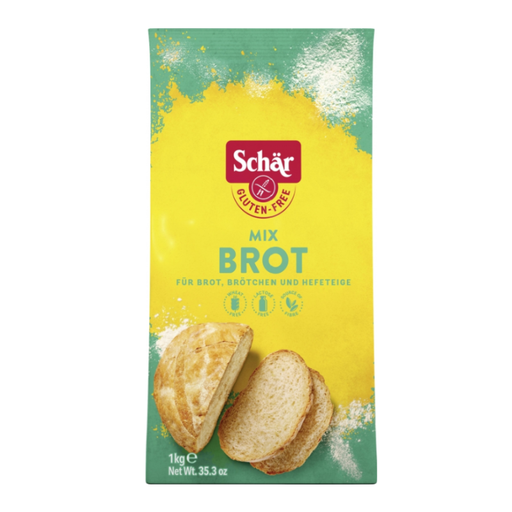
Why This Fits Their Persona: Perfect for anyone who loves to bake and wants full control over the ingredients and the final result. This flour mix provides a reliable base for homemade gluten-free bread, rolls, or pizza.
The mix was specially developed to solve the typical problems of gluten-free baking. It ensures good elasticity and a light dough, preventing dense and heavy baked goods.
High in fibre thanks to lentil and whole-grain rice flour. Versatile for use in yeast doughs. Free from gluten, wheat, and lactose.
We've compiled a complete, up-to-date list of products that fully meet these strict selection criteria.
1. What does "May contain traces of gluten" mean? This statement, also known as precautionary allergen labelling, is a voluntary declaration by the manufacturer. It means that despite the product being gluten-free by recipe, tiny amounts of gluten may have unintentionally entered the product during the manufacturing process. This can be relevant for highly sensitive individuals with coeliac disease. The decision to consume such products should be made on an individual basis, and if necessary, after consulting a doctor.
2. Are oats always gluten-free? No. Oats are naturally gluten-free but are very often contaminated with gluten-containing grains like wheat during cultivation and processing. Therefore, people who must follow a strict gluten-free diet should only use products that are explicitly labelled as "gluten-free oats" and ideally carry the crossed-grain symbol.
3. What's the best way to store gluten-free bread to keep it fresh? Gluten-free bread tends to dry out more quickly than conventional bread. It is best stored at room temperature in a bread bin or a sealed bag. For longer shelf life, you can also slice and freeze it. The slices can easily be thawed in a toaster when needed, which often makes them nice and crisp again.