
Lieferung heute & morgen

Qualitätsgarantie

Willkommens-Angebote freischalten: KOSTENLOSE Lieferung | Bis zu 80 % RABATT | Kostenlose 30-Tage-JoyPlus-Testphase
App herunterladen
Green olives are a staple of Mediterranean cuisine, elevating everything from salads and antipasti to simple snacks. But when it comes to buying olives, the sheer variety on the shelf can be overwhelming. Vague labels and exaggerated marketing claims often lead to a purchase that disappoints in flavour. This guide will help you identify key quality markers and make an informed choice.
Before choosing a product, it's helpful to understand the common issues that can compromise quality.
To separate the best from the rest, focus on a few objective criteria. These will help you better assess the quality of brined olives.
The variety and growing region significantly shape the flavour.
The choice between pitted and unpitted olives is more than just a matter of convenience.
For stuffed varieties like garlic-stuffed green olives or lemon-stuffed green olives, the quality of the stuffing and brine is crucial. A good brine consists of a few, simple ingredients: water, salt, perhaps some vinegar or oil, and natural acidity regulators like citric or lactic acid. The stuffing should be made from real pieces (e.g., pimento paste, almond, or garlic cloves), not just artificial flavourings.
Here are a few recommendations tailored to different needs and taste preferences.
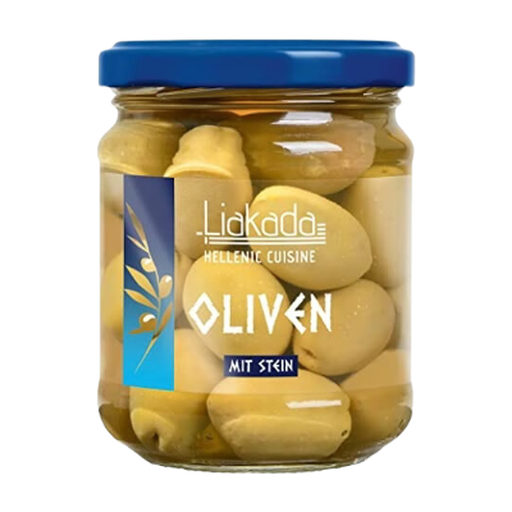
Why This Fits Their Persona: Ideal for purists seeking the unadulterated, full flavour of olives. These olives come from the Chalkidiki region and are brined with their pits, which preserves their aroma and firm texture. Perfect for a traditional Greek meze.
The origin is clearly declared (Chalkidiki, Greece), and the ingredient list is minimalist and transparent, containing only olives, water, wine vinegar, and sea salt. The pit preserves the natural, firm consistency.
Intense Flavour: The pit ensures a full, fruity aroma. Firm Texture: A crisp bite, ideal for enjoying them whole.
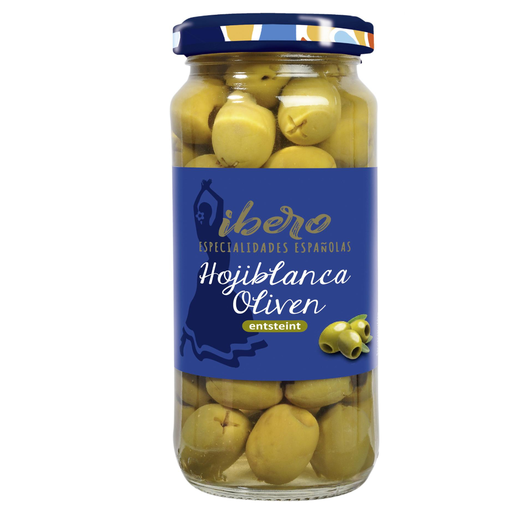
Why This Fits Their Persona: Perfect for those who value convenience. These Spanish pitted green olives are ready to use in salads, pasta dishes, or a quick antipasti platter. The Hojiblanca variety offers a well-balanced flavour.
The olive variety (Hojiblanca) is clearly named, ensuring transparency. The brine is simple, and the mechanical pitting makes them a convenient yet solid quality choice without hidden flaws.
Ready to Use: Pitted, making them ideal for quick cooking. Versatile: Complements a wide range of dishes, from tapas to main courses.
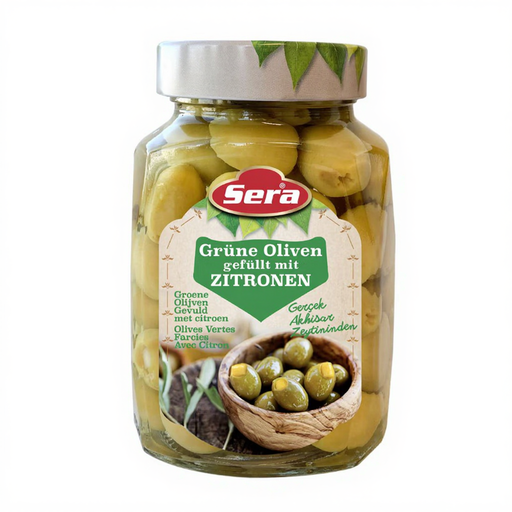
Why This Fits Their Persona: For those who love variety. These Turkish olives are marinated with real lemon pieces, offering a fresh, zesty flavour experience. The large jar is ideal for entertaining or regular consumption.
Instead of artificial 'lemon flavouring', the manufacturer states that 6% real lemon is used. This provides an authentic, non-chemical taste and avoids the artificial flavouring trap.
Refreshing Aroma: The combination of olive and lemon is invigorating. Large Format: The 720g jar offers great value for money.
We have compiled a complete, up-to-date list of products that meet these strict selection criteria.
1. How should you store opened jars of olives? After opening, olives should be stored in the refrigerator. It is important to keep them fully submerged in their original brine to prevent them from drying out and losing flavour. Typically, they will last for several weeks once opened and refrigerated. Always refer to the manufacturer's instructions on the packaging.
2. What is the difference between green and black olives? The main difference is their ripeness. Green olives are harvested unripe, while black olives are left to ripen on the tree. Green olives are generally firmer in texture and have a more bitter, robust flavour. Ripe black olives are softer and milder. Be aware: Some olives sold as 'black' are actually green olives that have been artificially coloured with ferrous gluconate (E 579). A quick look at the ingredients list will clarify this.
3. Are pitted green olives less flavourful? Olives with pits tend to have a more intense and complex aroma, as the pit protects the flesh from oxidation and imparts flavour. Pitted olives can lose some of this intensity but are more convenient for many preparations. With high-quality products that are processed gently, the difference in taste for everyday use is often minimal.