
Same-day & Next-day Delivery

Quality Guaranteed

Unlock Your Welcome Offers: FREE Delivery | Up to 80% OFF | Free 30-day JoyPlus trial
Download the APP
Buying groceries online can make the weekly shop easier, particularly for families, working households and anyone who regularly needs to stock up. At the same time, pack sizes, storage requirements, ingredient lists and best-before dates can vary considerably. If you focus only on the brand name, product image or an apparently low unit price, you can easily end up ordering more or less than you actually need.
This guide explains what to look out for when ordering groceries online and which products suit different shopping profiles.
A large pack often appears to offer better value. However, the important figure is the price per 100 g, 100 ml or litre. A bulk pack of groceries is worthwhile particularly when the contents are used regularly and you have enough storage space. With milk, cereals and snacks, you should also check whether the pack size suits your household’s consumption.
Long-life groceries such as UHT milk, bulgur, tinned goods and dried products can be stored at room temperature while unopened. Once opened, however, different rules apply. Depending on the product, condensed milk must be refrigerated and used within a few days. Coconut milk should also be kept in the fridge after opening. Frozen products such as taiyaki, on the other hand, need to be stored at around −18 °C.
Descriptions such as “with wholegrain”, “creamy” or “without artificial colourings” reveal little about the overall nutritional value on their own. Check the ingredients, allergens and nutritional information. Sugar levels can vary considerably between breakfast cereals. For people with allergies, information about gluten, milk, soya, nuts, sesame or sulphites is particularly important.
For a small household, 340 g of condensed milk or 400 ml of coconut milk may be more practical than a one-litre container. Families and frequent users are more likely to benefit from larger packs, such as a 12-pack of one-litre cartons of milk. Work out in advance:
With milk and dairy products, check the milk fat content, ingredients and allergens. The Minus-L version is sold as organic lactose-free UHT milk with 1.5% fat and contains milk and lactase. This is a product characteristic stated in the product information, not medical advice.
If you want to buy organic bulgur, pay attention to the specific labelling and ingredients list. Alnatura Organic Bulgur lists durum wheat from organic farming as its only ingredient; the product contains gluten and may contain traces of soya, mustard and lupin.
When buying breakfast cereals, many households choose products based on taste and pack size. Comparing sugar, fibre and salt values provides a more objective basis for your decision:
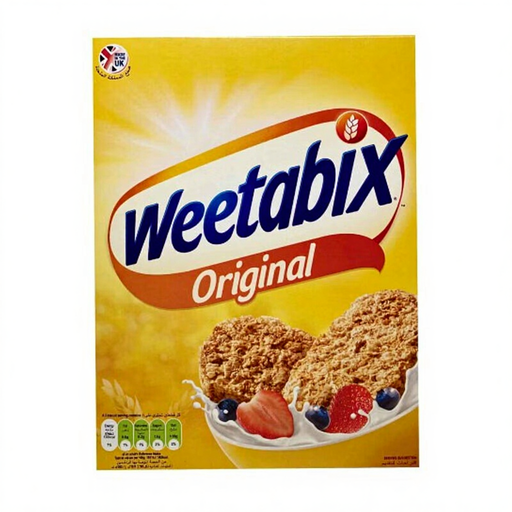
Why this product suits this profile: The 430-g pack is suitable for households looking for a dry breakfast product with a clear ingredients list and a moderate pack size.
The nutritional information and wholegrain content make it easier to compare with heavily sweetened cereals.
The product description states 100% wholegrain, with 10 g of fibre per 100 g and 430 g of product.
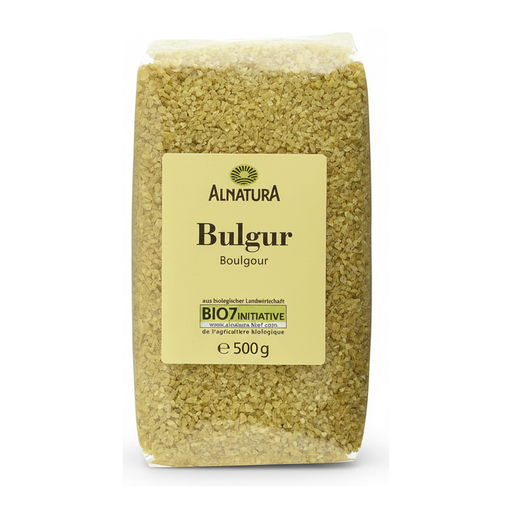
Why this product suits this profile: Suitable for shoppers who prefer a concise ingredients list and a versatile base for salads, soups and side dishes.
The ingredients list names only durum-wheat bulgur; allergens and possible traces are shown separately.
Organic certification, 500 g of product and a preparation time of around ten minutes according to the product information.
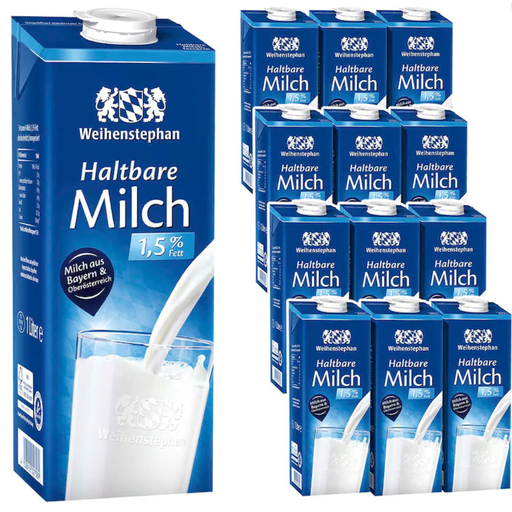
Why this product suits this profile: The 12-pack is designed for families, frequent users and households that keep milk on hand for coffee, cereals, cooking and baking.
The total quantity of 12 litres is clearly stated, preventing a multipack from being mistaken for a single pack.
UHT milk with 1.5% fat, suitable for storage unopened at a cool room temperature and portioned into 1-litre cartons.
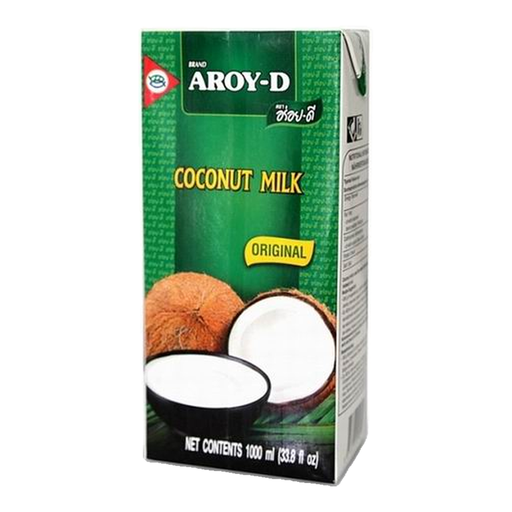
Why this product suits this profile: One litre is suitable for households that regularly prepare curries, soups, desserts, smoothies or sauces.
Choose this pack size only if you can use the contents within two days of opening.
1-litre carton, coconut extract as the base and clear instructions for refrigeration after opening.
We have put together a complete, regularly updated list of products that fully meet these strict selection criteria and the safety regulations applicable in the EU.
Dry, unopened products with predictable storage requirements are suitable, such as bulgur, breakfast cereals, condensed milk, sauces and snacks. Check the best-before date, pack size and storage conditions. Frozen products require an uninterrupted cold chain and should only be ordered if delivery and storage can be guaranteed.
This depends on the individual product. Nestlé Carnation Condensed Milk should be refrigerated after opening and used within three days. Aroy-D coconut milk is stated to be suitable for use within two days. For sauces, milk and other groceries, always follow the specific instructions on the packaging.
A bulk pack of groceries can reduce the effort involved in shopping and improve the price per unit. However, it is only worthwhile if your consumption, storage space and the product’s shelf life are compatible. Before ordering, compare the unit price and work out how quickly your household will actually use the quantity.