
Lieferung heute & morgen

Qualitätsgarantie

Willkommens-Angebote freischalten: KOSTENLOSE Lieferung | Bis zu 80 % RABATT | Kostenlose 30-Tage-JoyPlus-Testphase
App herunterladen
A backpack is more than just a container; it's a daily companion for your commute, an essential tool on the trail, and a trusted partner on your travels. But the market is flooded with models whose marketing promises often create more confusion than clarity. Many buyers quickly discover that their new backpack is uncomfortable, impractical, or simply unsuitable for its intended purpose. This guide will help you navigate the common pitfalls and make an informed decision.
Before we dive into the key features, let's look at three common problems that can lead to a poor purchasing decision:
To avoid a bad purchase, you should check three core technical parameters. These are crucial in determining the functionality and comfort of your future backpack.
The material defines the backpack's durability and protection against the elements.
Volume is measured in litres and should match the intended use.
Look for functional organisation: a padded laptop compartment, side mesh pockets for water bottles, and a quick-access front pocket for keys and your smartphone are crucial details for daily use.
The harness system is critical for comfort, especially when carrying the pack for long periods or with heavier loads.
Here are a few models tailored to specific use cases that meet the criteria mentioned above.
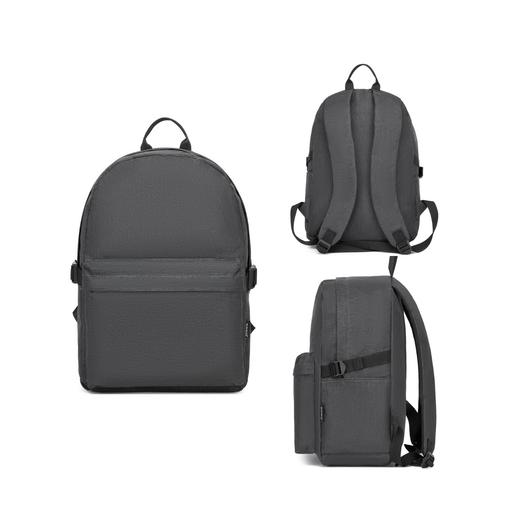
Why it's a good fit: Ideal for the daily commute to university or the office. Its minimalist design and functional layout are tailored to the needs of commuters who value organisation and low weight.
The model features a well-designed compartment system with a dedicated laptop sleeve, avoiding the "illusion of volume." The material is clearly stated as water-resistant polyester, creating a clear distinction from "waterproof."
Separate compartment for laptops up to 15.4 inches; ergonomic, adjustable shoulder straps for better comfort in daily use.
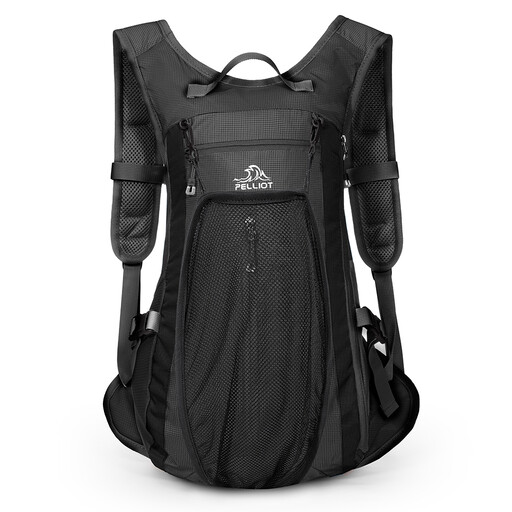
Why it's a good fit: Designed for high-intensity activities like trail running or cycling. The focus is on a stable, body-hugging fit, low weight, and quick access to gear without restricting movement.
This model directly addresses the neglect of ergonomics. According to the manufacturer, the S.L.F. (Stable, Lightweight, Fast-access) harness system ensures a bounce-free fit and even load distribution, which is crucial during fast movements.
Ergonomic, pressure-reducing harness system; abrasion-resistant grid polyester fabric for use in demanding terrain.
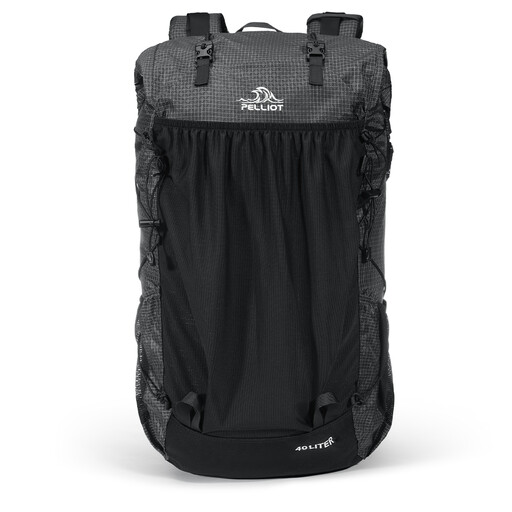
Why it's a good fit: With 40 litres of volume and an advanced harness system, this trekking backpack is designed for 2- to 3-day hikes or camping trips where more gear and weight need to be carried.
The main focus is on the harness system to avoid the pitfall of poor ergonomics. According to the manufacturer, the integrated alloy frame with scientific load distribution transfers weight to the hips, relieving the shoulders under heavy loads.
Integrated harness system with an alloy frame for heavy loads; dynamic adjustment of the shoulder straps to your walking motion.
We have compiled a complete, up-to-date list of products that fully meet these strict selection criteria and safety standards.
1. How do I clean and care for my backpack properly? Most manufacturers recommend not machine washing your backpack, as this can damage coatings and padding. The general recommendation is to wipe it down with a damp cloth or, for heavier soiling, clean it by hand with mild soap. Afterwards, let the backpack air dry and avoid direct sunlight or heaters. Always follow the manufacturer's specific care instructions.
2. What does the volume in litres mean for a backpack? The volume in litres indicates the total capacity of all the backpack's enclosed compartments. It serves as a rough guide to its size. For reference: a school backpack or a pack for daily use is often 15-25 litres, a hiking backpack for a day trip is 20-35 litres, and a trekking backpack for multi-day tours starts at around 40 litres.
3. Is a more expensive backpack always the better choice? Not necessarily. The price often reflects the degree of specialisation. For example, an expensive cycling backpack might have a highly developed ventilation system and a helmet holder, features that are unnecessary for an urban commuter. The right choice depends on your individual needs. For many users, a functional and well-made daypack in the mid-price range is the more suitable and economical solution.