
Lieferung heute & morgen

Qualitätsgarantie

Willkommens-Angebote freischalten: KOSTENLOSE Lieferung | Bis zu 80 % RABATT | Kostenlose 30-Tage-JoyPlus-Testphase
App herunterladen
Good vision is crucial when cycling—not just for performance, but for safety as well. Blinding sunlight, kicked-up dust, insects, or wind can significantly impact your riding experience. A pair of functional cycling glasses protects your eyes and enhances your vision in various weather and light conditions.
This guide is designed to help you understand the features and technologies of modern sports eyewear. We will introduce objective criteria to simplify your choice and present a selection of models that stand out for their specific attributes.
The range of models is vast. To make an informed decision, three key factors should be considered: lens technology, material, and fit.
The lenses are the heart of any pair of sports sunglasses. Two technologies are particularly relevant here:
High-quality cycling glasses need to do more than just look good. Pay attention to the following features:
Glasses that slip or pinch are a distraction and diminish the enjoyment of your sport. A good fit is therefore crucial. Adjustable nose pads and rubberised temple tips ensure a secure, customised fit, even during intense movement and perspiration. A wide field of view without obstructive frame edges improves peripheral vision.
Based on the criteria mentioned, we have compiled a selection of models that stand out for their functionality and thoughtful design.

Why It Stands Out: This model combines polarized HD lenses with an extremely lightweight TR90 frame and a ventilated design. At just 25.5 grams, it's barely noticeable yet offers comprehensive protection.
Advantages:
Who Is It For?: For cyclists and other outdoor athletes looking for very lightweight and comfortable glasses with effective glare protection for sunny days.
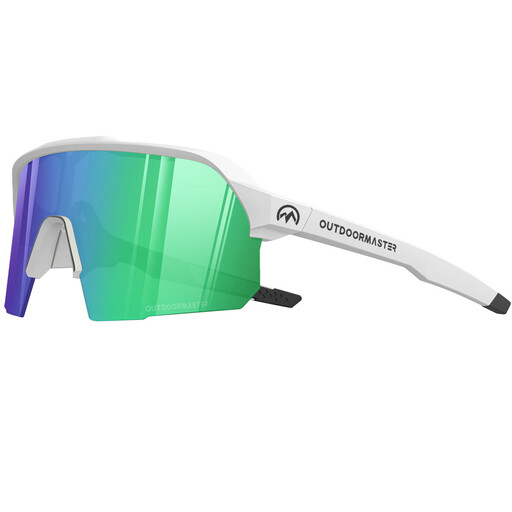
Why It Stands Out: The Hawk HD stands out with its colour-enhancing bronze lenses and the included clear interchangeable lenses. This makes it a versatile option for different light conditions.
Advantages:
Who Is It For?: For athletes who value enhanced colour perception and need a flexible solution for changing conditions, from bright sunshine to overcast weather.
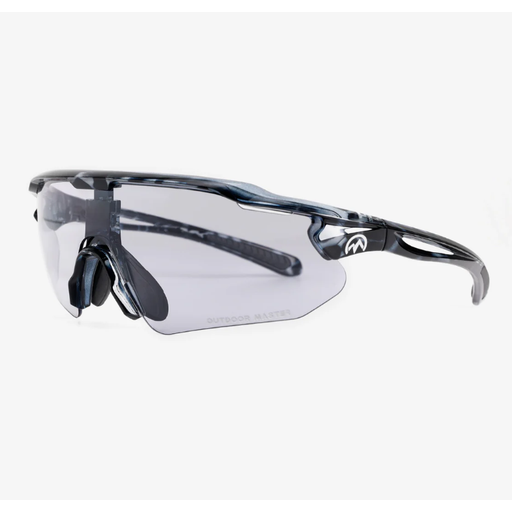
Why It Stands Out: This model combines two key technologies in one lens: it is both photochromic (self-tinting) and polarized. This offers an all-in-one solution for almost any light situation.
Advantages:
Who Is It For?: Ideal for cyclists who frequently ride in changing light conditions—such as on long tours that start in the morning and end at dusk, or on routes with rapid changes between sun and shade.
If you haven't found the right model in our selection or are specifically looking for more glare-reducing options, you can find a wider range of sports sunglasses in our category.
Discover more polarized sunglasses here
The UV400 designation means that the lenses are designed to block harmful ultraviolet (UV) rays up to a wavelength of 400 nanometres. This includes both UVA and UVB rays, providing complete protection for the eyes from the sun.
Yes, polarized lenses are very well-suited for cycling. They significantly reduce glare from wet roads, car windscreens, and other reflective surfaces. This leads to more relaxed vision and can improve reaction time. One potential side effect is that some LCD screens (e.g., from bike computers or smartphones) may be harder to read at certain angles.
The main advantage of photochromic cycling glasses is their adaptability. You don't have to stop to change your glasses or lenses when the light conditions change. The lenses automatically get darker in the sun and lighter in the shade or at dusk. This ensures consistently optimal vision and high comfort throughout your entire ride.