
Lieferung heute & morgen

Qualitätsgarantie

Willkommens-Angebote freischalten: KOSTENLOSE Lieferung | Bis zu 80 % RABATT | Kostenlose 30-Tage-JoyPlus-Testphase
App herunterladen
A well-chosen outdoor wall light not only enhances a home's aesthetics but also improves safety along pathways and in the entrance area. However, the market is crowded, and many products fail to deliver on their promises. Before making a decision, it's wise to understand the common pitfalls that can lead to disappointment and unnecessary expense.
This guide focuses on the objective criteria that define a durable and functional outdoor light. We'll highlight the three most common purchasing mistakes and explain which technical specifications truly matter.
To avoid these mistakes, focus on a few crucial technical parameters. These will help you distinguish quality products from the rest and make an informed choice for your facade lighting.
The IP (Ingress Protection) rating indicates how well a light is protected against the entry of foreign objects (first digit) and water (second digit). For outdoor use, the following ratings are relevant:
The material affects not only the look but also the durability of your modern outdoor lamp or classic fixture.
The style, whether a cubic up-and-down outdoor light or a classic lantern, should complement your home's architecture and create the desired lighting effects.
Modern outdoor lights offer much more than just illumination. The choice of technology depends on your needs.
Based on the criteria above, we have identified several models suitable for specific user profiles.
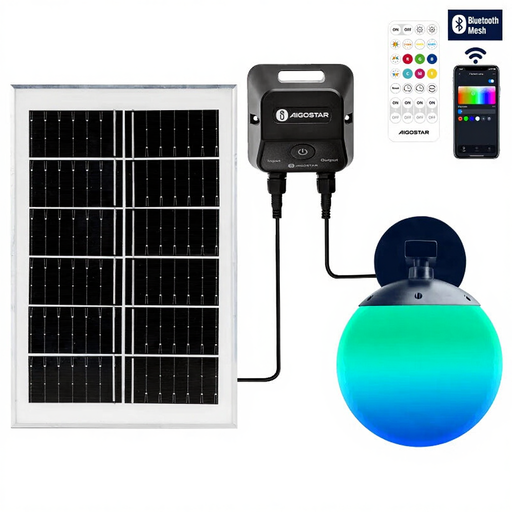
Why This Fits Their Persona: This model is ideal for users seeking a self-sufficient solution with no installation hassle. Thanks to solar power, there are no electricity costs. Control via an app, including colour changing (RGBCCT) and dimming, appeals to tech-savvy users who want full control over their lighting.
With an IP65 rating, the light is protected against powerful water jets, making it suitable for unprotected exterior walls. The adjustable light colour and brightness prevent an unsuitable atmosphere.
Complete self-sufficiency with a solar panel and integrated battery. Smart control via Bluetooth Mesh allows for managing over 200 devices through the app.
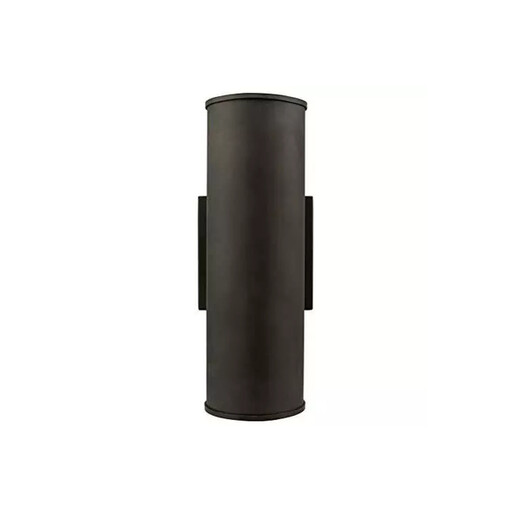
Why This Fits Their Persona: Perfect for homeowners who want to use light to create architectural accents. As an outdoor up-and-down light, it produces an elegant lighting effect on the facade. The slim design and oil-rubbed bronze finish are an excellent match for modern architecture.
The IP44 rating is sufficient for protected outdoor areas like entrances or patio walls. The warm white light colour of 3000K creates a welcoming and pleasant atmosphere instead of a sterile light.
The integrated LED technology is energy-efficient and long-lasting. The up-and-down lighting design ensures a high-quality, modern facade presentation.
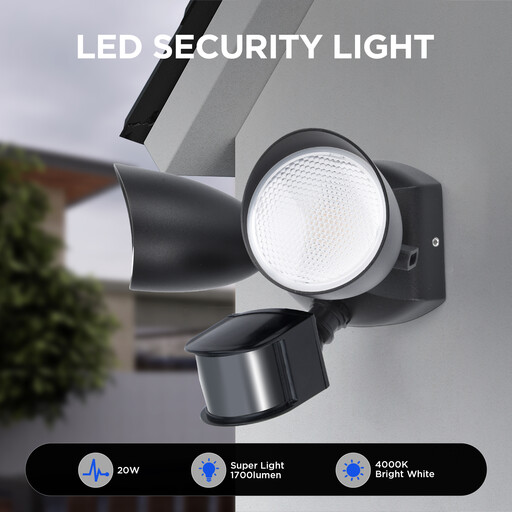
Why This Fits Their Persona: For users who prioritise security and reliable illumination. With a 1700-lumen output and two pivoting heads, this model illuminates large areas like driveways, gardens, or backyards. The integrated sensor ensures on-demand activation.
This model is explicitly designed as a security light and offers high brightness. The neutral white light colour (4000K) ensures good visibility without appearing too sterile. Its robust construction is designed for durability in outdoor use.
High light output (1700 lm) for effective deterrence and illumination. The two light heads are flexibly adjustable to optimally cover the desired area.
We have compiled a complete, up-to-date list of products that fully meet these strict selection criteria and all relevant safety regulations.
For lights that connect to the 230-volt mains supply, installation by a qualified electrician is strongly recommended. This not only ensures proper function but is also essential for safety and insurance purposes. The exception is solar wall lights or battery-operated models, which can typically be installed without professional expertise.
The choice of light colour depends on the application:
Maintenance is generally straightforward. Regularly clean the housing and cover with a soft, damp cloth to remove dirt and debris. Do not use harsh cleaning agents or pressure washers, as they can damage the seals and surfaces. For lights installed in coastal areas, more frequent cleaning may be necessary to remove salt deposits.