
Lieferung heute & morgen

Qualitätsgarantie

Willkommens-Angebote freischalten: KOSTENLOSE Lieferung | Bis zu 80 % RABATT | Kostenlose 30-Tage-JoyPlus-Testphase
App herunterladen
Outdoor string lights can transform a garden, balcony, or patio into an enchanting space. However, the market is flooded with products whose marketing promises often fall short in practice. Many buyers quickly discover that their lights flicker, fail after a rain shower, or lack the expected brightness. This guide highlights the most common pitfalls and explains which technical features truly matter.
Before you make a decision, you should be aware of the typical problems that lead to disappointment and unnecessary expense.
To make an informed purchasing decision, you should check three core technical aspects.
The choice of power supply determines the flexibility and reliability of your lighting.
The IP (Ingress Protection) rating is a crucial indicator of weather resistance.
The visual impact is determined by the type of LEDs and the shape of the string light.
Here are some recommendations tailored to specific needs and applications.
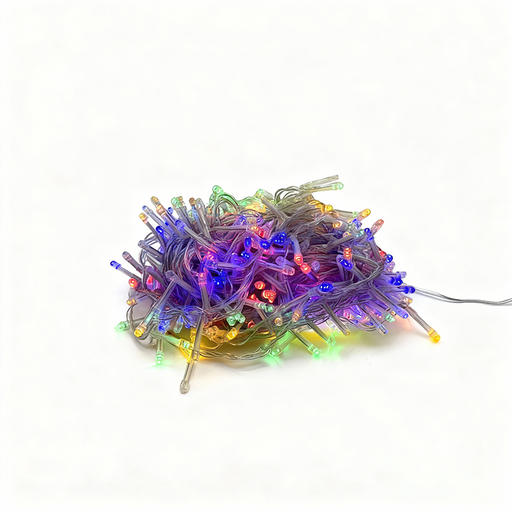
Why it's a good fit: Ideal for use on a balcony, for camping, or in places without a power outlet. The battery operation allows for completely flexible placement, and the 4.3-meter length is perfect for smaller decorations.
Its independence from the power grid avoids the problem of underperforming solar panels. The clear specification of the IP44 rating makes it obvious that it is designed for splash-proof areas.
Offers 8 lighting modes with a memory function and dynamic colour changing (RGBY), which creates a vibrant atmosphere.
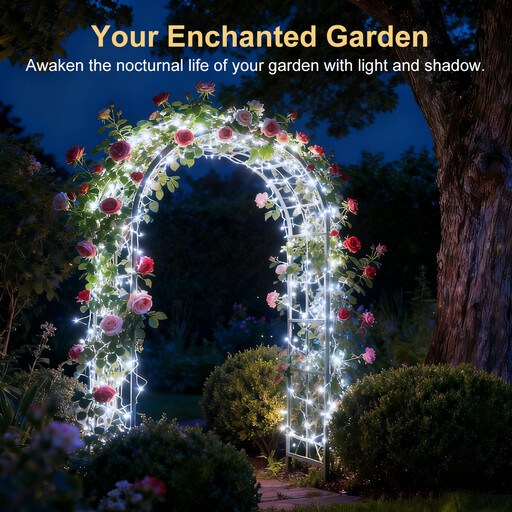
Why it's a good fit: This set is designed for users seeking sustainable and cost-effective lighting for their garden. The flexible copper wire can be discreetly wrapped around plants, fences, or railings.
Addresses the typical weaknesses of solar products with an improved solar panel for higher energy conversion. The high protection class of IP65 ensures significantly better weather resistance than the standard.
Provides a runtime of 8 to 14 hours after a full charge and is suitable for year-round, unsheltered outdoor use thanks to its IP65 certification.
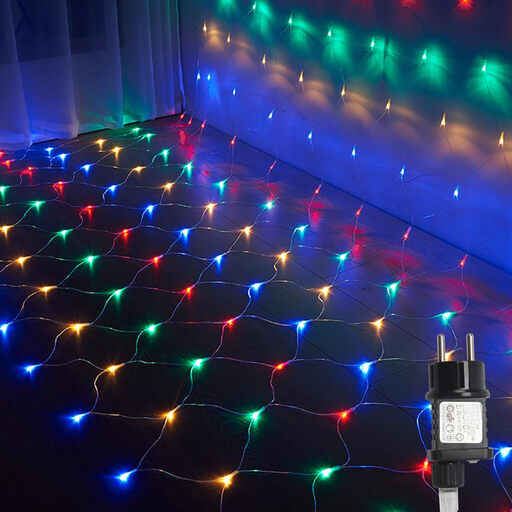
Why it's a good fit: A net light is the most efficient solution for quickly and easily decorating uniform surfaces like hedges, shrubs, or walls. This 2x2 meter net provides expansive and even illumination.
The product description explicitly states that the adapter is not waterproof. This transparency helps prevent the most common user error with IP44 products and ensures a longer lifespan.
Allows for fast and uniform decoration of large areas. The mains-powered, low-voltage (30V) operation ensures constant brightness and safety.

Why it's a good fit: Perfect for large-scale outdoor Christmas lighting. With 720 LEDs across 15 tubes and covering 10 meters, these lights create an impressive, dynamic snowfall effect on house facades or in large trees.
Mains power guarantees a consistently high luminosity that would be unattainable with solar or battery solutions of this scale. The specific effect is clearly defined, delivering exactly what is advertised.
Creates a large-scale and eye-catching "meteor shower" effect. The high count of 720 LEDs ensures intense and widely visible illumination.
We've compiled a complete, up-to-date list of products that fully meet these strict selection criteria and UK/EU safety regulations.
1. How much electricity does an outdoor LED string light use? Modern LED string lights are very energy-efficient. A typical model with 100 to 200 LEDs consumes only about 3 to 6 watts. Even with daily use throughout the winter season, the electricity costs often amount to just a few dollars, depending on the duration of use and your current electricity price.
2. Can you leave outdoor string lights up all year? That depends on the quality and the IP rating. A model with IP65 is better suited for year-round use than one with IP44, as it offers greater protection against dust and water. However, extreme weather conditions like intense summer sun and heavy winter frost can still shorten the lifespan of plastic components and cable insulation. It is advisable to check the manufacturer's specifications.
3. How do you attach string lights to a balcony or house wall? Use transparent cable clips, small hooks with outdoor-rated adhesive, or discreet cable ties. Be careful not to damage the cable's insulation. Nails or staples are unsuitable as they can pierce the cable and create a safety hazard. For rental properties, choose mounting methods that do not leave permanent marks on the building's structure.