
Lieferung heute & morgen

Qualitätsgarantie

Willkommens-Angebote freischalten: KOSTENLOSE Lieferung | Bis zu 80 % RABATT | Kostenlose 30-Tage-JoyPlus-Testphase
App herunterladen
When temperatures drop, a reliable heat source becomes essential. An electric heater offers a flexible and fast solution for selectively warming individual rooms—whether it's your home office, bedroom, or bathroom during transitional seasons. However, the market is crowded, and many devices promise more than they deliver. Before you make a decision, it's crucial to know the most common pitfalls to avoid wasting money on an unsuitable or inefficient unit.
As your Joybuy Product Recommendation Officer, I'll help you distinguish the important features from empty marketing promises.
Many buyers focus on superficial features, overlooking crucial details that determine efficiency and safety. Here are the three typical poor decisions:
To make an informed decision, you should focus on three core aspects. These determine whether a portable heater meets your requirements for performance, safety, and comfort.
The method of heat generation is the most important criterion. Each technology has specific advantages and disadvantages:
Operating a modern energy-saving supplemental heater is only possible with smart features:
Safety should never be negotiable. Look for the following features:
Based on the criteria mentioned, we have identified a few models that are particularly well-suited for different user profiles and use cases.
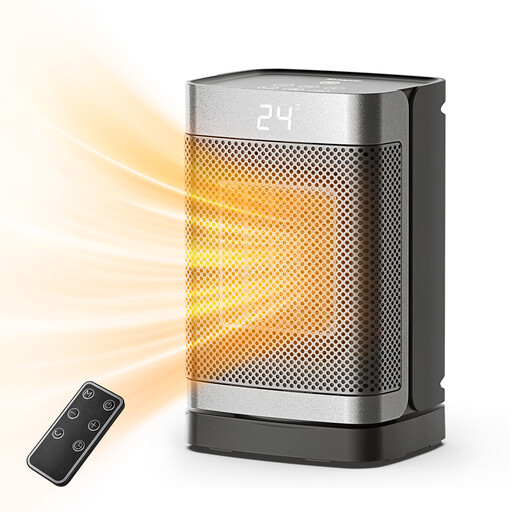
Why This Fits Their Persona: Ideal for anyone looking for a straightforward and fast source of heat for their desk or a small corner of the living room. The compact design and PTC technology provide instant warmth without a long pre-heating time.
This unit features built-in tip-over and overheat protection, which is not a given on budget-friendly models and ensures fundamental safety.
Fast heat-up time thanks to PTC ceramics; remote control and 12-hour timer for added convenience.
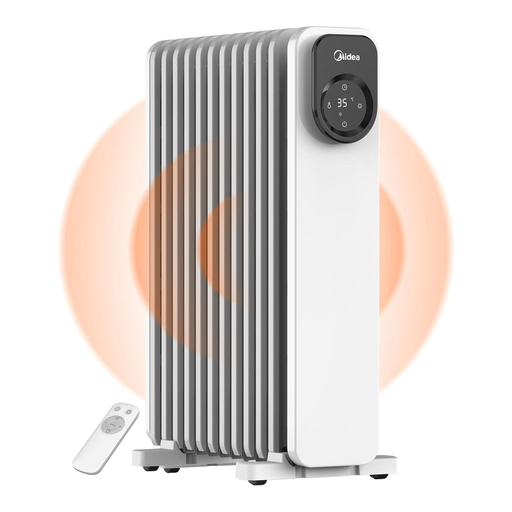
Why This Fits Their Persona: Anyone looking for even, long-lasting warmth for their living room or bedroom will be well-served by this oil-filled radiator. It operates completely silently and retains heat, ensuring a pleasant room climate without constant temperature fluctuations.
Instead of just relying on high wattage, this device uses oil-radiator technology for sustained heat release. The ECO mode and thermostat ensure that the 2000W of power are used efficiently.
Silent operation; long-lasting heat retention; 4 heating modes including an ECO function.

Why This Fits Their Persona: For users seeking a flexible, powerful, yet energy-efficient solution. This device combines the rapid heat of a ceramic fan heater with smart features like a precise thermostat and an ECO mode that optimises energy consumption.
Rather than just advertising 2000W, this model offers a smart ECO mode that independently adjusts the power based on the ambient temperature. This actively prevents energy waste.
Precise temperature control; 24-hour timer; energy-saving ECO mode.
We have compiled a complete, up-to-date list of products that fully meet these strict selection criteria and German safety regulations.
1. How much does it cost to run an electric heater? The cost depends on the power (wattage), your duration of use, and the current price of electricity. As a rule of thumb: a 2000-watt (2-kilowatt) heater running for one hour consumes 2 kilowatt-hours (kWh) of electricity. Assuming an electricity price of 35 cents/kWh, that would be 70 cents per hour. A heater with a thermostat and ECO mode can significantly reduce these costs, as it only turns on when needed.
2. Which electric heater is best for the bedroom? For the bedroom, a quiet heater is crucial. Oil-filled radiators and most convection heaters operate silently, making them a great choice. Some modern ceramic fan heaters also offer special quiet modes. Look for a unit with a thermostat and timer to keep the temperature consistent overnight and to switch the device off automatically.
3. Can I use a portable heater in any room? Generally, yes, but with important exceptions. In damp rooms like the bathroom, only a device with the appropriate IP rating (e.g., IPX4 for splash protection) should be used to ensure safety. Always place the portable heater on a firm, level surface and maintain a safe distance from flammable materials such as curtains, furniture, and textiles.