
Lieferung heute & morgen

Qualitätsgarantie

Willkommens-Angebote freischalten: KOSTENLOSE Lieferung | Bis zu 80 % RABATT | Kostenlose 30-Tage-JoyPlus-Testphase
App herunterladen
When buying hiking gear, it's easy to get lost in a jungle of marketing promises and technical specs. Many products advertise features that are overkill for most hikes and only serve to drive up the price. Before you invest, it's wise to know the most common pitfalls so you can choose gear that truly fits your needs.
Analysis of product returns and customer feedback reveals recurring patterns that lead to dissatisfaction. Two of them are particularly costly:
Instead of being swayed by marketing terms, you should focus on verifiable, objective criteria. Two of the most important are material and construction.
A good tent for use from spring to autumn in Europe doesn't require extreme specifications. Pay attention to these two values:
With trekking poles, stability and reliability are crucial for your safety.
Based on these objective criteria, we have identified products that represent a sensible choice for specific user profiles.
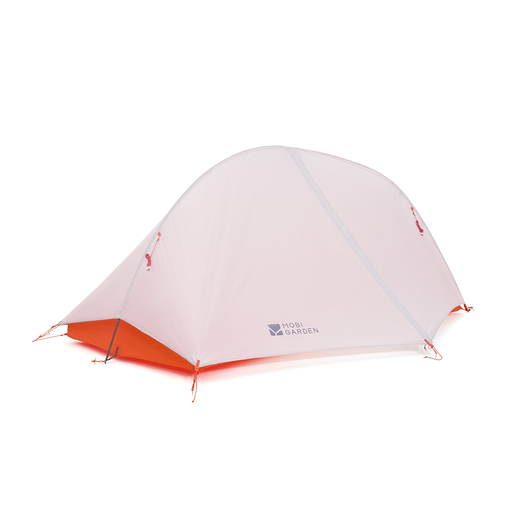
Why This Fits Their Persona: For users putting together a multi-day thru-hiking gear list, every gram counts. This tent is specifically designed for that purpose without compromising functionality. It's a classic 2-person ultralight tent.
It avoids the "ultralight" fallacy by combining a low weight (approx. 1.18 kg) with durable 20D ripstop nylon and a practical PU2000mm water column rating. It's not over-specced, making it ideal for 3-season trips.
Excellent space-to-weight ratio. Two separate entrances and vestibules significantly increase comfort for two people, as you won't disturb each other and can store gear separately.
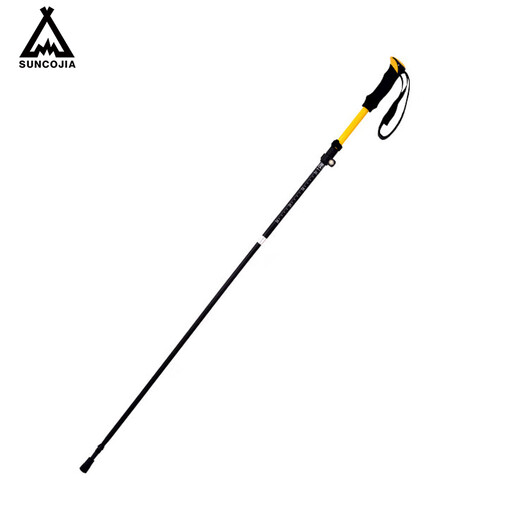
Why This Fits Their Persona: Ideal for day and weekend hikers looking for reliable but not overly expensive poles. The folding design makes them a convenient companion that stows away easily in a backpack when not in use.
These aluminum hiking poles rely on the proven 7075 alloy instead of expensive carbon. They bypass the "ultralight" surcharge, offering greater durability and break resistance instead, which is a clear safety advantage.
The combination of durability, a compact packed size as folding hiking poles, and a reliable external ABS locking mechanism offers excellent value for money.
We have compiled a comprehensive, up-to-date list of products that meet these strict selection criteria.
Proper care is crucial. Never store your tent while it's damp, as this quickly leads to mildew and the degradation of the waterproof coating. Let it air dry completely after every trip. Clean it only with a soft cloth and plain water. Washing machines, brushes, or chemical cleaners will permanently damage the fabric and its waterproof treatment.
Modern folding hiking poles made with high-quality materials like the 7075 aluminum alloy and reliable external locking systems offer stability comparable to classic telescoping poles for most hiking and trekking applications. Their main advantage is a much smaller packed size. However, it is essential to check that all segments are correctly locked in place and the clamps are tightened securely before each use.
Price isn't the only criterion; the value for money is what's crucial. Instead of choosing the most expensive product, you should invest in gear that matches your user profile. A pair of sturdy, lightweight trekking poles made of aluminum for €30-50 can be a better choice for most hikers than a €150 pair of carbon poles. A good 3-season tent for 1-2 people can often be found in the €150-300 range and offers a solid balance of weight, durability, and weather protection.