
Lieferung heute & morgen

Qualitätsgarantie

Willkommens-Angebote freischalten: KOSTENLOSE Lieferung | Bis zu 80 % RABATT | Kostenlose 30-Tage-JoyPlus-Testphase
App herunterladen
Choosing the right honey can be a challenge given the sheer variety on the shelf. From mild, sweet acacia honey to robust, malty forest honey, each type offers a unique flavour experience and is suited for different purposes. Whether you're looking for a natural sweetener for your tea, an aromatic ingredient for cooking, or simply a delicious spread for your bread, making the right choice is key.
This guide is designed to help you make an informed decision. We'll introduce you to different types of honey, provide practical tips for your selection, and present a range of products you can order directly online.
To make the right choice, it helps to understand a few basic properties of honey. Flavour, consistency, and origin are the most important criteria.
The consistency of honey primarily depends on the ratio of its two main sugars: fructose and glucose.
The aroma of honey is determined by the plants from which the bees collect nectar or honeydew.
The origin information on the label indicates where the honey was collected. Whether you prefer a pure German honey or a blend from EU and non-EU countries is a matter of personal preference. In Germany, brands like Bihophar Honey and Langnese Honey have long been known for their consistent quality and wide range of products.
Here is a selection of honeys that stand out for their specific characteristics and flavour profiles.
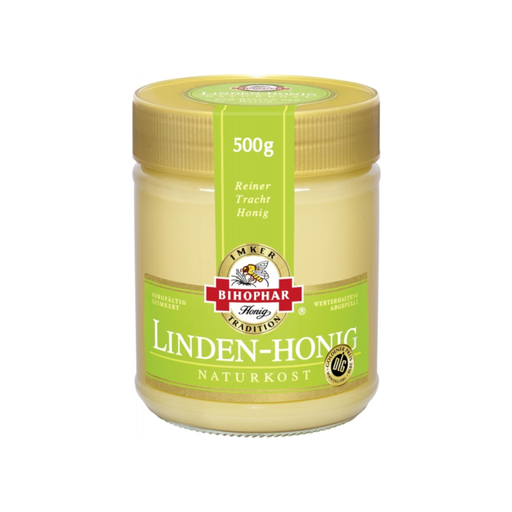
Why it stands out: This linden honey from Bihophar is distinguished by its aromatic profile with a characteristic minty note. It is made from the nectar of linden blossoms and offers an intense flavour experience.
Benefits:
Who it's for: For lovers of aromatic honeys who appreciate an intense and slightly tart flavour profile and are looking for a versatile ingredient for the kitchen.
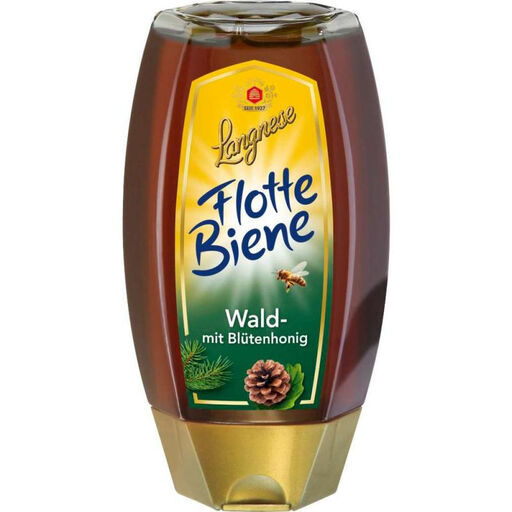
Why it stands out: The forest honey from Langnese is a dark, robust honey with a distinctly malty taste and a woody aroma. It is made from the honeydew of forest trees, which gives it its intense profile.
Benefits:
Who it's for: For anyone who prefers a strong and spicy honey as a spread for dark bread, for sweetening strong black tea, or as an ingredient in savoury marinades.
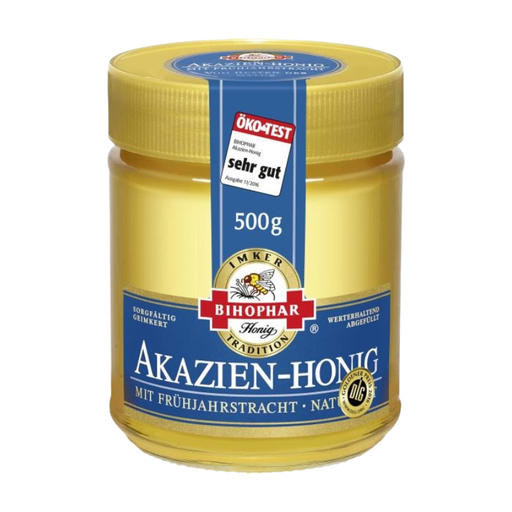
Why it stands out: This pure, liquid acacia honey from Bihophar is exceptionally mild and sweet in taste. Thanks to its naturally high fructose content, it stays liquid for a very long time and hardly ever crystallises.
Benefits:
Who it's for: For consumers looking for a subtle, all-purpose sweetener who prefer a liquid consistency for everyday use in the kitchen.
Our selection represents just a small part of the fascinating world of honey. If you are looking for a different variety or simply want to browse, you can find an even larger selection in our Bear Honey category. Discover more options here and find the perfect honey for your taste.
The main difference lies in their origin. Blossom honey is produced by bees from the nectar of flowering plants (e.g., linden or acacia honey). Forest honey, on the other hand, is made from honeydew. This is a sugary secretion from plant-sucking insects found on the leaves and needles of trees like spruce, fir, or oak. As a result, forest honey is usually darker, stronger in flavour, and less sweet than blossom honey.
Solidification, also known as crystallisation, is a natural process and a sign of quality in untreated honey. It occurs when the glucose (grape sugar) in the honey forms crystals. To make crystallised honey liquid again, you can place the jar in a warm water bath. The temperature should not exceed 40°C (104°F), as valuable compounds can be destroyed. The microwave is not suitable for this.
The quality of honey depends less on the country and more on the beekeeper's care, the regional plant diversity, and the processing methods. German honey is subject to the strict requirements of the German Honey Ordinance, which ensures high quality standards. However, honeys from other countries can also be of high quality and often offer different, interesting flavour profiles. The label "Blend of honeys from EU and non-EU countries" means the honey is sourced from various origins to ensure a consistent flavour and constant availability. Ultimately, the choice is a matter of personal preference for taste and origin.