Lieferung heute & morgen

Qualitätsgarantie

Willkommens-Angebote freischalten: KOSTENLOSE Lieferung | Bis zu 80 % RABATT | Kostenlose 30-Tage-JoyPlus-Testphase
App herunterladen
The quiet ritual of a morning. The steam rising from a cup of tea. The simple gesture of spreading something golden on fresh bread. It is these small, mindful moments that define the quality of our daily lives. Honey is often a quiet part of these rituals—a natural product whose complexity extends far beyond its sweetness. The decision of which honey to buy is therefore more than a matter of taste; it is an exploration of origin, texture, and the character of a landscape.
Not all honey is created equal. Its diversity is a direct reflection of the botanical environment where the bees collect their nectar or honeydew. The most fundamental distinction is between blossom honey and forest honey. The former is made from the nectar of countless flowers and carries their floral, often mild and fruity notes. A classic summer blossom honey captures the essence of an entire season. Forest honey, on the other hand, has a different source: honeydew, a sugary substance left by insects on the leaves and needles of trees. Bees collect this and process it into a darker, often robustly aromatic, and less sweet honey with resinous or malty undertones.
Consistency is another key characteristic. Whether a honey remains liquid or becomes a creamy honey depends on the ratio of its sugars, fructose and glucose. A high glucose content, as found in rapeseed honey, leads to rapid, fine crystallisation and a firm, spreadable texture. Acacia honey, rich in fructose, naturally stays liquid and clear for a very long time. This quality makes it an ideal honey for sweetening drinks or dishes, as it barely affects their original flavour. Crystallisation is a natural process and a sign of quality, not a flaw. Crystallised honey can easily be returned to its liquid state by gently warming it in a water bath.
Origin and production methods are also increasingly coming into focus. A German honey from the region reflects the local flora and supports local beekeepers. An organic honey also guarantees that the beekeeping follows strict ecological guidelines, for instance in the choice of locations and the materials for the hives. Manuka honey from New Zealand forms a special category. It is derived from the nectar of the manuka bush and is prized for its methylglyoxal (MGO) content, an ingredient that is quantified in lab tests and serves as an indicator of its specific properties.
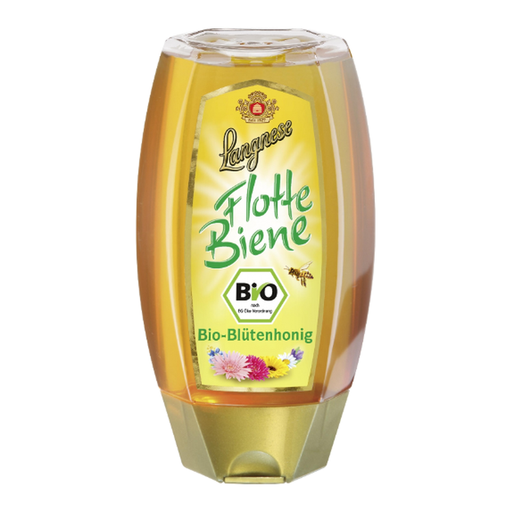
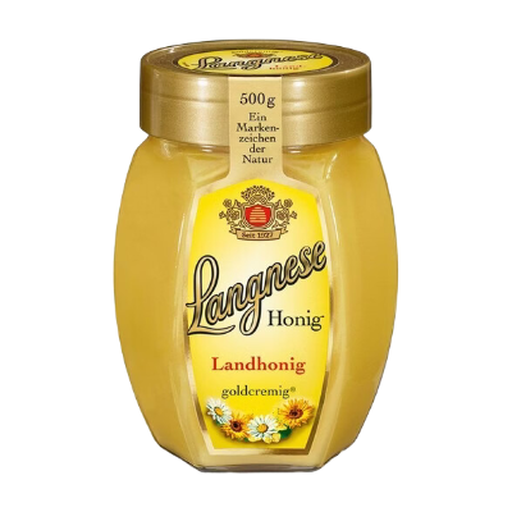
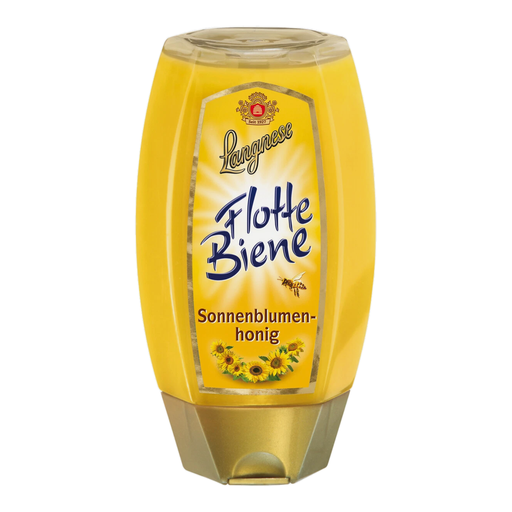
The choice of the right honey depends on its intended use. For daily use on the breakfast table, mild, balanced varieties are ideal. A versatile Alnatura Organic Blossom Honey of Bioland quality or a classic Langnese Summer Blossom Honey provide a great foundation. Those who prefer a soft, spreadable consistency will find a subtle, floral alternative in the finely creamy Langnese Rapeseed Honey, which spreads effortlessly on bread. The convenient squeeze bottle, as used for the Langnese Flotte Biene Wildflower Honey, also offers clean and easy handling for everyday use.
For culinary applications where honey serves as a character-defining ingredient, it's worth reaching for more specific varieties. The strong, aromatic notes of an Alnatura Organic Forest Honey pair excellently with robust cheeses, enhance salad dressings, or add complex depth to dark sauces. The light, almost transparent Bihophar Acacia Honey, with its long-lasting liquid state and mild flavour, is the ideal choice for sweetening yoghurt, muesli, or tea without overpowering their aroma. A linden blossom honey, such as the one from Langnese, in turn, brings its own slightly minty and fresh aroma, which is particularly highlighted in herbal teas.
For consumers who are specifically interested in the special properties of honey varieties from other parts of the world, Manuka honeys offer an interesting option. Here, quality is often defined by the certified MGO content. Products like the Bihophar Manuka Honey MGO 100+ offer an entry point into this category. For users seeking a higher content, there are variants like the Manuka Doctor UMF 20+ / 830+ MGO, whose UMF (Unique Manuka Factor) certification serves as a comprehensive quality seal that assesses purity and potency. These honeys are often enjoyed pure by the spoonful or purposefully integrated into a daily routine.
For those who wish to continue their culinary journey and explore honey specialities from regions like Poland, the Polish honey directory offers further inspiration.