
Lieferung heute & morgen

Qualitätsgarantie

Willkommens-Angebote freischalten: KOSTENLOSE Lieferung | Bis zu 80 % RABATT | Kostenlose 30-Tage-JoyPlus-Testphase
App herunterladen
When buying hoodies, it’s not just the colour or logo that matters. A hoodie can look high-quality in product photos yet prove impractical in everyday life: the fit may differ from what you expected, the material may be too warm for the transitional season or the hood may not sit comfortably. Using a few objective criteria can significantly narrow down your options.
An oversize hoodie is cut wider by design, often with dropped shoulders and extra room across the chest and body. Simply ordering one or two sizes larger, on the other hand, often results in sleeves that are too long and an unbalanced silhouette. Always check the stated fit and compare the size chart with a well-fitting garment.
Fabric density is often given in g/m². A heavyweight hoodie weighing 460 g/m² is considerably denser than a model weighing 300 g/m². However, the weave and inner surface also affect comfort. Brushed fleece lining feels warmer, while French terry or unbrushed sweatshirt fabric is often better suited to milder days.
Cotton can change shape when washed and dried. Polyester blends are often easier to care for, but feel different and may seem less breathable. Information such as “machine washable” does not replace checking the temperature, tumble-drying permission and ironing instructions. The care label should be checked before purchase, particularly for heavy fabrics.
Distinguish between Regular Fit, Relaxed Fit, Cropped and Oversize. For a men’s or women’s hoodie, the size chart for the specific model is crucial, as sizes can vary between brands and collections.
The following measurements are particularly relevant:
With an oversize fit, the desired extra room should already be built into the design. If you prefer a closer-fitting look, you can check the size chart to see whether a smaller size would be suitable. If you are unsure, always refer to the specific size chart for the item.
A cotton hoodie can feel soft and natural. Cotton-polyester blends can affect shape retention and ease of care. The material information should therefore not be considered in isolation.
For guidance:
A polyester sweatshirt with a hood can work well for sporty-inspired outfits. For a classic streetwear outfit, cotton blends, fleece hoodies or heavyweight terry fabrics may be more suitable.
An adjustable hood, kangaroo pocket and ribbed cuffs are typical features. A zip hoodie can be worn open, making it suitable as an additional layer. For children, you should also look for the right size, durable seams and the stated care instructions. A children’s hoodie should be chosen not only for its design, but also according to the child’s height and freedom of movement.
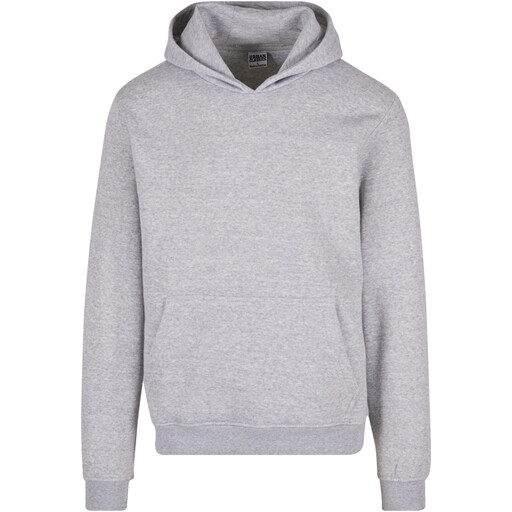
Why this product suits the profile: This grey men’s hoodie combines an oversize fit with heavyweight 300 g/m² cotton-polyester fabric, making it a practical everyday staple.
The stated fabric weight makes the material easier to assess than a vague description such as “warm” or “heavy”.
60% cotton, 40% polyester, fleece lining and ribbed cuffs according to the product details.
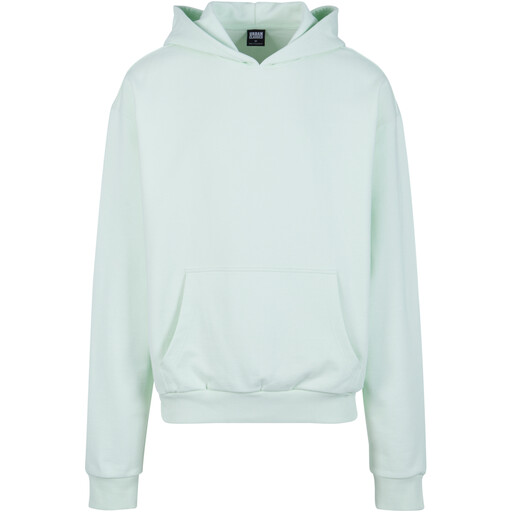
Why this product suits the profile: Made from 100% cotton and heavyweight 460 g/m² terry fabric, this version is aimed at shoppers looking for a substantial heavyweight model.
Rather than relying on an unexplained “premium” claim, the fabric weight, material and care instructions are clearly stated.
Oversize fit, kangaroo pocket and durable ribbed cuffs; wash at 30 °C on a gentle cycle.
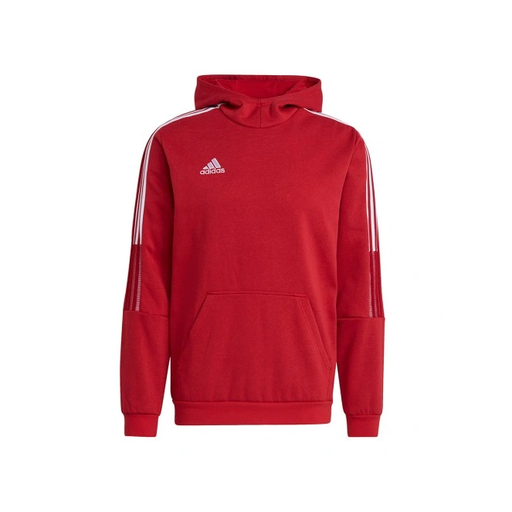
Why this product suits the profile: This adidas hoodie is made from 100% polyester and designed for sporty casualwear and regular use.
The fabric composition is clearly stated, distinguishing this model from cotton and fleece hoodies.
Regular fit, hard-wearing polyester fabric and care instructions recommending washing inside out.

Why this product suits the profile: Sizes range from infant to youth and are organised by height as well as chest, waist and hip measurements.
Choosing by body measurements reduces the risk of buying the wrong size based only on age or a design.
320 g/m² sweatshirt fabric, 78% cotton, 18% polyester and 4% elastane according to the product description.
We’ve put together a complete, regularly updated list of products that fully meet these strict selection criteria and the safety regulations applicable in the EU.
Compare your chest, waist and hip measurements with the size chart for the specific model. With oversize fits, you should not automatically choose a larger standard size. For a regular-fit hoodie, you can use the measurements of an existing sweatshirt as a reference.
A fabric weight of around 300 g/m² is often versatile. For cooler days, fleece hoodies or heavier versions may be suitable. Unbrushed sweatshirt fabric can feel less bulky when temperatures fluctuate. Your personal sensitivity to warmth and whether you wear additional layers remain key considerations.
Start by checking the sewn-in care label. 30 °C, a gentle cycle and washing inside out are often suitable. Avoid bleach and check whether tumble drying is permitted. Air-drying can help cotton blends and heavy fabrics retain their shape over time.