
Same-day & Next-day Delivery

Quality Guaranteed

Unlock Your Welcome Offers: FREE Delivery | Up to 80% OFF | Free 30-day JoyPlus trial
Download the APP
Indian spices bring aromatic depth to curries, rice dishes, dal, stir-fried vegetables and marinades. However, shopping for them online isn’t always straightforward: a curry powder isn’t automatically suitable for every dish, a large pack size can lead to flavour loss if you use it infrequently, and product names like “Curry” or “Masala” don’t tell you much about heat level, ingredients or intended use.
This buying guide from the Joybuy Product Recommendation Officer will help you select Indian spices based on clear criteria and avoid common mistakes.
Curry isn’t a single spice plant, nor is it a globally standardised blend. A mild curry powder may be mostly turmeric and coriander, while a Madras curry powder often combines chilli, mustard, cumin and fenugreek. The composition and heat level vary by brand and product.
If you’re after a neutral everyday spice, check the ingredients list. For a specific dish, specialised blends like Garam Masala, Tandoori Masala or a curry paste are often more suitable.
The label “Hot” usually indicates a higher chilli content, but it isn’t a standardised measurement. With heavily spiced blends, it’s wise to start cautiously with the amount stated on the packet. It’s also worth checking the salt content, as this can vary significantly between products.
This is especially important with ready-made mixes for meat dishes or sauces, where salt in the ingredients list should be taken into account. That way, you can adjust the rest of your recipe accordingly.
Ground spices gradually lose their aroma due to light, moisture, heat and oxygen. A 400g pack may make sense for heavy users, but for occasional home cooks it can be unnecessarily large. Smaller packs are ideal for trying out different blends and reduce the risk of the powder sitting open for too long.
Once opened, Indian spices should be stored in an airtight container in a cool, dry place away from direct sunlight.
A single spice like turmeric powder or coriander powder can be measured flexibly and combined with other spices. A curry spice blend, on the other hand, is convenient when you want a balanced profile without buying lots of individual packets.
For sensitive palates or mixed households, a mild curry powder is a controlled starting point. If you prefer a more pronounced chilli note, you can choose a hot curry powder such as a hot Madras variety. Heat is difficult to correct once you’re cooking. Coconut milk, yoghurt or extra unseasoned ingredients can balance a dish, but they don’t replace careful measuring.
With spice blends, always read the information on mustard, celery, soya, milk, nuts and gluten-containing cereals. Even if a product is suitable for vegetarian or vegan recipes, the actual ingredients list should be your guide.
For pastes and ready-made mixes, also check whether the product needs to be cooked before eating. Once opened, curry pastes usually require refrigeration. Always follow the instructions on the individual packet.
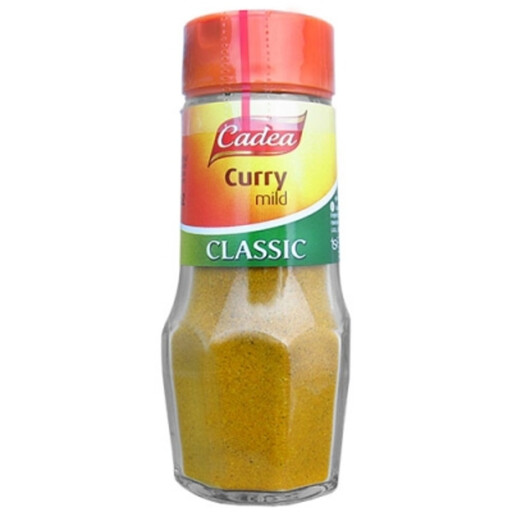
Why this product fits the profile: The 45g pack is ideal for first curry dishes and households that only use Indian spices occasionally. The shaker lid allows you to add it gradually.
The small pack limits how much you keep in stock, and the mild flavour reduces the risk of over-seasoning.
According to the product information, it contains turmeric and coriander as main ingredients; no added flavour enhancers or preservatives.
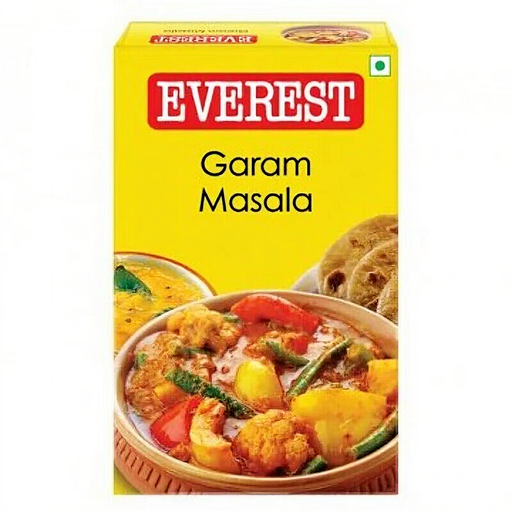
Why this product fits the profile: The ingredients list includes cardamom, black pepper, cinnamon, cloves, coriander, cumin and fennel, among others. This suits users looking for a complex masala spice for a variety of dishes.
The detailed ingredient list makes the flavour profile clearer than a simple label like “Curry”.
100g pack; according to the product information, free from declarable allergens; suitable for curries, soups, stews and marinades.
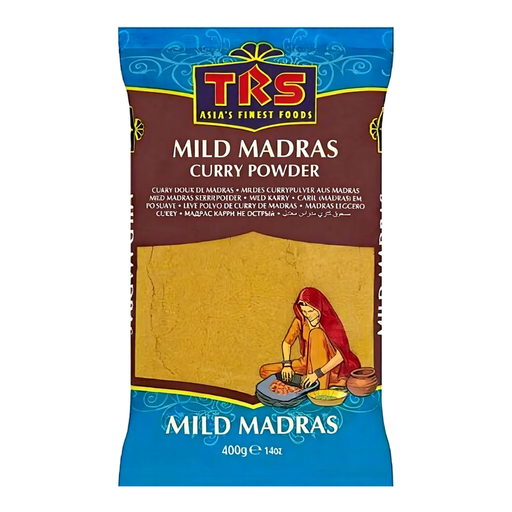
Why this product fits the profile: The 400g pack is aimed at households where curries, rice dishes or vegetable preparations are a regular feature on the menu.
The explicitly mild variant helps with selection when you want a Madras profile without high chilli heat.
Large pack size; according to the product description, contains coriander, turmeric, chilli, mustard and cumin, with no added preservatives.
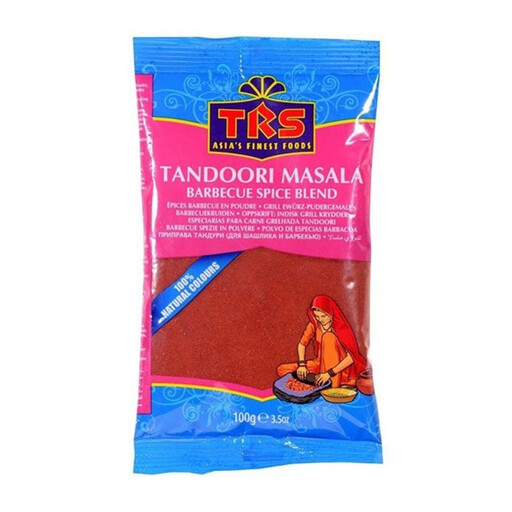
Why this product fits the profile: According to the product description, this blend can be used for vegetables as well as meat, fish and marinades, making it suitable for different dietary preferences.
The specific intended use as a marinade and oven spice prevents the blend from being chosen based only on the general term “Curry”.
100g tin; according to the product information, contains over 20 spices and herbs, including coriander, cumin, cardamom, clove and paprika.
We’ve put together a full, regularly updated list of products that fully meet these strict selection criteria and the safety regulations in force in the EU.
A mild curry powder, turmeric powder and coriander powder are versatile options. If you prefer a ready-made blend, you can start with a mild Madras curry powder and add extra chilli later for more heat.
The specific best-before date is on the packet. Once opened, aroma stability depends heavily on storage conditions, moisture and light exposure. Airtight containers, a dry cupboard and taking out small amounts at a time will help preserve quality for longer.
When shopping online, check the product name, pack size, ingredients, allergens, heat level and storage conditions before ordering. This way, you can select single spices, curry spice blends and masalas based on your recipe and usage.