
Lieferung heute & morgen

Qualitätsgarantie

Willkommens-Angebote freischalten: KOSTENLOSE Lieferung | Bis zu 80 % RABATT | Kostenlose 30-Tage-JoyPlus-Testphase
App herunterladen
Choosing a new hob can quickly become overwhelming. The market is filled with appliances touting numerous features and technical terms, but not every innovation is relevant for daily use. As a Joybuy Product Recommendation Officer, I'll help you distinguish the important features from the unimportant ones and avoid common pitfalls when buying, so you can make an informed decision for your kitchen.
Before we dive into the technical details, let's look at the most common mistakes that lead to dissatisfaction and unnecessary expenses.
To avoid these pitfalls, focus on three fundamental parameters. These determine whether a hob truly fits your needs and your kitchen.
Operating a standalone hob means it can be installed and controlled independently of an oven. You can install it anywhere in your countertop, for example, on a kitchen island. Range-integrated hobs, on the other hand, are part of a set with a specific oven and are controlled via its control panel. Standalone models offer maximum flexibility in kitchen design.
The standard width for built-in hobs in German kitchens is 60 cm. A 60cm built-in hob typically offers four cooking zones and fits into most kitchen counters. For smaller kitchens or single-person households, there are narrower models with a 30 cm width and two cooking zones. For those who cook a lot, wider versions of 80 or 90 cm are also available. For maximum flexibility or for use outside the kitchen, a portable induction hob is ideal, as it can be easily stored after use.
Based on these criteria, we have identified a few models that are suitable for different user profiles.
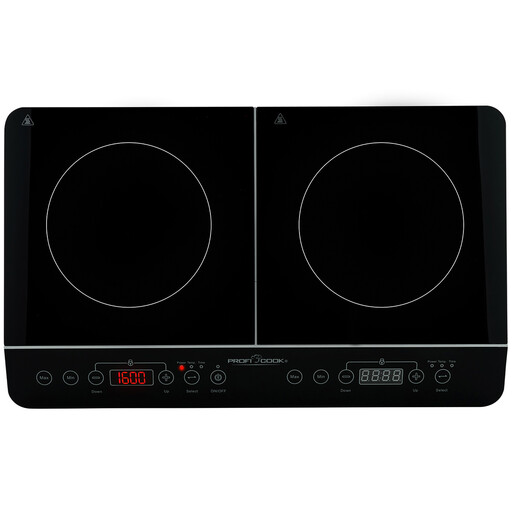
Why This Fits Their Persona: Ideal for students, small apartments, or as an additional cooking option. This portable device requires no permanent installation and can be used flexibly wherever a power outlet is available. It offers the advantages of induction technology in a compact format.
It bypasses the installation trap (Trap 3) as no built-in installation or high-power connection is needed. The functions are reduced to the essentials, which avoids unnecessary costs (Trap 1).
Advantage: Maximum portability and immediate usability. Pros: Two cooking zones with separate controls, a timer function, and a sensor-touch control panel.

Why This Fits Their Persona: This 60cm standalone built-in hob is a solid choice for families looking to modernise their kitchen. It offers four cooking zones with sufficient power for daily cooking and includes all the necessary standard features for safe and convenient operation.
The hob focuses on practical features like a boost function and a timer, without driving up the price with superfluous extras (Trap 1). The product description clearly indicates the need for induction-compatible cookware (addressing Trap 2).
Advantage: High total power output of 7200 W for rapid heating. Pros: 9 power levels per zone, child lock, and residual heat indicator for enhanced safety.
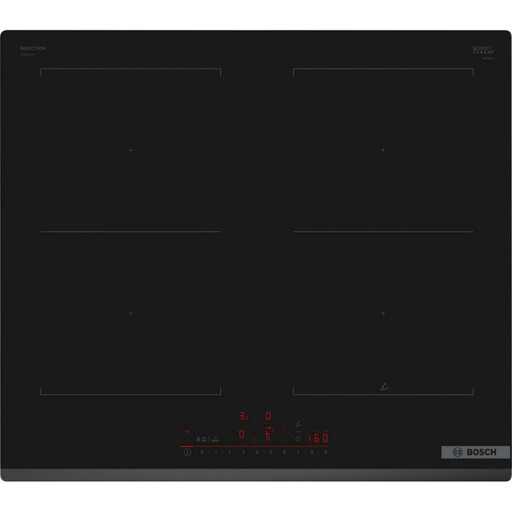
Why This Fits Their Persona: For users who frequently work with large or irregularly shaped cookware like roasters or griddles. The CombiZone feature (also known as FlexInduction) allows two individual cooking zones to be combined into one large, continuous surface that heats evenly.
Here, the premium feature isn't a gimmick but solves a real problem: the uneven heating of large pans on standard round hobs. The added value justifies the price for the right user (avoids Trap 1).
Advantage: Flexible CombiZone for versatile cooking applications. Pros: DirectSelect controls for intuitive operation, PowerBoost function on every zone, and automatic pan recognition.
We have compiled a complete, up-to-date list of products that fully meet these strict selection criteria and German safety regulations.
The main difference lies in the heating method. An induction hob generates a magnetic field that creates heat directly in the base of the cookware. It's fast, efficient, and the cooking surface remains relatively cool. A ceramic hob uses heating elements under the glass-ceramic, which first heat the glass surface and then the pot. It is slower, uses more energy, and the surface gets very hot.
That depends on the power of the appliance. Portable single or double hobs can usually be plugged into a standard 230 V outlet. However, most standalone built-in hobs with four zones and a total power output of over 3,700 watts require a three-phase high-power connection (400 V). For safety reasons, installation should always be carried out by a qualified electrician.
The lifespan of an induction hob depends on the quality of the appliance and the frequency of use. With proper care and normal household use, you can expect an average lifespan of 10 to 15 years. Correct installation with adequate ventilation and regular, gentle cleaning of the glass-ceramic surface are important for long-term durability.