
Lieferung heute & morgen

Qualitätsgarantie

Willkommens-Angebote freischalten: KOSTENLOSE Lieferung | Bis zu 80 % RABATT | Kostenlose 30-Tage-JoyPlus-Testphase
App herunterladen
By a Joybuy Product Recommendation Officer, August 28, 2026
The selection on supermarket shelves or when buying jam online can be overwhelming. Countless varieties, brands, and labels are all vying for your attention. But not every fruit spread lives up to its label's promise. Many shoppers only discover at home that their supposed bargain contains more sugar than fruit, or that the consistency doesn't meet their expectations. This guide will help you avoid the common pitfalls and find the perfect product to suit your needs.
The 2 most common pitfalls when buying jam:
To make an informed decision, you should check three core parameters. These give you an objective basis for evaluating a product's quality and suitability before you order jam online.
Fruit content is the most important quality indicator. European regulations clearly define the labels:
The order of ingredients indicates their proportion by weight. If sugar is listed first, the product contains more sugar than the fruit it's named after.
Preference for texture is personal, but it's crucial for enjoyment.
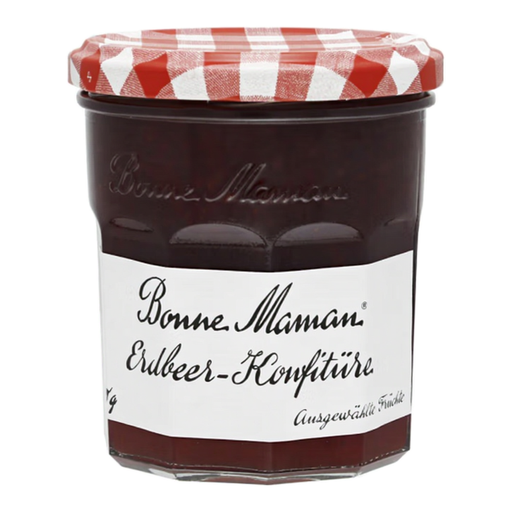
Why This Fits Their Persona: Ideal for those who appreciate an authentic, fruity taste with visible pieces of fruit. The traditional French recipe represents proven quality on the breakfast table.
The Extra Jam designation guarantees a high fruit content of 50g per 100g. The ingredients list is short and clear, with no hidden fillers.
High fruit content of 50%; classic, chunky consistency; simple ingredients (strawberries, sugar, cane sugar, lemon juice concentrate, pectin).
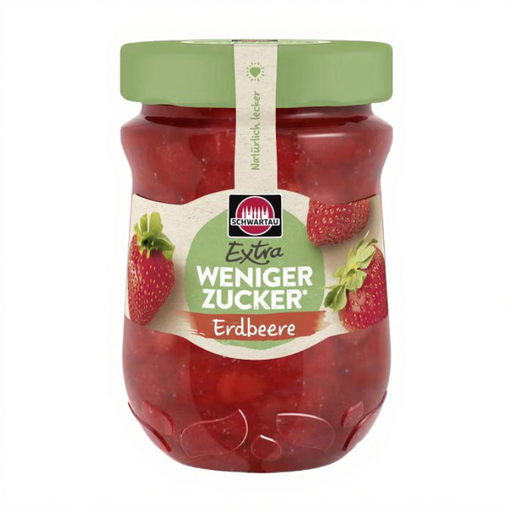
Why This Fits Their Persona: Perfect for anyone who consciously watches their sugar intake but doesn't want to compromise on full fruit flavour. A great balance of sweetness and fruitiness.
This product avoids the "Less Sugar" trap through transparency. According to the manufacturer, it contains 30% less sugar than jams with 54g of sugar/100g, while maintaining a high fruit content of 50%.
Reduced-sugar jam with only 37.4g of sugar per 100g; high fruit content of 50%; no added preservatives, colours, or artificial flavours.
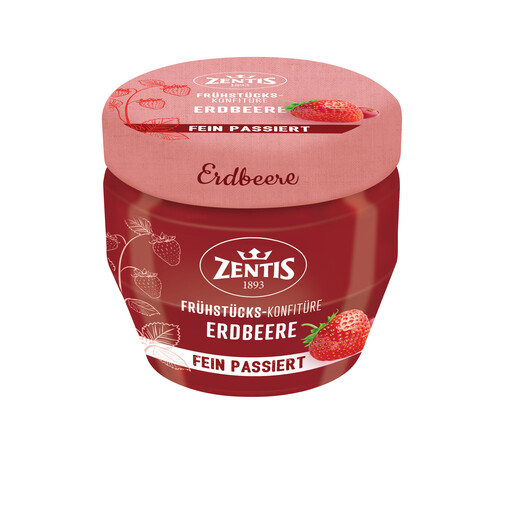
Why This Fits Their Persona: An excellent choice for families, especially those with children who prefer a smooth texture without annoying seeds. Ideal for daily toast or pancakes.
This product delivers exactly what it promises: it's a seedless jam. It avoids the disappointment of finding seeds in a product advertised as "fine" or "smooth."
Completely sieved, velvety-smooth consistency; fruity taste from strawberries and redcurrants; versatile in use.
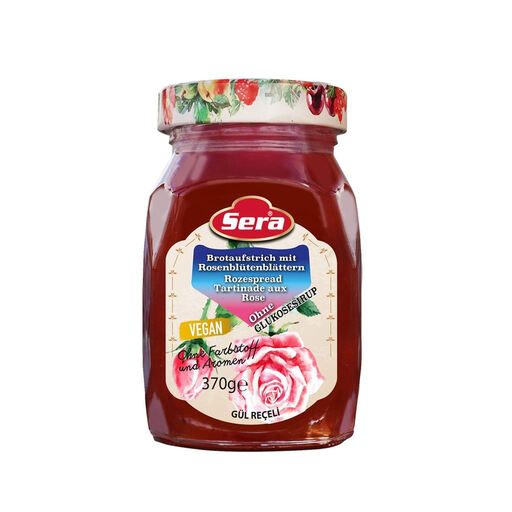
Why This Fits Their Persona: For gourmands looking for something special. This rose jam offers a unique, floral taste experience and is excellent for enhancing desserts, pastries, or yoghurt.
With niche products, there's a risk of vague ingredients. This product clearly lists a high content of 45% rose petals and avoids unclear "flavourings," which speaks to its authenticity.
Exceptional flavour profile; high content of rose petals (45%); versatile for creative cooking; fat-free and salt-free.
We have compiled a complete, up-to-date list of products that fully meet these strict selection criteria and local regulations.
In the EU, the term marmalade is strictly reserved for preserves made from citrus fruits (e.g., orange marmalade). What is colloquially called strawberry marmalade is legally a jam ("Konfitüre"). A jam must have a specific minimum fruit content. A fruit spread is not subject to such a rule, giving manufacturers more freedom in their recipes.
Once opened, jam, marmalade, or fruit spread should always be stored in the refrigerator. Always use a clean spoon to maximise its shelf life. Most manufacturers recommend consuming the product within a few weeks. The high sugar content acts as a preservative, but the quality (taste, colour) will diminish over time.
The most reliable indicator is the designation "Extra Jam," which requires a fruit content of at least 45%. Additionally, you should always check the ingredients list on the back of the jar. The exact fruit content is stated there in percentages, for example, "Prepared with 50g of fruit per 100g."