
Lieferung heute & morgen

Qualitätsgarantie

Willkommens-Angebote freischalten: KOSTENLOSE Lieferung | Bis zu 80 % RABATT | Kostenlose 30-Tage-JoyPlus-Testphase
App herunterladen
If you’re looking to buy a jigsaw, you’ll find a wide choice of designs, piece counts and styles. But children’s jigsaws, adult jigsaws, 3D wooden puzzles and escape-room puzzles differ in more than just design and price. Age recommendations, materials, size and difficulty all affect whether a jigsaw is right for you.
At first glance, a 1,000-piece jigsaw may seem easy to compare with others. But the design, areas of colour, piece shapes and contrast all affect how difficult it is. A landscape with lots of similar shades can be more challenging than a detailed picture with clearly defined outlines.
For children, large, easy-to-handle pieces are often more important than a high piece count. A jigsaw for ages 3+ with 12 or 15 pieces offers a manageable introduction. A children’s jigsaw with 100 XXL pieces, on the other hand, is more suited to children aged 6 and over.
A jigsaw for ages 12+ may not be suitable for younger children because it contains small pieces or has a complex design. Products with small parts also carry a choking hazard warning. Always check the manufacturer’s age recommendation and the safety information on the product page.
A 3D wooden puzzle may have additional requirements. The ROKR Magic Piano is made up of small wooden pieces and, according to the product information, is intended for people aged 14 and over. It’s a decorative model, not a working musical instrument.
Descriptions such as ‘premium’, ‘XXL’ or ‘educational’ don’t tell you much without technical details. Instead, look for information you can check:
For pre-school children, a framed jigsaw with 12 to 15 pieces is a manageable choice. A children’s jigsaw with 100 large pieces may suit children aged 6 and over. Adult jigsaw fans often choose a 1,000-piece jigsaw. Finished sizes can vary considerably: for example, the Ravensburger EXIT Puzzle Kids measures 70 × 50 cm when assembled, while some Schmidt Spiele jigsaws have a smaller finished size.
Before you buy, consider how much table space you have available. A large jigsaw needs a flat, dry surface. If you’re taking a longer break, keep it safe from pets, moisture and accidental knocks.
For cardboard jigsaws, precise cutting, a good thickness of board and a clearly printed image are practical considerations. A linen-textured finish can reduce glare on the surface, but it won’t replace good lighting.
For wooden models, check the material details, any information about the edges and how the model is intended to be handled. According to the product information, the ROKR Magic Piano is made from laser-cut plywood. Due to its small parts and sharp edges, it’s not intended for children under 14.
A classic jigsaw is all about putting a picture together. An EXIT Puzzle adds riddles and a story to the challenge. The Ravensburger EXIT Puzzle Kids ‘Jungle Expedition’ has 368 pieces, a mystery story, a solution envelope, instructions and a QR code. It’s suitable for children aged 9 and over who want to do more than simply put the pieces together and enjoy solving clues too.
A children’s educational jigsaw may feature shapes, colours or matching activities. However, whether it’s suitable depends on the child’s stage of development. Younger children should be supervised, particularly when small pieces are involved.
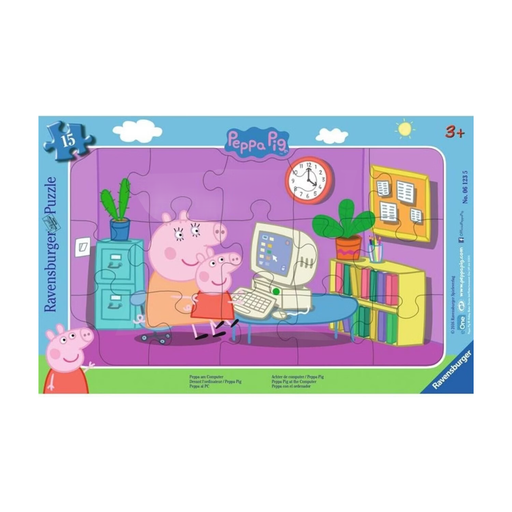
Why it suits this profile: According to the product information, this framed jigsaw is for children aged 3 and over. Its 15 pieces make it a manageable introduction.
The sturdy frame and outlined shapes make it easier to match the pieces, without relying on an overly complex picture.
15 pieces, a sturdy frame and extra-strong material according to the product description; no batteries needed.
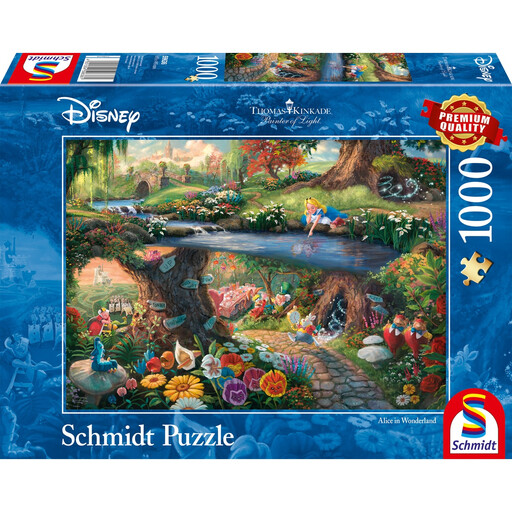
Why it suits this profile: This Disney design by Thomas Kinkade Studios combines 1,000 pieces with a richly detailed image for adults aged 12 and over.
The product information clearly states the piece count, age recommendation, material, surface finish and finished dimensions.
Linen-textured finish, matt surface, precisely cut pieces and a Disney theme, according to the manufacturer.
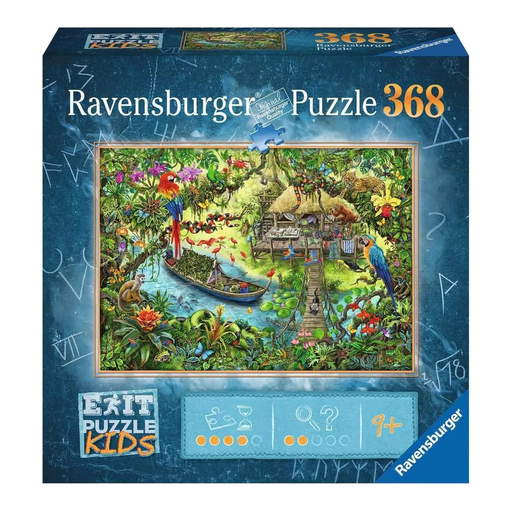
Why it suits this profile: The combination of a jigsaw and a puzzle-solving challenge is suitable for children aged 9 and over, and makes a great activity for the whole family.
The product description gives more than just the piece count: it also explains the story, clues and QR code.
368 pieces, a finished size of 70 × 50 cm, plus mystery elements and a solution envelope.
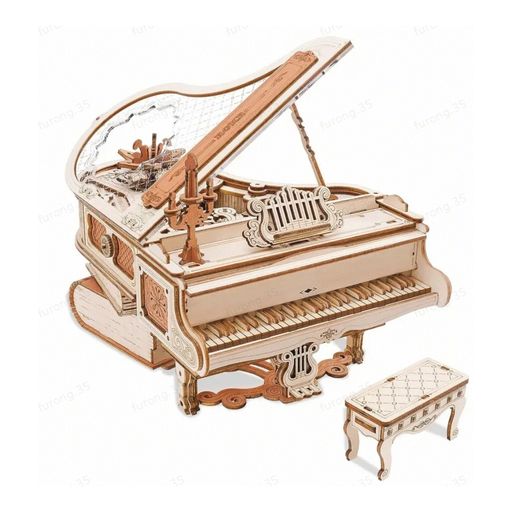
Why it suits this profile: According to the product information, this DIY model is for teenagers aged 14 and over and adults looking for a decorative object to assemble.
It’s clearly described as a decorative model, not a musical instrument, so you can be realistic about how it’s intended to be used.
223 wooden pieces, laser-cut plywood and a movable piano lid, according to the product description.
We’ve put together a complete, regularly updated list of products that meet these strict selection criteria and fully comply with the safety regulations in force in the EU.
Framed jigsaws with 12 to 15 pieces may be suitable for children aged 3 and over, as long as this is confirmed by the manufacturer. Large, sturdy pieces and outlined shapes make it easier to get started. Keep jigsaws with small parts out of reach of younger siblings.
That depends on the design and your previous experience. Clear areas of colour, distinctive outlines and a good picture guide can make it easier to get started. Similar shades or large areas of a single colour mean more sorting. A sorting tray and plenty of space are useful when doing a 1,000-piece jigsaw.
Sort the pieces into shallow containers or resealable bags, and keep the box with the picture. Store cardboard jigsaws in a dry place away from direct sunlight. For a 3D wooden puzzle, choose a dry, stable spot and use a soft brush to remove dust.