
Lieferung heute & morgen

Qualitätsgarantie

Willkommens-Angebote freischalten: KOSTENLOSE Lieferung | Bis zu 80 % RABATT | Kostenlose 30-Tage-JoyPlus-Testphase
App herunterladen
As a Joybuy Product Recommendation Officer, my role is to provide you with clear, factual information to help you make informed purchasing decisions. The market for Korean foods is growing, and ready-made kimchi is particularly popular. However, not every product lives up to its promise. This guide will help you avoid the common pitfalls and find the right kimchi for your needs.
Many buyers focus solely on price or packaging, which can lead to disappointment. Pay attention to the following three points to avoid a purchase you'll regret.
To find the right product, you should check three core aspects. These will help you objectively assess the quality and suitability of a kimchi.
The ingredient list is your most important guide. Specifically look for terms like fish sauce (anchovies), shrimp paste, or crustaceans if you want a purely plant-based product. Products labelled as vegan kimchi explicitly omit these animal-based ingredients. A well-known example of a brand offering vegan options is bibigo Kimchi. Also, watch out for additives like the flavour enhancer E621 (monosodium glutamate) if you prefer to avoid it.
The base of the kimchi largely determines its texture and flavour.
The origin can be an indicator of the flavour profile. Kimchi from Korea is often made using traditional methods, resulting in a more complex, evolving taste. Brands like Jongga Kimchi or Bibigo are known for this. The packaging (can, jar, or pouch) affects handling and storage. Cans and jars are sturdy and resealable, while pouches are often more space-efficient.
Here are a few options from our range, tailored to different needs.
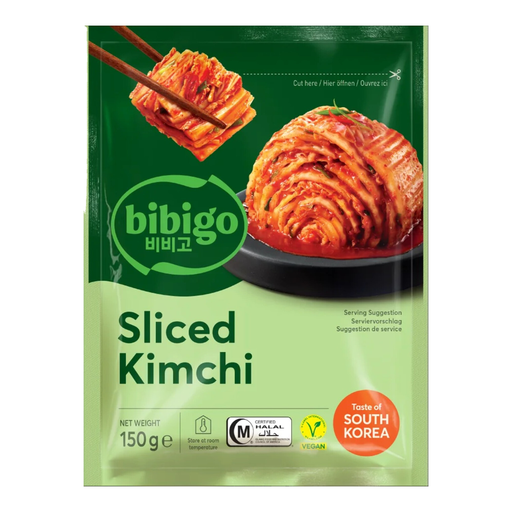
Why This Fits Their Persona: Ideal for anyone following a purely plant-based diet. This product is explicitly labelled as 100% vegan and halal-certified, and comes from a well-known Korean brand.
Solves the problem of hidden animal ingredients. The clear "vegan" label makes checking the ingredient list simple and secure.
Authentic flavour without fish sauce. Shelf-stable and cut into convenient, bite-sized pieces.
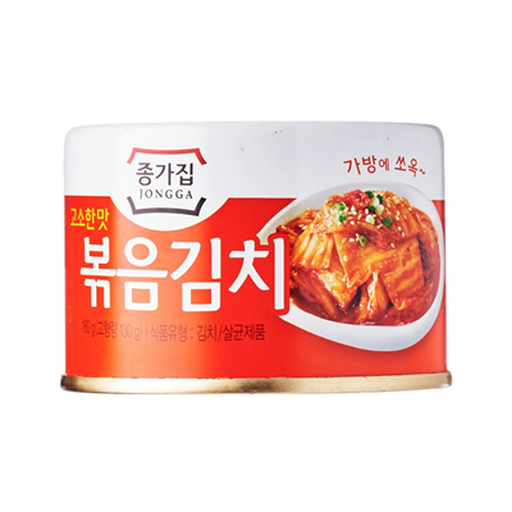
Why This Fits Their Persona: For connoisseurs seeking a traditional flavour profile. Jongga is one of the leading brands from Korea. The "roasted" version offers a deeper, umami-rich flavour.
Choosing an established brand like Jongga ensures a consistent and authentic taste experience. The ingredient list is transparent, explicitly mentioning anchovies and shrimp.
Unique roasted flavour that stands out from standard kimchi. Convenient can size for immediate consumption.
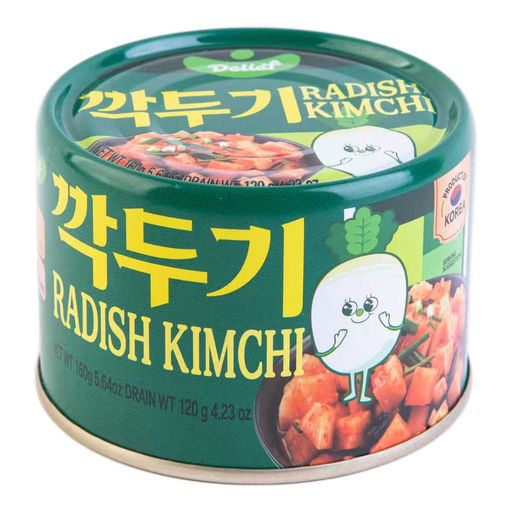
Why This Fits Their Persona: Perfect for anyone wanting to look beyond classic napa cabbage kimchi. This radish kimchi offers a refreshingly crunchy texture and a spicy-sour taste.
Directly addresses the pitfall of only knowing one type of kimchi. The clear product name "Radish Kimchi" makes it obvious that this is an alternative to napa cabbage.
Very crunchy, cubed pieces that hold their texture well. An exciting change of pace as a side dish or in stews.
We have compiled a complete, up-to-date list of products that fully meet these strict selection criteria and local regulations.
A: The shelf life depends on the type of kimchi. Shelf-stable kimchi in cans or pouches should be transferred to a clean, sealable container after opening, stored in the refrigerator, and typically consumed within a few days to a week. Refrigerated kimchi lasts longer but continues to ferment in the fridge. Its flavour will become more intense and sour over time. Always follow the manufacturer's instructions on the packaging.
A: No, although both are fermented vegetables, there are significant differences. Sauerkraut is typically made from only white cabbage and salt and has a mild, sour taste. Kimchi, on the other hand, is seasoned with a variety of spices like chili powder (Gochugaru), garlic, ginger, and often fish sauce. This gives it a more complex, spicier, and often hotter flavour profile. If you're interested in a comparison, buying sauerkraut can be a worthwhile way to taste the differences for yourself.
A: Many of the internationally known brands produce directly in South Korea to ensure an authentic product. These include Jongga and bibigo, among others, which are known for their traditional production methods and consistent quality. A look at the packaging or product description will usually reveal the country of origin.