
Same-day & Next-day Delivery

Quality Guaranteed

Unlock Your Welcome Offers: FREE Delivery | Up to 80% OFF | Free 30-day JoyPlus trial
Download the APP
Konjac jelly has evolved from a niche Asian product into a mainstream snack. It's gaining popularity, especially among health-conscious consumers looking for a light sweet treat. However, the market is crowded, and not every product marketed as "healthy" delivers on its promise. Before you buy konjac jelly, it's helpful to know the most common pitfalls to make an informed decision.
As your Joybuy Product Recommendation Officer, I'm here to help you see through the marketing claims and find the products that truly fit your needs.
The growing popularity of Asian sweets has led to an overwhelming selection. Many buyers only realise after their purchase that the product doesn't meet their expectations. Here are two typical problems:
To avoid disappointment, you should check three core parameters. These will help you objectively assess the quality and suitability of a konjac jelly.
The type of sweetener is the deciding factor for a truly low-calorie snack.
The gelling agent used determines the consistency and whether the product is suitable for certain diets.
Konjac jellies often originate from Japan or Korea and come in various formats suitable for different occasions.
Here are some recommendations tailored to different needs, taking the above criteria into account.
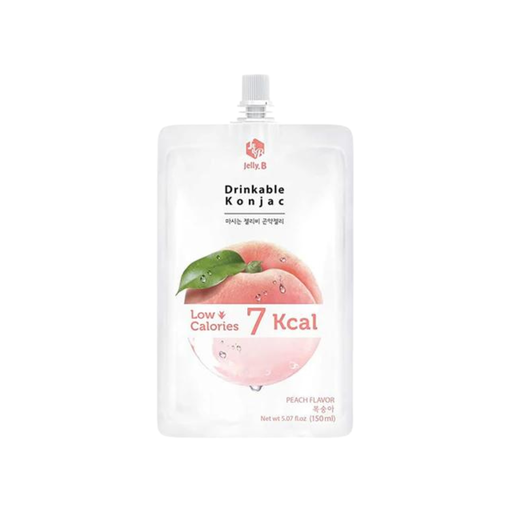
Why This Fits Their Persona: Ideal for anyone strictly monitoring their calorie intake. This Korean jelly is an excellent choice for a diet-friendly lifestyle without having to give up a sweet treat.
It consistently bypasses the sugar trap by using Erythritol as a sweetener. The result is a snack with only 7 calories per 150 ml pouch and 0 g of sugar.
Extremely low-calorie and sugar-free. The practical squeeze pouch format with a resealable cap makes it perfect for on the go.
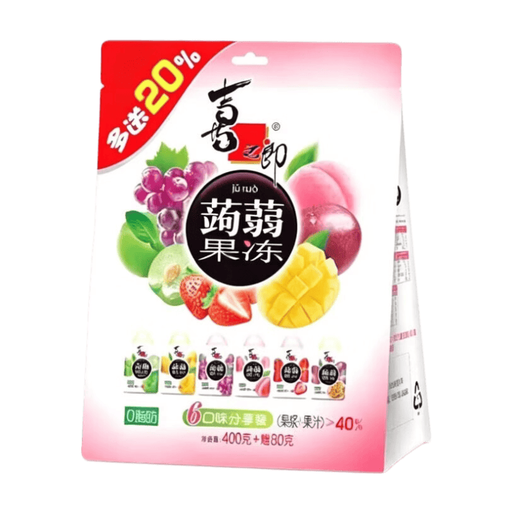
Why This Fits Their Persona: For those who prioritise a real, intense fruit flavour over the lowest possible calorie count. This sharing pack also offers a variety of flavours.
This product is transparent about its ingredients. While it contains sugar, it justifies this with a high fruit content of ≥40% (according to the manufacturer), which ensures a natural taste.
High fruit content for an authentic taste experience. The pack contains six different flavours, ideal for sharing and sampling.
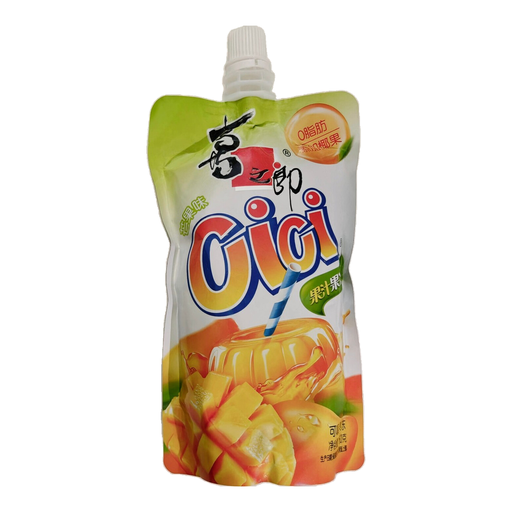
Why This Fits Their Persona: Perfect for people with an active lifestyle who need a hassle-free, refreshing snack for work, after a workout, or while travelling.
This product is designed as a jelly drink. The spout design is engineered for maximum convenience, eliminating the need for utensils and the risk of spills common with cups.
Drinkable jelly format for clean and easy consumption. The individual packaging is hygienic and ideal for mobile use.
We have compiled a complete, up-to-date list of products that fully meet these strict selection criteria and local regulations.
1. Does konjac jelly need to be refrigerated? Most konjac jellies are shelf-stable and do not require refrigeration before opening. Storing them in a cool, dry place is sufficient. However, many find them more refreshing when eaten chilled. After opening, the product should be stored in the refrigerator and consumed quickly. Always follow the storage instructions on the packaging.
2. Is konjac jelly suitable for a vegan diet? Yes, in most cases. Konjac jelly based on konjac flour (glucomannan) is entirely plant-based. However, it's crucial to check the ingredients list, as some products may contain gelatin (from animal sources) or dairy components. Products labelled as a vegan snack offer a safe bet.
3. What is the difference between konjac jelly and regular fruit jelly? The main difference lies in the gelling agent. Konjac jelly uses powder from the konjac root, which gives it a unique, often firmer and more chewy texture. It is also rich in dietary fibre (glucomannan) and typically very low in calories. Conventional fruit jelly is often based on gelatin or pectin and has a softer, more wobbly consistency.