
Same-day & Next-day Delivery

Quality Guaranteed

Unlock Your Welcome Offers: FREE Delivery | Up to 80% OFF | Free 30-day JoyPlus trial
Download the APP
Konjac noodles, also known as shirataki noodles, are made from the konjac root and are often marketed as a low-calorie alternative to wheat or rice noodles. They may appeal to you if you follow a low-carb, keto, vegan or gluten-free diet. However, products can vary significantly in their ingredients, nutritional values, preparation and storage requirements.
If you focus only on terms such as ‘0 kcal’, ‘High Fiber’ or ‘Premium’, you could miss important details. That’s why our selection is based on clear information in the product descriptions: ingredients, nutritional values, allergens, pack size and preparation time.
Many products are made mainly from water and konjac flour. Others also contain sweet potato starch, rice, oats, soya, milk powder or modified starch. As a result, carbohydrate values can vary considerably.
For comparison, according to the product information, Hethstia Konjac Noodle Fettuccine contains 6 kcal and 1.3 g of carbohydrates per 100 g. DSKONYAKU Premium Konjac Raw Noodles, on the other hand, are listed as containing 28 kcal and 7.8 g of carbohydrates per 100 g. So when choosing keto or low-carb noodles, check the specific nutritional table rather than relying on the product name alone.
A pure konjac product may contain no gluten-containing ingredients. But that isn’t true of every konjac noodle alternative. According to the product information, Hethsita Konjac Noodle Oat Rice contains oats and is labelled as containing gluten. Products containing soya, milk or mustard may also be unsuitable for some diets.
If you have allergies, check the full ingredients and allergen list before buying. If you follow a vegan diet, check for milk ingredients, stock and seasoning sauces too. The term ‘Asian noodles’ alone tells you nothing about allergens or whether a product is suitable for a particular diet.
Konjac noodles are often packaged in water. They may have a distinctive smell after opening, so many varieties need to be drained and rinsed thoroughly under running water before use. Depending on the product, you may then need to blanch them, boil them briefly or heat them in a dry frying pan.
It’s also important to check how soon an opened pack needs to be used. Some products should be eaten straight away, while others can be refrigerated for 24 hours or a few days. Always follow the instructions on the individual pack.
If you want noodles that are as low in carbohydrates as possible, products with a short ingredients list are easier to assess. They often contain just water, konjac flour and an acidity regulator or firming agent. If a product also contains oats, rice, potato or sweet potato starch, check the nutritional table carefully.
The same criteria apply to konjac rice. It may be shaped like rice, but the recipe can still contain additional grains or starches.
Check:
You can only make a meaningful comparison between products if the figures use the same basis. For a ready meal with sauce, remember to include the calories from the sauce, oil and any other ingredients in the meal total.
Fettuccine, fine shirataki noodles, udon-style noodles, noodle sheets and knots are suited to different dishes. Wide noodles work well with rich sauces, while finer varieties are good in soups or salads. Noodle sheets can be used in hotpot, stir-fries or cold dishes.
For everyday use, it’s also worth checking whether a product is ready to use or needs cooking. Pack sizes range from 180 g to 400 g, or 380 g and above, which may affect how you plan your portions.
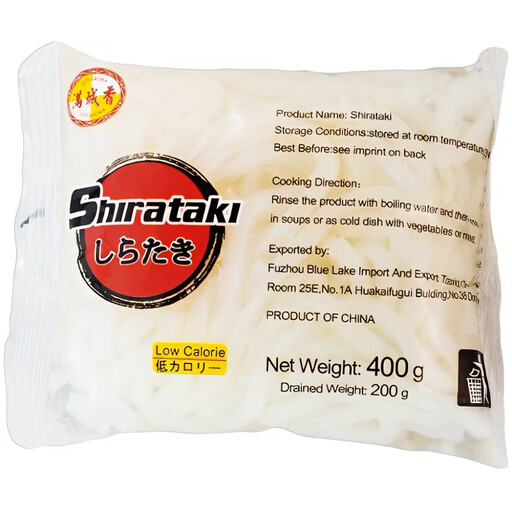
Why this product suits this profile: The 400 g pack is a practical size for making several meals. According to the product information, the noodles contain 9.5 kcal and 1.5 g of carbohydrates per 100 g.
The ingredients, allergens and nutritional values are clearly specified, making it easier to compare this variety with other shirataki noodles.
Round udon shape, mild flavour and suitable for soups or cold dishes. No allergens are listed.
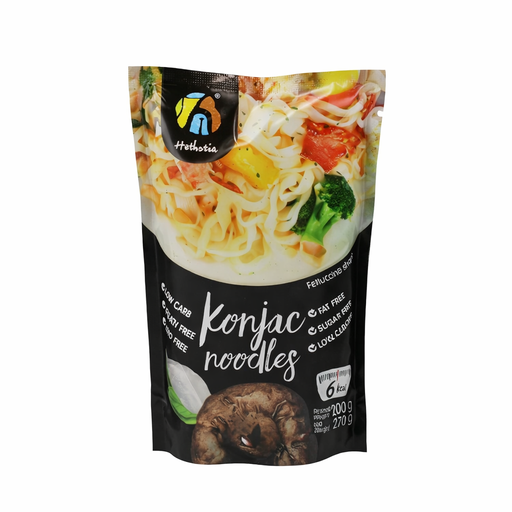
Why this product suits this profile: The flat fettuccine shape works well with sauces, stir-fries and soups. The product is listed as containing 6 kcal and 1.3 g of carbohydrates per 100 g when prepared.
The ingredients list includes water, konjac powder and citric acid. No allergens are listed, making it easier for many shoppers to check whether the product is suitable for them.
A very short ingredients list, labelled vegan and versatile. Drain and rinse two or three times before serving.
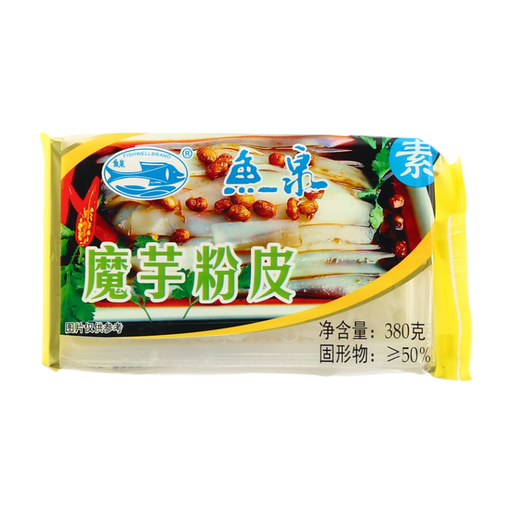
Why this product suits this profile: The noodle sheets are suitable for hotpot, soups, cold dishes and stir-fries. They’re listed as containing 12 kcal and 2.5 g of carbohydrates per 100 g.
The preparation instructions are clear: drain, blanch for one to two minutes, then drain again. Once opened, the product should be refrigerated and used promptly.
A 380 g pack, no listed allergens and a shape that works in a range of Asian dishes.
We’ve put together a complete, regularly updated list of products that meet these strict selection criteria and fully comply with the safety regulations in force in the EU.
Konjac noodles absorb flavours from stock and sauces. The overall nutritional profile of your dish therefore depends heavily on the oil, coconut milk, ready-made sauce, salt and other ingredients you use. If you’re watching your calorie intake, it’s not just the noodles themselves that matter.
It depends on the specific recipe and portion size. Varieties with very low carbohydrate values may fit into a low-carb diet. Products containing oats, rice, sweet potato starch or other sources of starch should be checked against the nutritional table.
This varies by product. Some varieties should be eaten straight away, while others should be used within 24 hours or a few days. Once opened, store them in the fridge as directed on the pack. If you’re unsure, follow the manufacturer’s instructions.
Konjac noodles packed in water may have a distinctive smell when first opened. Rinsing them thoroughly and heating them briefly often helps to reduce it. As the noodles themselves have a mild flavour, the finished dish is shaped mainly by the stock, sauce, vegetables and seasonings.