
Lieferung heute & morgen

Qualitätsgarantie

Willkommens-Angebote freischalten: KOSTENLOSE Lieferung | Bis zu 80 % RABATT | Kostenlose 30-Tage-JoyPlus-Testphase
App herunterladen
Korean cuisine is enjoying growing popularity in the UK. From spicy kimchi to hearty stews, the flavours are diverse and fascinating. But anyone trying to recreate these dishes at home often faces a challenge: shopping for the right ingredients. The market for Korean groceries can be confusing, and not every product that looks authentic delivers the desired taste.
As your Joybuy Product Recommendation Officer, I'm here to help you separate the wheat from the chaff. In this guide, I'll show you how to avoid common purchasing pitfalls and specifically select the products you need for a successful cooking experience.
Many home cooks invest in products that don't meet their expectations. This is often due to subtle but crucial differences that are difficult for the uninitiated to spot.
To avoid disappointment, you should focus on a few core features. These will help you objectively assess a product's quality and suitability.
The heart of many Korean dishes are the fermented pastes. The three most important are Gochujang (chilli paste), Doenjang (soybean paste), and Chunjang (black bean paste).
Not all Korean chilli powder is the same. Making the right distinction is crucial for the success of many recipes.
So, if you want to cook authentic Korean food, selecting the right grind is an important step.
To help you get started, we have selected a few products from our range that are suitable for different needs and experience levels.
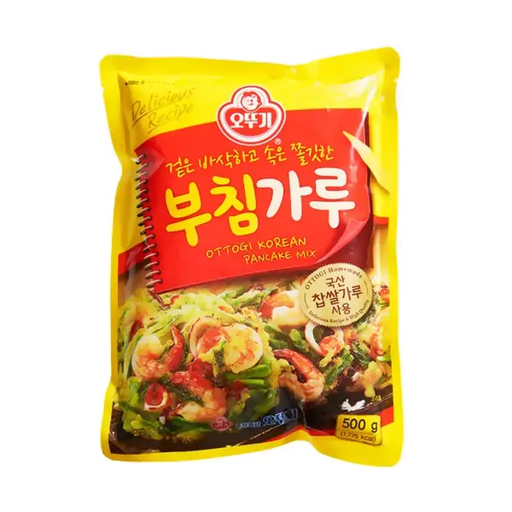
Why This Fits Their Persona: Ideal for beginners who want to prepare a popular Korean dish without much effort. The mix is already seasoned and only requires the addition of water and any ingredients like spring onions or seafood.
This ready-made mix from an established Korean brand bypasses the problem of a beginner choosing the wrong flour or spice ratio. It provides a reliable and authentic flavour base.
Simple to prepare; versatile for various types of savoury pancakes (Pajeon).
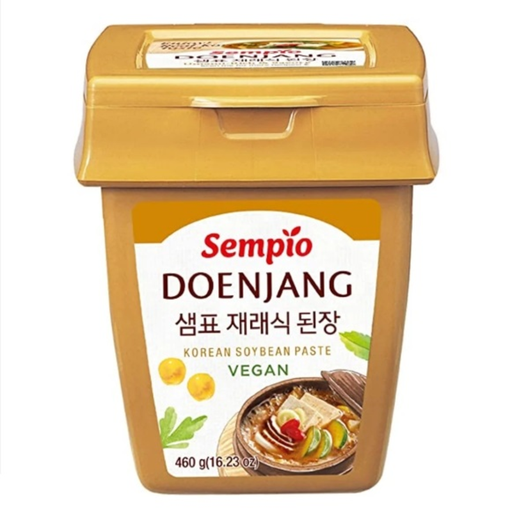
Why This Fits Their Persona: For cooks who want to achieve the deep, complex umami flavour of dishes like Doenjang-jjigae (soybean paste stew). This paste is an indispensable core ingredient.
This product from Sempio, a renowned Korean manufacturer, is based on a traditional fermentation process. It's not a quickly made "style" paste, but delivers the genuine, robust flavour.
Made from selected soybeans for an intense aroma; essential for a variety of classic Korean stews and sauces.
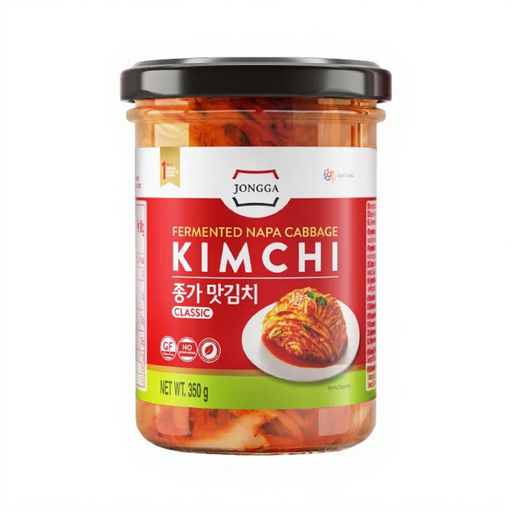
Why This Fits Their Persona: Perfect for anyone who wants to enjoy the authentic taste of kimchi without the effort of making it themselves. Ideal as a side dish, in stews (Kimchi-jjigae), or with fried rice.
Jongga is a leading brand for kimchi in Korea. This product is authentically fermented, not just spicy pickled cabbage. It offers the complex, sour taste that comes from natural probiotics.
Ready to eat and versatile; the convenient can packaging allows for long, unrefrigerated storage in the pantry.
We have compiled a complete, up-to-date list of products that fully meet these strict selection criteria and local food regulations.
1. What are the essential pantry staples for Korean cuisine? For a solid start in Korean cooking, a basic set of ingredients is recommended. This includes: Gochujang (chilli paste), Doenjang (soybean paste), Ganjang (soy sauce), toasted sesame oil, and Gochugaru (chilli powder). With these five ingredients, you can already prepare a wide variety of dishes.
2. How do I properly store fermented Korean pastes like Gochujang and Doenjang? After opening, these pastes should be stored tightly sealed in the refrigerator. This slows down the fermentation process and preserves their freshness and flavour. It is advisable to always use a clean spoon to scoop them out to avoid contamination.
3. Can I make kimchi myself, and what do I need for it? Yes, making kimchi at home is a rewarding project. The main ingredients are napa cabbage, salt for brining, a paste made from coarse Gochugaru (chilli flakes), garlic, ginger, fish sauce, and, depending on the recipe, other vegetables like daikon radish or spring onions. The most important step is selecting the right coarse chilli powder for the authentic colour and texture.