
Lieferung heute & morgen

Qualitätsgarantie

Willkommens-Angebote freischalten: KOSTENLOSE Lieferung | Bis zu 80 % RABATT | Kostenlose 30-Tage-JoyPlus-Testphase
App herunterladen
Legumes are a pantry staple. They are nutritious, long-lasting, and versatile. Yet, when it comes to buying legumes, you're often faced with an overwhelming selection. The choice between dried and canned goods, or among different varieties and brands, can be difficult. Unclear labelling or marketing promises often lead to a purchase that doesn't meet your expectations.
This guide will help you navigate the common pitfalls and make an informed decision that suits your cooking style and needs.
Common Pitfalls When Buying Legumes:
To avoid a poor purchase, you should check three key aspects. These will help you objectively evaluate product quality and find the right legumes for your kitchen.
The choice between dried and pre-cooked legumes depends on your time constraints and culinary preferences.
A close look at the label is essential, especially if you use legumes as a vegan protein source.
Not every bean is suitable for every dish. The variety determines the texture and flavour.
Here you will find some product recommendations tailored to specific needs that meet the quality criteria mentioned above.
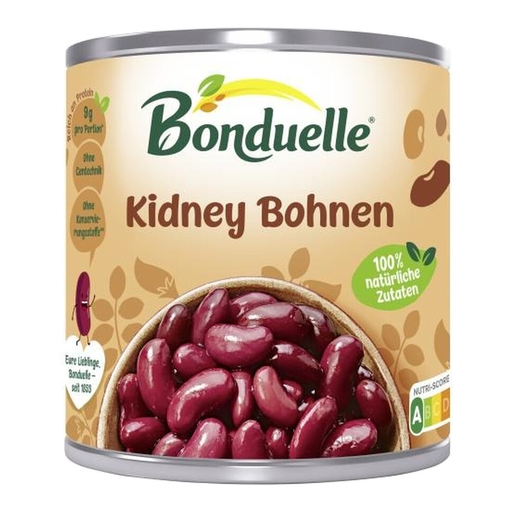
Why This Fits Their Persona: Ideal for people with little time who don't want to sacrifice a nutritious meal. The kidney beans are already cooked and can be used straight from the can for salads, wraps, or a quick chili sin carne.
This product avoids the canned goods trap with transparent labelling. According to the manufacturer, it contains no preservatives and has a Nutri-Score of A, indicating a balanced nutritional profile.
High in protein (7.2 g/100 g) and fibre (6 g/100 g). The beans are firm to the bite and versatile.
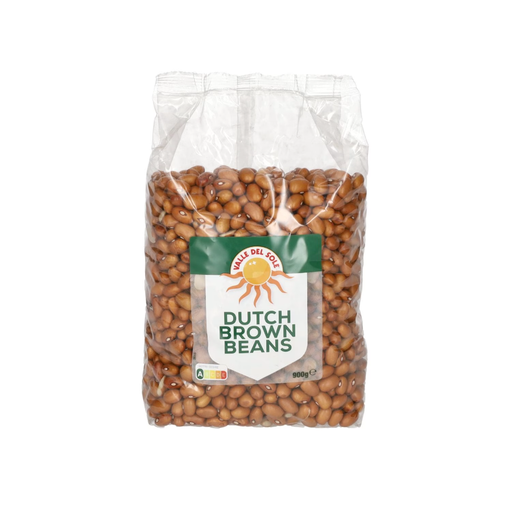
Why This Fits Their Persona: Perfect for price-conscious and health-conscious consumers who like to cook in bulk. The 900g package provides a long-lasting and cost-effective base for numerous meals like stews or salads.
As a dried product, it completely avoids the trap of hidden additives. You have full control over salt and spices. The clear product name "100% Brown Beans" prevents any confusion about the contents.
Very high in protein (21.4 g/100 g) and fibre (15.5 g/100 g). The large package offers excellent value for money.
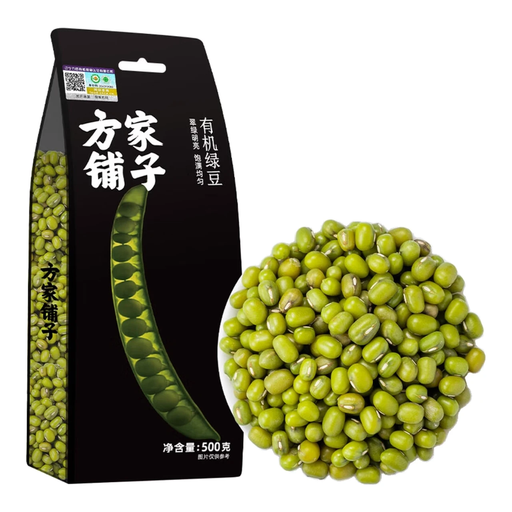
Why This Fits Their Persona: These organic mung beans are a key ingredient in many Asian dishes, from soups and curries to desserts or even homegrown mung bean sprouts. They are ideal for adventurous cooks.
The organic certification provides a reliable quality standard, bypassing the trap of meaningless marketing terms. The detailed preparation instructions for various dishes also prevent user error.
100% organic mung beans with no additives. According to the manufacturer, the thin skin ensures a relatively short cooking time and a pleasant texture.
We have compiled a complete, up-to-date list of products that fully meet these strict selection criteria.
When stored correctly—cool, dry, and dark in an airtight container—dried legumes have a virtually indefinite shelf life. However, after one to two years, their cooking time may increase and their colour may fade slightly. The best-before date on the packaging serves as a guide for optimal quality.
It is recommended to rinse legumes from cans or jars in a sieve under running water before use. This removes most of the salt and starch from the canning liquid. This not only improves the nutritional profile but often the flavour of the dish as well.
Legumes are an excellent vegan protein source. They contain many essential amino acids. To achieve a complete amino acid profile, it is wise to combine them with grains like rice, bread, or pasta throughout the day. This combination ensures that the body receives all the building blocks it needs to create its own protein.