
Lieferung heute & morgen

Qualitätsgarantie

Willkommens-Angebote freischalten: KOSTENLOSE Lieferung | Bis zu 80 % RABATT | Kostenlose 30-Tage-JoyPlus-Testphase
App herunterladen
The selection of liqueurs is vast, and ordering spirits online can quickly become overwhelming. Colourful labels and tempting descriptions make it difficult to make an informed decision. Many buyers only realise after opening the bottle that the product doesn't meet their expectations. To help you avoid such disappointments, we'll highlight some common pitfalls and show you what to look for when buying liqueur.
Before you make a decision, it's helpful to know three common marketing traps that often lead to an unsatisfying purchase.
To find the right liqueur for your occasion, you should check three objective criteria. These will help you better assess the quality and character of a spirit.
The production method has a decisive influence on the taste. The most important processes are:
The base spirit (e.g., grain alcohol, whiskey, rum, or baijiu) forms the foundation of the flavour. A cream liqueur based on Irish whiskey like Baileys has a completely different character than a fruit liqueur based on a clear sorghum distillate.
The alcohol content is a good indicator of the liqueur's ideal use:
The origin often provides clues about the style. An Italian liqueur like Limoncello represents Mediterranean freshness, while German herbal liqueurs often have long traditions and complex recipes. Cream liqueurs from Ireland are known worldwide for their creaminess. Those who are adventurous can also discover spirits from other cultures, such as the Chinese Baijiu, which is also offered in modern liqueur variations.
To make your choice easier, we have matched some products to different requirement profiles.
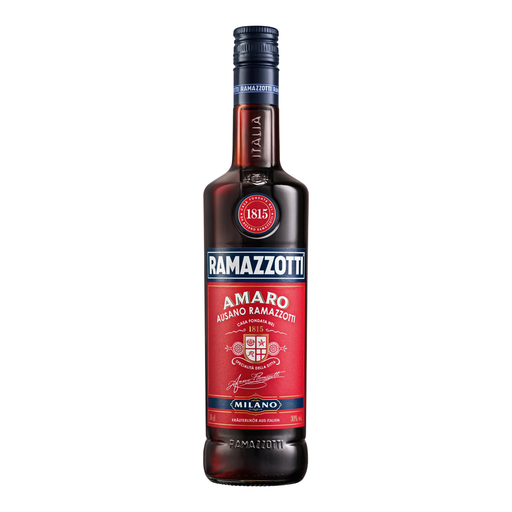
Why this product is a great fit: As a classic Italian digestif, Ramazzotti is a reliable choice to conclude a shared meal. Its balanced character appeals to many tastes and signals hospitality with style.
Instead of excessive sweetness, this amaro offers a bittersweet, complex flavour profile based on a recipe of 33 different herbs. The quality comes from the ingredients, not the sugar.
Balanced flavour from star anise, ginger, and gentian root. Versatile enjoyment: neat, on the rocks, or with a splash of lemon.
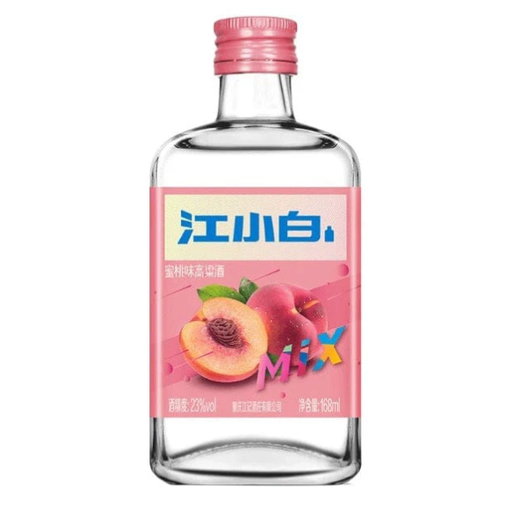
Why this product is a great fit: For anyone looking to venture beyond European spirits. This product offers an accessible introduction to the world of Chinese baijiu, combined with the familiar taste of peach.
This isn't just advertised with 'flavouring'. According to the manufacturer, the liqueur consists of at least 35% fruit juices, which ensures an authentic and fresh taste, sidestepping the 'natural flavouring' trap.
A unique combination of traditional Chinese sorghum spirit and fruit juice. At 23% ABV, it's lighter than classic baijiu and ideal for refreshing mixed drinks.
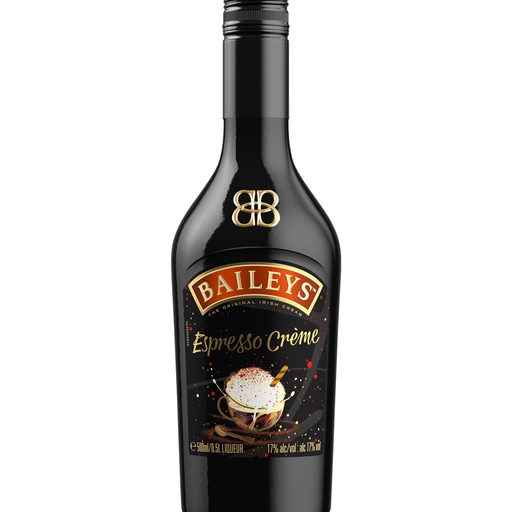
Why this product is a great fit: A modern twist on a classic for those who love the taste of coffee and chocolate. Ideal as a complement to dessert, in coffee, or simply neat on the rocks for a moment of relaxed indulgence.
This product is not a vague 'all-rounder'. It has a clearly defined flavour profile—espresso and cream—and delivers on that promise precisely. You buy it specifically for this enjoyment, thus avoiding the false versatility trap.
Combines the renowned Baileys cream liqueur with the aroma of Colombian coffee. The base of Irish whiskey and cream ensures high product quality.
We have compiled a comprehensive, up-to-date list of products that fully meet these selection criteria and comply with current regulations.
Most liqueurs, especially herbal and fruit varieties, should be stored upright in a cool, dark place to preserve the quality of their flavours. Cream liqueur and egg liqueur are exceptions: they should be refrigerated after opening and consumed within a few months, as the dairy or egg content can spoil. Always follow the instructions on the label.
An aperitif is served before a meal. It is intended to stimulate the appetite and is usually lighter, often with bitter or fruity-sour notes (e.g., Aperol Spritz, Campari Soda). A digestif is served after a meal. It is typically stronger, sweeter, or more herbaceous and is meant to promote a sense of well-being (e.g., an amaro like Ramazzotti or a herbal liqueur like J?germeister).
Many liqueurs are excellent for enhancing dishes. Cream liqueurs like Baileys or fruit liqueurs like Limoncello and orange liqueur are popular ingredients in desserts, cakes, and creams. Nut and coffee liqueurs also pair well with sweet dishes. For savoury meals, herbal liqueurs can add a special flavour note to sauces. It's advisable to start with small amounts to adjust the flavour intensity.