
Lieferung heute & morgen

Qualitätsgarantie

Willkommens-Angebote freischalten: KOSTENLOSE Lieferung | Bis zu 80 % RABATT | Kostenlose 30-Tage-JoyPlus-Testphase
App herunterladen
If you want to buy a lychee drink, you will find plenty of cans, bottles, cartons and concentrates online. However, products can vary significantly in fruit content, sugar content, pack size and texture. A lychee drink may be a clear fruit drink, while Mogu Mogu Lychee also contains pieces of nata de coco.
Our guide helps you read product descriptions objectively and avoid common buying mistakes. It is not just the tropical packaging design that matters, but the balance between ingredients, serving size and intended use.
The names “lychee”, “lychee drink” or “lychee juice” do not automatically indicate a high lychee juice content. Depending on the product, water, sugar, fructose, flavourings or acidity regulators may make up a larger proportion. Checking the ingredients list and the quantitative fruit-content declaration provides clarity.
For comparison: FOCO Lychee Drink 350 ml is listed as containing 30% lychee juice. Rubicon ClassicLychee Delu 1 l contains 14% lychee juice, according to the product information. Both products belong to the fruit-drink category, but they are aimed at different expectations regarding the recipe.
Many lychee juice varieties contain sugar or fructose. The nutrition table shows how much sugar is contained in 100 ml. A drink containing 12 g of sugar per 100 ml adds up to 36 g in a 300-ml can. For a fair comparison, you should therefore always use the same reference quantities.
A sugar-free lychee drink is a separate product category. Best Body Nutrition Vital Drink Zero is not a ready-to-drink juice, but a concentrate with a mixing ratio of 1:80. It is diluted with water and, according to the product information, must not be consumed undiluted.
Mogu Mogu Lychee and other products described as lychee drink with nata de coco contain pieces of coconut gel. This creates a chewy element, but it is not comparable with a clear lychee juice. If you are looking for a drink to have with a meal or to drink quickly, check whether this texture is what you want.
For products containing coconut ingredients, you should also check the allergen information on the packaging. Claims relating to vegan, vegetarian, halal or other dietary requirements should always be checked against the current product labelling.
Pay attention to the order of the ingredients: the ingredient listed first is present in the greatest quantity. The declared lychee juice or lychee purée content is also relevant. For mixed drinks containing tea, passion fruit or peach, check which flavour is actually the main focus.
The information per 100 ml allows for a fair comparison between a 250 ml lychee juice can, a 320-ml bottle and a 1-litre carton. For everyday use, the total serving size is also important. In particular, check:
A can is suitable for individual consumption and usually needs to be consumed soon after opening. A carton such as Rubicon ClassicLychee Delu 1 l is more practical for serving several glasses at home. Multipacks are particularly worthwhile if you already know that you like the flavour and have enough storage space.
After opening, follow the instructions on the label. Chilled storage and consumption within a short period are often recommended. Depending on the product, the best-before date can be found on the can, bottle, carton or base.
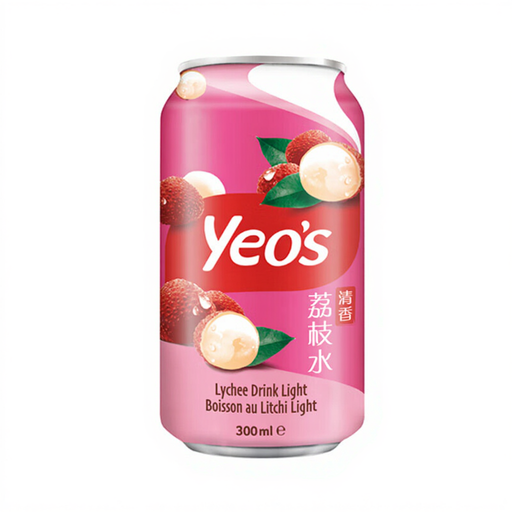
Why this product suits this profile: The 300-ml can is a manageable individual serving for anyone who wants to try a lychee drink for the first time.
The clearly stated fill quantity makes portion planning easier, rather than leaving you with a large pack before you know whether you like the flavour.
Individual 300-ml can; according to the product description, intended as a chilled fruit drink for everyday use and meals.
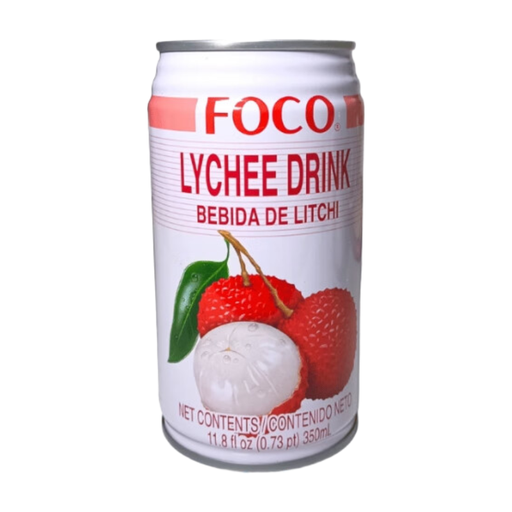
Why this product suits this profile: The product information states that it contains 30% lychee juice and comes in a 350-ml can, making it suitable for consumers who want to compare fruit content carefully.
The declared juice content is a verifiable measure, rather than relying solely on tropical imagery and marketing language.
350 ml fill quantity; 30% lychee juice according to the product data; ingredients include water, lychee juice, sugar and citric acid.
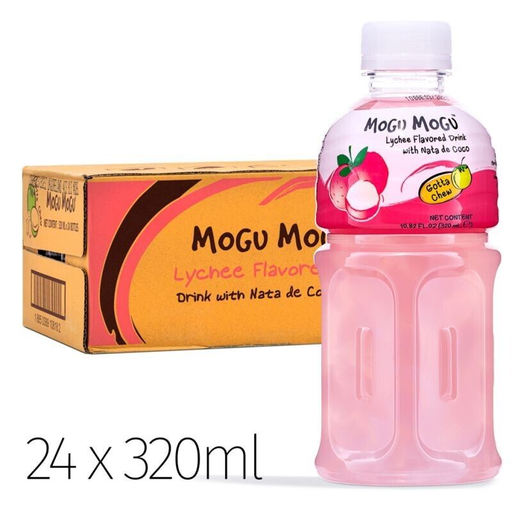
Why this product suits this profile: The multipack of 24 bottles is ideal for households, offices or parties with regular demand.
The pack size is clearly stated, making it easier to match your supply to your consumption and available storage space.
24 bottles, each containing 320 ml; nata de coco pieces provide a chewy texture; suitable for serving chilled.
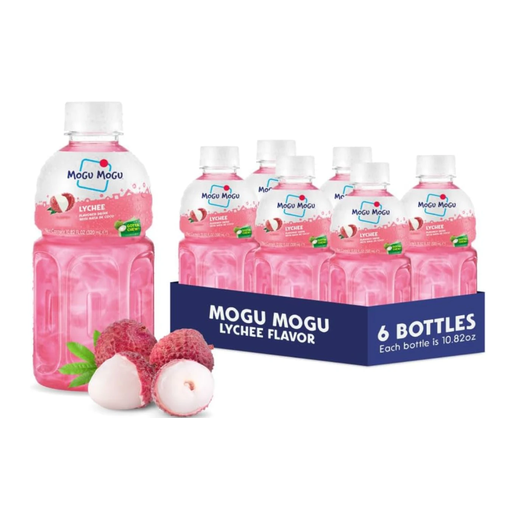
Why this product suits this profile: The six-pack is ideal for anyone who prefers the combination of lychee flavour and coconut gel in several individual servings.
The product name explicitly mentions nata de coco, so the texture will not come as a surprise when you open it.
Six bottles, each containing 320 ml; according to the product information, the drink contains 25% nata de coco and is halal-certified.
We have put together a complete, regularly updated list of products that fully meet these strict selection criteria and the safety regulations applicable in the EU.
For a one-off taste test, cans or bottles between 250 and 350 ml are a good choice. A 250 ml lychee juice can such as Panchy, or a 300-ml can, may be more practical than a one-litre carton if you are not yet sure whether you will enjoy the flavour.
This depends on the product. Many drinks should be refrigerated after opening and consumed within a short period. According to the product information, Sagiko should be consumed within 24 hours of opening. The instructions on the packaging should always be treated as authoritative.
Yes, there are lychee-style drink concentrates with no added sugar or containing sweeteners. Best Body Nutrition Vital Drink Zero is mixed with water at a ratio of 1:80. It should therefore not be confused with a ready-to-drink lychee juice. Check the ingredients, sweeteners and nutritional values before buying.