
Lieferung heute & morgen

Qualitätsgarantie

Willkommens-Angebote freischalten: KOSTENLOSE Lieferung | Bis zu 80 % RABATT | Kostenlose 30-Tage-JoyPlus-Testphase
App herunterladen
When you want to buy matcha, you're often faced with a shelf full of vibrant green tins and bags, all making similar promises. However, the differences in quality, taste, and intended use are significant. The wrong choice not only leads to an unsatisfying taste experience but also to unnecessary expense. Many products use marketing terms that obscure more than they clarify. This guide will help you identify the key characteristics and find the right matcha product for your needs.
Two common pitfalls to watch out for when buying are:
To make an informed decision, you should check three core parameters. These will help you objectively assess the quality and intended purpose of a matcha powder.
The origin is a key indicator of quality. Japanese matcha, particularly from regions like Uji (Kyoto) and Kagoshima, is renowned for its high standards. There are two main grades:
The ingredients list instantly reveals what you are actually buying.
The colour is an indicator of freshness and processing quality. High-quality matcha powder has a vibrant, jade-green colour. This is the result of shading the tea plants before harvest, which stimulates chlorophyll production. A dull, yellowish, or brownish green suggests oxidation, a later harvest, or improper storage. The traditional grinding of the dried tea leaves (tencha) on stone mills into an ultra-fine powder is also a hallmark of high quality.
Choosing the right matcha product depends heavily on your lifestyle and intended use. Here are some suggestions tailored to different needs.
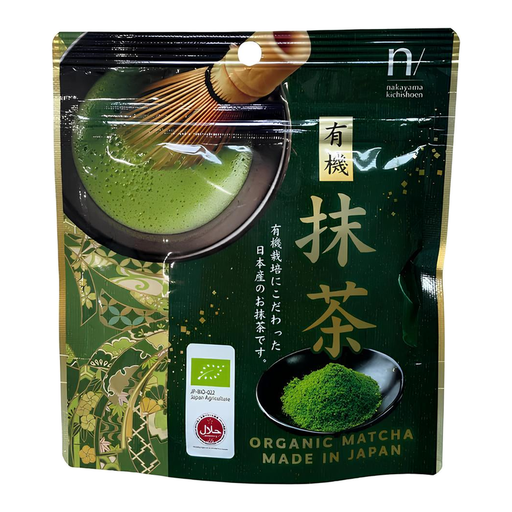
Why This Fits Their Persona: Ideal for users seeking a pure, unadulterated matcha flavour. This product is perfect for traditional tea preparation or as a high-quality, nutrient-rich addition to smoothies and porridge, without any additives.
This product sidesteps the 'ceremonial' mislabelling trap by focusing on a clear origin (Japan) and organic certification. The ingredients list consists of just one item: 100% organic green tea.
Organic quality from Japan. Free from sugar, fillers, and other additives, ensuring a pure umami taste.
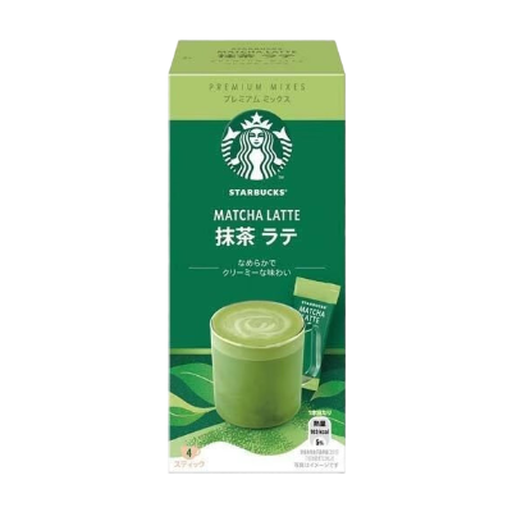
Why This Fits Their Persona: Perfect for anyone who wants to recreate the creamy taste of a café latte at home without the hassle of measuring out matcha, milk, and sweetener. The convenient sticks guarantee a consistent result.
This product avoids the hidden sugar trap through transparency. It is clearly positioned as a "Matcha Latte" mix, and the ingredients list openly declares sugar and skim milk powder. The buyer knows exactly what they are getting—a product designed for convenience and taste.
Quick and easy preparation. The single-serving packets are convenient for on-the-go or at the office and deliver a balanced, creamy flavour.
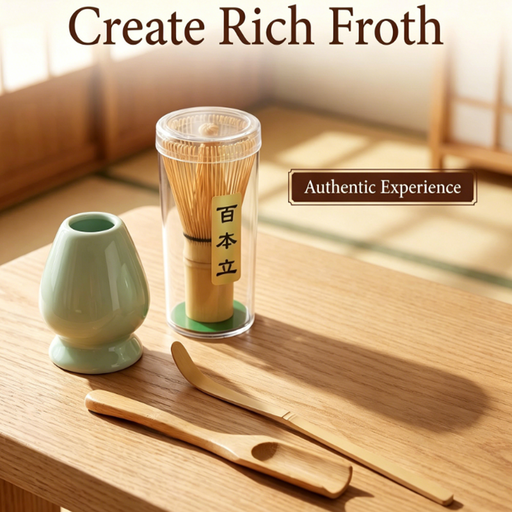
Why This Fits Their Persona: For anyone who wants to experience the authentic matcha ritual. This Matcha set includes the essential tools—bamboo whisk (chasen), whisk holder, bamboo scoop (chashaku), and bowl—necessary for the lump-free preparation of traditional matcha tea.
Instead of using unsuitable kitchen utensils that lead to a lumpy and unsatisfying result, this set provides the tools specifically designed for the task. It prevents the frustration that arises when high-quality powder cannot be prepared correctly.
A complete accessory kit for authentic preparation. The bamboo whisk, with its fine tines, is crucial for whisking the powder into a frothy, clump-free consistency.
We have compiled a complete, up-to-date list of products that fully meet these strict selection criteria and German safety regulations.
1. How do I store matcha powder correctly? Matcha is very sensitive to light, heat, and oxygen. After opening, the powder should be stored in an airtight container in a cool, dark place, preferably in the refrigerator. This will help it retain its vibrant green colour and fresh aroma for the longest time.
2. Can I use any matcha for baking? Theoretically, yes, but it's not always practical. Ceremonial matcha is more expensive and has a very fine, delicate flavour that can be lost to the heat and other ingredients during baking. Matcha for baking (culinary grade) is more cost-effective and has a stronger flavour profile that stands up better to other flavours.
3. Why is my matcha lumpy? Matcha powder is extremely finely ground and tends to clump due to static electricity. To achieve a smooth result, it is recommended to sift the powder through a fine-mesh sieve before adding water. Using a bamboo whisk (chasen) and whisking in a rapid "W" or "M" motion also helps to dissolve all clumps and create a fine foam.