
Lieferung heute & morgen

Qualitätsgarantie

Willkommens-Angebote freischalten: KOSTENLOSE Lieferung | Bis zu 80 % RABATT | Kostenlose 30-Tage-JoyPlus-Testphase
App herunterladen
Finding the right matcha can quickly become a complex task. The market offers everything from vibrant green powders for tea ceremonies to instant mixes and baking ingredients. However, not every product labelled as matcha powder lives up to expectations in terms of flavour and quality. Many consumers discover after purchase that their tea is bitter, their latte mix consists mainly of sugar, or the powder is unsuitable for their intended use.
To help you make an informed decision, we will highlight the most common pitfalls of buying matcha and explain the objective criteria you should look for.
The Quality Illusion: "Ceremonial Grade" as a Marketing Ploy The term "ceremonial" is not protected or standardised. Some suppliers use it to sell lower-quality, bitter matcha at a higher price. It is often only suitable for cooking and disappoints when enjoyed pure as a matcha tea.
Hidden Fillers in Instant Products It's worth taking a close look at the ingredients list, especially for matcha latte powder. Often, sugar, milk powder, or dextrin are the first ingredients, while the actual matcha content is negligible. The result is an oversweetened drink that has little to do with an authentic matcha experience.
Vague Origin and Processing The quality of matcha is heavily dependent on its origin and processing. Japanese matcha, especially from renowned regions like Uji, is prized for its nuanced flavour. Traditional stone-grinding produces a finer powder than industrial methods. If this information is missing, it is often a lower-grade product.
To avoid disappointment, check three essential features before you buy. These will help you objectively assess the quality and suitability of a matcha product.
The most important factor is your planned use. Matcha quality is broadly divided into two categories:
A transparent ingredients list is essential.
The origin provides insight into the expected flavour quality.
Based on these objective criteria, we have compiled a selection of products for different needs.
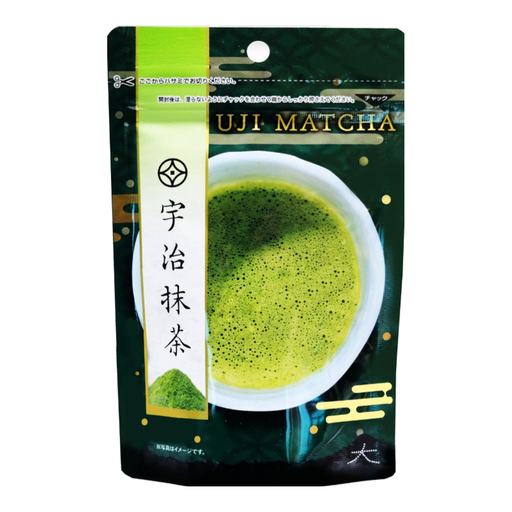
Why it's a great fit: For lovers of pure, unadulterated matcha flavour who prepare their tea traditionally and appreciate its nuanced umami character.
According to the manufacturer, this product consists of 100% green tea powder from Uji, Kyoto. It avoids the pitfall of vague origins and delivers an authentic flavour for tea preparation.
Specific origin (Uji) from a company rich in tradition (Hishiwaen, est. 1862). Suitable for preparing as tea and for cooking.
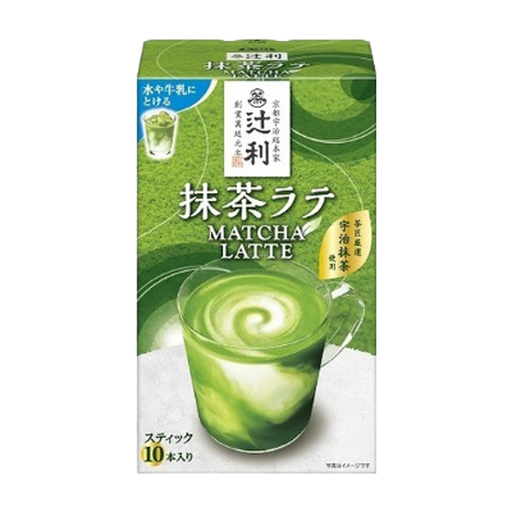
Why it's a great fit: Ideal for anyone who wants to enjoy a creamy matcha latte quickly and easily, without having to measure and froth powder.
Although it's an instant mix, it comes from a renowned tea house (Tsujiri). The ingredients list is transparent and designed for a balanced flavour, thus avoiding the trap of overly sugary latte powders.
Quick and easy preparation in convenient single-serving packets. Balanced, slightly sweet-bitter taste from a well-known Japanese manufacturer.
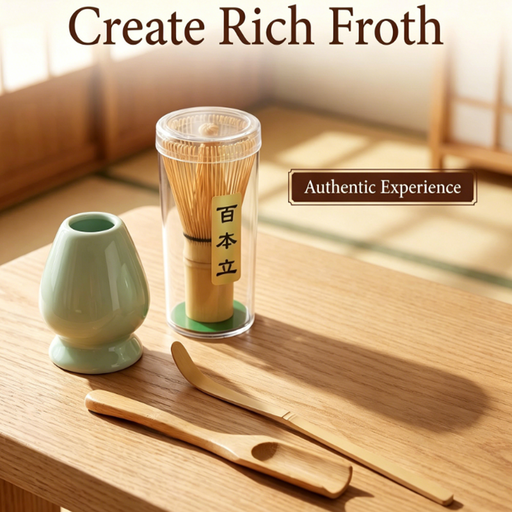
Why it's a great fit: Perfect for newcomers looking to dive into the world of matcha preparation and want to have the right tools on hand from the start.
Instead of improvising with unsuitable kitchen utensils, which leads to lumpy tea, this matcha set provides the foundation for a successful result and authentic preparation.
Includes the essential tools (bamboo whisk, whisk holder, bamboo scoop) for traditional preparation. The ceramic whisk holder ensures the longevity of the whisk.
We have compiled a complete, up-to-date list of products that fully meet these strict selection criteria and applicable regulations.
For a traditional preparation, sift about 1–2 grams (approx. half a teaspoon) of matcha powder into a bowl. Pour in about 80 ml of water heated to approx. 80°C (not boiling). Then, whisk the mixture with a bamboo whisk (chasen) in rapid "W" or "M" motions until a fine foam forms.
You can identify good matcha powder by several characteristics:
Matcha is sensitive to light, heat, and oxygen. Store an unopened package in a cool, dark place. After opening, the powder should be stored in an airtight container in the refrigerator and consumed within a few weeks to preserve its freshness and colour.