
Lieferung heute & morgen

Qualitätsgarantie

Willkommens-Angebote freischalten: KOSTENLOSE Lieferung | Bis zu 80 % RABATT | Kostenlose 30-Tage-JoyPlus-Testphase
App herunterladen
As a Joybuy Product Recommendation Officer, my mission is to provide you with clear, objective information so you can make an informed purchasing decision. Merlot is one of the world's most popular grape varieties, but the vast selection can be overwhelming. This guide will help you navigate the common pitfalls of wine buying and find the perfect Merlot for your palate.
Many buyers rely on labels or familiar names, only to be disappointed. Pay attention to these two points to avoid making the wrong choice:
To find the right Merlot, you should focus on objective criteria. These three parameters are crucial for determining what ends up in your glass.
A Merlot's taste profile is largely determined by its vinification style and residual sugar content.
The origin provides important clues about the wine's character.
For a growing number of wine drinkers, sustainable and ethical considerations also play a role.
Here is a selection of wines compiled based on objective criteria for different profiles.
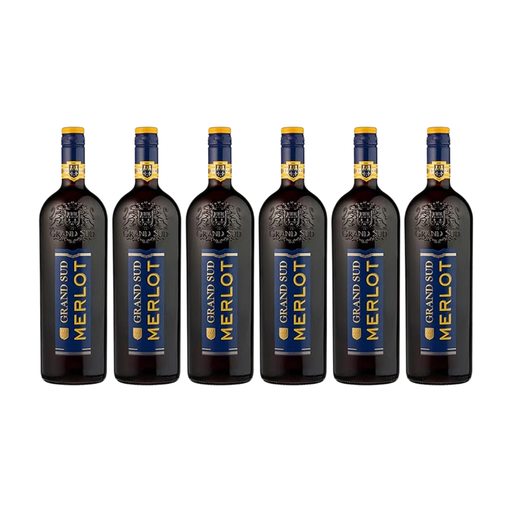
Why This Fits Their Persona: Ideal for straightforward enjoyment, everyday sipping, or social gatherings. This wine offers a consistently approachable, fruit-forward profile in a practical 1-litre bottle and a value-oriented case of 6.
This wine delivers a clearly defined, fruit-forward style without the ambiguity of a generic "fruity" label. It is an honest, approachable wine from the Pays d'Oc.
Excellent value for money; the large format is practical for parties and stocking up.
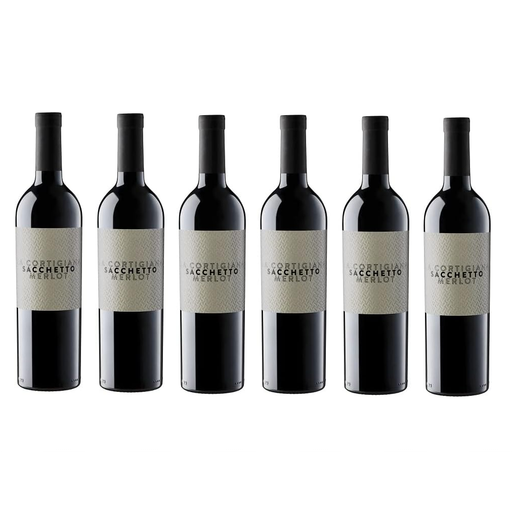
Why This Fits Their Persona: For wine drinkers who appreciate artisanal quality. A single-vineyard Merlot from a specific Italian region (Veneto), aged for 12 months in barriques for added complexity and structure.
This wine goes beyond a mere regional name by specifying its single-vineyard origin and barrique ageing—clear indicators of a higher standard of quality.
Complex aromatic profile (cherry, currant, spices); a smooth and juicy palate thanks to oak barrel ageing.
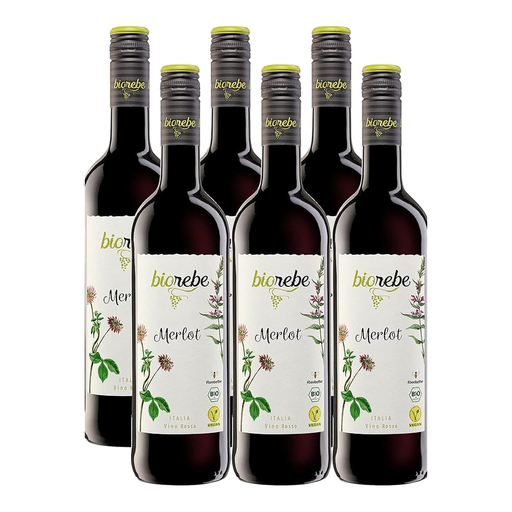
Why This Fits Their Persona: Perfect for those who value sustainability and a conscious lifestyle. This wine combines its Italian origin with certified organic farming and vegan production methods.
This wine's quality is based on verifiable standards. The organic and vegan certifications provide clear guidance that goes far beyond vague marketing terms.
Certified Organic Merlot; guaranteed vegan wine; sourced from organic vineyards in Italy.
We have compiled a complete, up-to-date list of products that fully meet these strict selection criteria and all applicable regulations.
Merlot red wine should be stored lying down in a cool, dark place with a constant temperature (ideally 12–15 °C). This keeps the cork moist and protects the wine from light and temperature fluctuations. Once opened, the bottle should be re-sealed, kept in the refrigerator, and consumed within 2–3 days.
A dry Merlot is not sour; it simply has a low residual sugar content. The taste is dominated by the wine's fruit aromas and structure, not by sweetness. This makes it an excellent companion for a variety of dishes, as it doesn't overpower the food's flavours.
No, Merlot is extremely versatile. While a full-bodied, oak-aged Merlot is excellent with beef, lamb, or hearty stews, a lighter, fruit-forward Merlot red wine also pairs very well with poultry, pasta with tomato-based sauces, mushroom dishes, or even mild cheeses. A dry Merlot Rosé is an ideal aperitif or a companion to light salads and grilled vegetables.