
Lieferung heute & morgen

Qualitätsgarantie

Willkommens-Angebote freischalten: KOSTENLOSE Lieferung | Bis zu 80 % RABATT | Kostenlose 30-Tage-JoyPlus-Testphase
App herunterladen
By Joybuy Product Recommendation OfficerPublished July 28, 2026
The selection of electric kitchen appliances is vast, with new models hitting the market almost daily. However, not every appliance that makes big promises lives up to them in everyday use. Many households know the problem: a newly purchased kitchen gadget quickly proves to be impractical, difficult to clean, or even breaks down. To help you make the right choice, we'll highlight the most common pitfalls and show you which criteria truly matter.
Before deciding on a new appliance, it's helpful to know the typical flaws that often only become apparent after the purchase.
To avoid a bad purchase, you should focus on objective and verifiable features. These three parameters are central to your appliance's longevity and functionality.
The materials that come into contact with your food are critical.
Raw motor power is only half the story. What's more important is how that power is applied.
A single appliance can often perform multiple functions, saving you space and money.
Here are some product recommendations tailored to different needs and households.
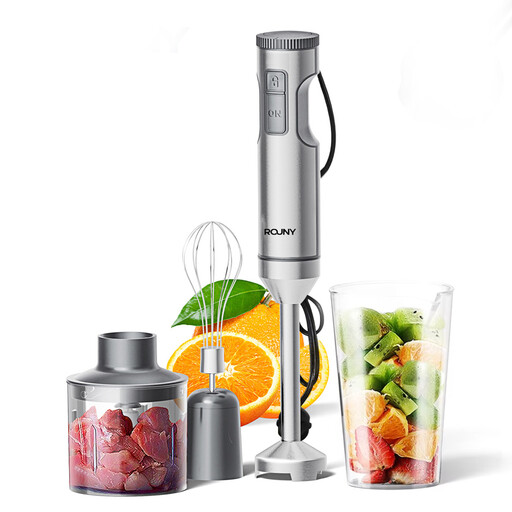
Why it's a good fit: Perfect for first-time kitchen setups or small spaces. This set combines the functions of an immersion blender, chopper, and whisk, eliminating the need to buy multiple separate appliances. It's suitable for soups, sauces, smoothies, and basic baking prep.
The blending shaft and blade are made of stainless steel, ensuring durability and safe food contact. The variable speed control allows for precise handling, rather than relying solely on maximum wattage.
The 4-in-1 accessories (blending wand, 700 ml beaker, 500 ml chopper, whisk) offer great flexibility. The attachments are dishwasher-safe (below 60°C), which simplifies cleanup.
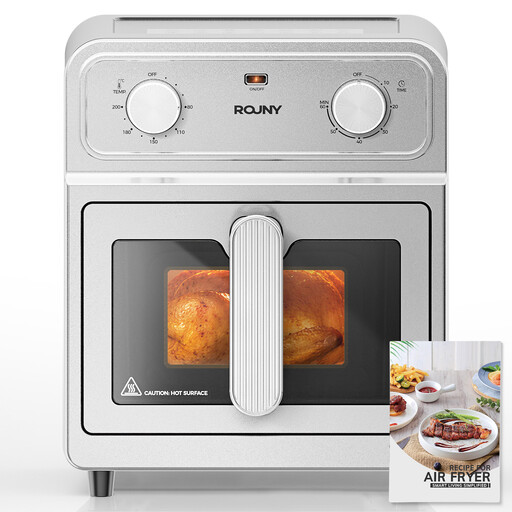
Why it's a good fit: With a 6.5-litre capacity, this air fryer is designed for family-sized meals. Its focus on metal components in the cooking chamber appeals to users who want to minimise food contact with plastics at high temperatures.
This model bypasses the issue of peeling coatings, as the cooking basket is made of uncoated 304 stainless steel. The entire cooking zone is also certified as BPA-free.
The 360° hot air circulation ensures even cooking without needing to turn the food. A viewing window with an interior light allows you to monitor progress without opening the basket and letting heat escape.
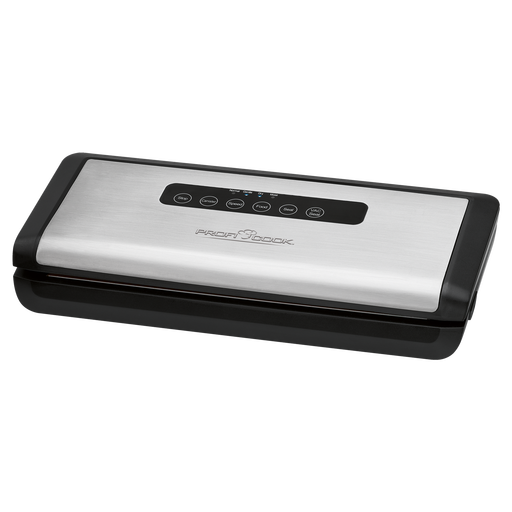
Why it's a good fit: For anyone who wants to keep food fresh longer, prevent freezer burn, or explore sous-vide cooking. This appliance enables professional-grade food preservation and preparation at home.
Instead of being a jack-of-all-trades with mediocre performance, this is a specialist. The 4-level electronic vacuum control allows for customised handling of delicate foods, a feature often missing in basic models.
The suction power of 12 litres per minute and the extra-wide, durable seal ensure reliable results. The device is compatible with standard commercial film rolls up to 30 cm wide.
We have compiled a complete, up-to-date list of products that fully meet these strict selection criteria and safety standards.
1. How important is the wattage of an electric kitchen appliance? Wattage only indicates the electrical power consumption, not the appliance's efficiency. A well-designed motor and high-quality mechanical parts (e.g., sharp blades, a sturdy gearbox) are often more important for the final result than a high watt number. An efficient appliance with lower wattage can deliver better results while also saving on electricity costs.
2. How can I identify durable and safe materials? Look for product descriptions that specify the materials used. 304 stainless steel (also known as 18/8 stainless steel) is a good indicator of quality for metal parts. For glass, borosilicate glass is an excellent choice due to its heat resistance. For plastics, the "BPA-free" label is a key feature for food safety, especially on appliances that are heated or come into contact with acidic foods.
3. How do I properly care for non-stick appliances to extend their lifespan? Avoid using metal or sharp-edged utensils on the coating. Instead, use tools made of wood, silicone, or plastic. After the surface has cooled, clean it with a soft cloth or sponge and mild dish soap. Avoid abrasive scouring agents. Always check the manufacturer's instructions regarding dishwasher suitability, as high temperatures and harsh detergents can damage the coating.