
Lieferung heute & morgen

Qualitätsgarantie

Willkommens-Angebote freischalten: KOSTENLOSE Lieferung | Bis zu 80 % RABATT | Kostenlose 30-Tage-JoyPlus-Testphase
App herunterladen
The selection on supermarket shelves or in online shops can be overwhelming: extra virgin olive oil, oils for frying, products from Greece or Italy, with or without an organic seal. Buying the right olive oil depends heavily on its intended use and your personal quality standards. This article serves as a guide, presenting objective criteria to help you make an informed decision for your household.
As your Joybuy Product Recommendation Officer, I have gathered information to highlight the key differences between various olive oils and present a selection of products for different culinary applications.
To find the right product, a basic understanding of quality grades, origin, and usage is helpful.
The most important distinction for olive oil is its quality grade, which is regulated by EU standards.
The origin significantly shapes the character of an olive oil. Greek olive oil, often from Koroneiki olives, is typically fruity and slightly peppery. Italian olive oil offers a wide variety, from mildly fruity to robust and tangy.
Look for protected seals:
The smoke point is the temperature at which an oil begins to smoke and break down.
Here is a selection of olive oils suitable for various culinary needs.
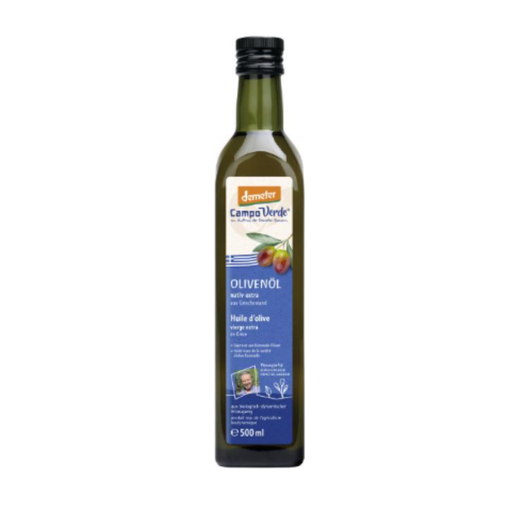
CV demeter ORGANIC olive oil cold pressed 0.5 L
Why it stands out: This oil combines the strict criteria of biodynamic farming (Demeter certification) with the characteristic taste of Greek Koroneiki olives.
Features:
Who it's for: Consumers who place the highest value on ecological and biodynamic production standards and are looking for a fruity oil for salads and finishing cold dishes.
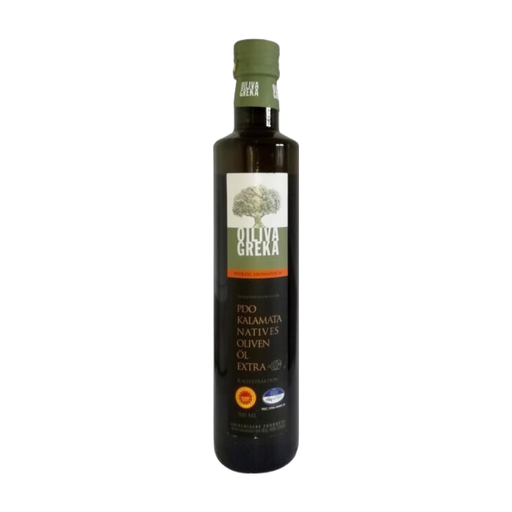
Oiliva Greka PDO Kalamata Extra Virgin Olive Oil 0.5 L
Why it stands out: The PDO seal guarantees that this oil is made exclusively from olives from the famous Kalamata region in Greece and was processed there, giving it an authentic flavour profile.
Features:
Who it's for: Gourmets and home cooks who appreciate an authentic Greek olive oil with a traceable origin and a specific, terroir-driven aroma for dressings or as a dip.

Bertolli High-Heat Frying Olive Oil 460ml
Why it stands out: This product was specifically designed as an olive oil for frying. According to the manufacturer, it can be heated up to 195°C, making it suitable for a variety of high-heat cooking methods.
Features:
Who it's for: Anyone who needs a practical and heat-stable olive oil for the hot kitchen, whether for searing meat and vegetables or for grilling.
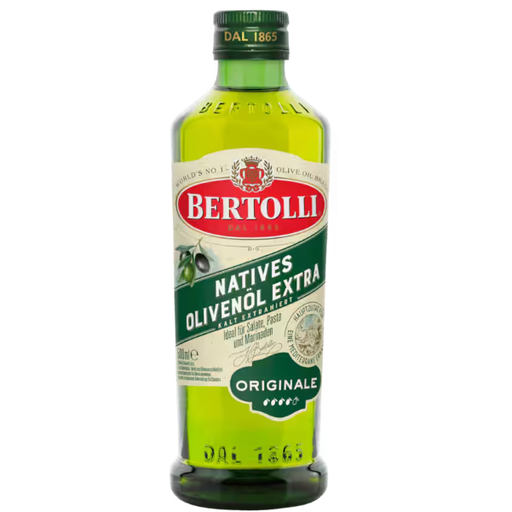
Bertolli Originale Extra Virign Olive Oil 500ml
Why it stands out: A classic Italian olive oil from an established brand that is versatile in the kitchen thanks to its balanced, fruity aroma.
Features:
Who it's for: Households looking for a reliable all-round olive oil for daily use, suitable for both salad dressings and light sautéing of vegetables.
The world of olive oil is diverse and offers the right product for every taste and occasion. If you are looking for more specialised or different olive oils, you can find a wider selection in our Classic Olive Oil category.
"Extra virgin olive oil" is the highest quality grade for olive oil according to EU regulations. It is obtained directly from olives solely through mechanical means (cold pressing or cold extraction), has no sensory defects, and a very low acidity level. It retains most of the olive's aromas and health-relevant compounds.
Yes, but with limitations. Extra virgin olive oil is well-suited for gentle sautéing and cooking at low to medium temperatures. It is less suitable for high-heat searing or deep-frying, as its smoke point is lower. Exceeding the smoke point can create undesirable substances. For high temperatures, a special olive oil for frying or a refined olive oil is the better choice.
Olive oil should always be stored in a cool, dry, and dark place to protect it from light, heat, and oxygen. These factors accelerate the oxidation process and cause the oil to go rancid. A pantry or a closed kitchen cabinet are ideal locations. The bottle should always be tightly sealed after use. Storing it in the refrigerator is not recommended, as the oil will solidify and condensation can form, which impairs the quality.