
Lieferung heute & morgen

Qualitätsgarantie

Willkommens-Angebote freischalten: KOSTENLOSE Lieferung | Bis zu 80 % RABATT | Kostenlose 30-Tage-JoyPlus-Testphase
App herunterladen
The right outdoor gear is the foundation for any successful adventure in the great outdoors. But the market is flooded with products making lofty promises that often fall short in practice. A leaky rain jacket, an uncomfortable backpack, or an unreliable lamp can quickly ruin a trip. To help you make informed decisions, we'll highlight some common pitfalls and show you which objective criteria truly matter when choosing your equipment.
Many buyers rely on marketing buzzwords or seemingly high performance specs without understanding their practical relevance. This often leads to disappointment and unnecessary expense.
To avoid buyer's remorse, you should focus on verifiable technical specifications. These provide insight into the actual performance and durability of your gear.
The water column rating (or hydrostatic head), measured in millimetres (mm), indicates how much water pressure a material can withstand before moisture penetrates. This is a key metric for waterproof clothing and tents.
A good trekking backpack is distinguished by its adjustable carrying system. Look for the following components:
For a rechargeable LED headlamp, lumens aren't the only thing that matters. More important are:
Instead of making blanket recommendations, we have selected products for specific user groups and their requirements.
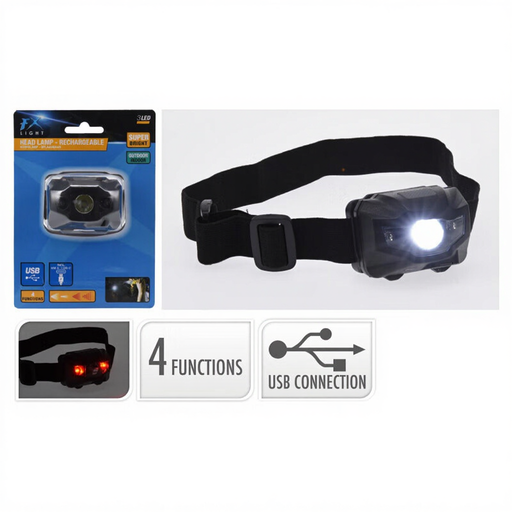
Why this product is a match: A foundational tool for any outdoor activity, from setting up a tent at dusk to night hiking. The USB charging feature eliminates the need to buy disposable batteries, making it cost-effective and practical for beginners.
This model bypasses the trap of unreliable batteries with an integrated, rechargeable power source. This ensures a dependable energy supply and prevents you from being unexpectedly left in the dark.
Integrated Li-ion battery with USB charging; adjustable headband for a secure and comfortable fit.
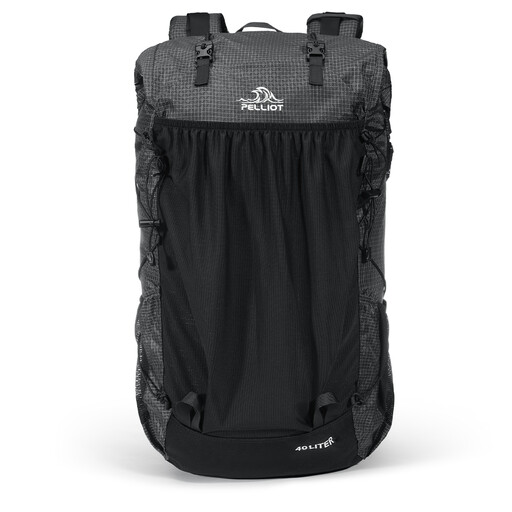
Why this product is a match: Designed for multi-day hikes where comfort and load management are crucial. The 40-litre capacity offers a good balance for 2–3 day trips without being oversized.
This backpack counters the problem of poor load distribution with an integrated lightweight support frame and a dynamic carrying system that actively transfers weight to the hips, relieving the shoulders and back.
Engineered load distribution via a support frame; 3D breathable cushioning system for high comfort on long treks.
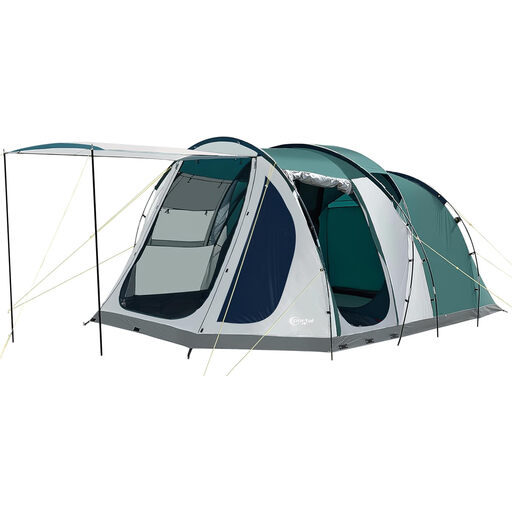
Why this product is a match: With separate sleeping and living areas, it offers generous space, making it ideal for family trips or camping with friends where comfort and storage are a priority.
This tent avoids the "waterproof" trap by clearly stating a 3,000 mm water column rating and featuring a fully sewn-in groundsheet. This provides verifiable and reliable protection against rain and ground moisture.
Spacious interior with two areas; good ventilation system with multiple vents to reduce condensation.
We have compiled a complete, up-to-date list of products that fully meet these strict selection criteria and local safety regulations.
1. How do I properly care for waterproof clothing to maintain its performance? The durable water repellent (DWR) finish on the outer fabric wears off over time. Wash the garment according to the manufacturer's instructions, often with a special detergent for technical apparel and without fabric softener. The DWR finish can often be reactivated with moderate heat, for example, in a tumble dryer on a low setting or by ironing on a low setting (with a cloth in between).
2. What does the IP rating on a headlamp or flashlight mean? The IP (Ingress Protection) rating classifies an enclosure's protection against the intrusion of foreign objects (first digit) and water (second digit). IPX4 means it's protected against splashing water from all directions, which is sufficient for most outdoor activities. IP68 indicates a dust-tight enclosure that can also withstand temporary submersion in water, making it suitable for extreme conditions.
3. How do I choose the right size for a trekking backpack? A backpack's fit depends primarily on your back length (also called torso length), not your overall height. To measure this, find the distance from your C7 vertebra (the prominent bone at the base of your neck) to the top of your hip bones (iliac crest). Many backpacks offer an adjustable back system that allows for fine-tuning to your specific length. A well-fitting hip belt is crucial for carrying comfort.