
Lieferung heute & morgen

Qualitätsgarantie

Willkommens-Angebote freischalten: KOSTENLOSE Lieferung | Bis zu 80 % RABATT | Kostenlose 30-Tage-JoyPlus-Testphase
App herunterladen
An oyster sauce can add a salty-sweet umami kick to vegetables, meat, tofu, noodles and rice dishes. However, when buying in the UK, similar-looking bottles, inconsistent ingredient lists and large pack sizes can quickly lead to the wrong choice. That’s why our selection as Joybuy Product Recommendation Officer focuses on clear, verifiable details such as oyster extract content, allergens, pack size, storage and intended use.
The oyster content varies significantly from product to product. Among the available options, you’ll find 3% oyster extract in a LEE KUM KEE Panda Brand Oyster Sauce (255 g), 11% oyster extract in the HADAY Signature Oyster Sauce (720 g) and 30% oyster extract in several Maekrua products. A higher percentage isn’t a blanket mark of quality, but it does affect how you judge flavour, price and best use.
A vegan oyster sauce contains no oyster extract, but is often based on mushroom extracts, soya beans and spices. That doesn’t automatically make it gluten-free. The LEE KUM KEE Vegan Oyster Sauce (520 g) lists wheat and soya beans in its ingredients. The MAGGI Vegan Mushroom Oyster Sauce (820 g) also shows wheat or gluten in its allergen information.
If you have a gluten intolerance, only the current labelling on the bottle counts. The variant sold as Lee Kum Kee Gluten Free Panda Oyster Sauce lists oyster extract and no wheat ingredient in the stated ingredients list. Even so, always check the packaging, allergen warnings and any changes before consuming.
A bulk oyster sauce pack of 815 g, 2.1 kg, 2.27 kg or 4.5 L can make sense for catering businesses, large families or regular wok cooking. For occasional use, however, a big bottle may stay open for a long time. Many products recommend refrigeration after opening. So always follow the manufacturer’s specific storage and usage advice before buying and after opening.
For a classic Chinese oyster sauce or Thai oyster sauce, the declared oyster extract content is a helpful benchmark. In addition, sugar, salt, soya sauce, thickeners and spices all influence the consistency and taste.
Nutritional information shows a salt content of around 8.5 to 12.7 g per 100 g across several products. So oyster sauce should generally be used sparingly and not added automatically alongside soya sauce.
Traditional oyster sauce often contains molluscs, specifically oysters. Other recurring allergens are soya beans and wheat. The Maekrua Oyster Sauce 600 ml, for example, lists oyster extract, soya sauce and wheat. The 4.5 L variant mentions “gluten-free friendly” while also listing soya and wheat as allergens. This seemingly contradictory information should be clarified by checking the actual label before purchase.
Vegans and vegetarians should choose a mushroom-based sauce or one with clear vegetarian labelling. For people with allergies, the term “plant-based” alone isn’t enough: even vegan products can contain soya, wheat or celery.
Small bottles between 150 ml and 300 ml are ideal for trying out or for households that only cook Asian dishes occasionally. Sizes between 490 g and 915 g are practical for regular home use. Containers from around 2 kg upwards are aimed at heavy users, large families and catering.
When comparing prices, always base it on the unit price per 100 g or 100 ml. Also factor in storage space, how long the bottle will be open, and the recommended refrigeration after opening.
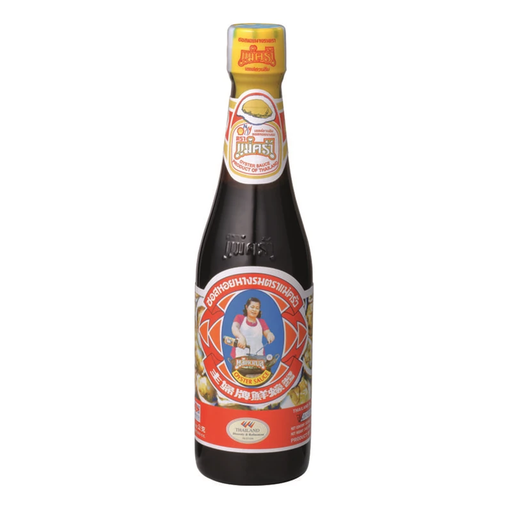
Why this product fits the profile: The small bottle lets you dip your toe into Thai and Asian wok dishes without having to store a large container straight away.
The pack size reduces the risk of storing a large amount unused. After opening, follow the stated refrigeration instructions.
150 ml content, thick consistency and versatile use for seasoning, marinating and wok dishes.
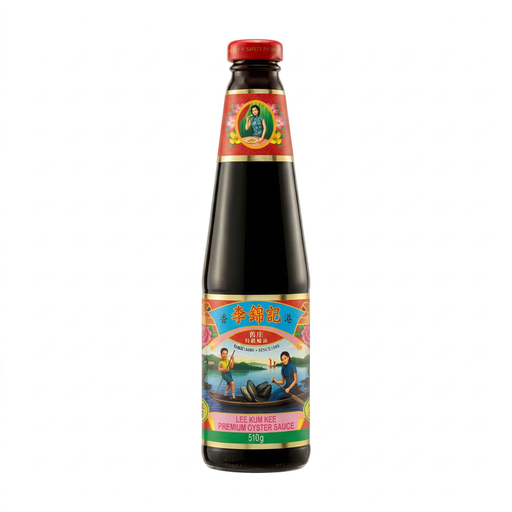
Why this product fits the profile: The ingredients list states oyster extract, a fill weight of 510 g and recommends refrigeration after opening.
The declared ingredient base makes it easier to compare with sauces where the oyster content or allergen information is less clearly stated.
510 g container, oyster extract as an ingredient and suitable for stir-fries, marinades, dips and wok dishes.
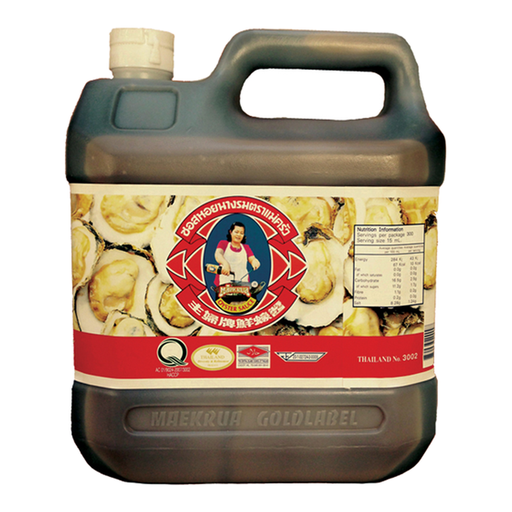
Why this product fits the profile: The bulk container is aimed at catering, large kitchens and households with a regular turnover of Asian sauces.
The large quantity only makes sense if your usage, storage space and the post-opening storage instructions all align.
4.5 L content and, according to product information, 30% oyster extract; suitable for wok dishes, marinades and sauces in larger quantities.
We’ve put together a full, regularly updated list of products that meet these strict selection criteria and comply fully with EU safety regulations.
The sauce is usually added towards the end of cooking. For two to three portions, one to two teaspoons is often a good starting point. You can then thin it to taste with water, stock, lime juice or rice vinegar. Because the salt content varies a lot between products, only add extra salt after tasting.
That depends on the brand, packaging and label. Many products should be refrigerated and kept tightly sealed after opening. The 150 ml Maekrua variant, for example, recommends refrigeration and consumption within one month. However, always follow the instructions on the specific packaging and the best-before date.
Yes, there are vegan or vegetarian alternatives based on mushroom or soya extracts. They aren’t automatically gluten-free, though, as some contain wheat. If you’re specifically looking for a gluten-free oyster sauce, check for a clear gluten-free label and the full allergen information. For vegan products, also make sure there’s no oyster extract or other animal ingredients.