
Lieferung heute & morgen

Qualitätsgarantie

Willkommens-Angebote freischalten: KOSTENLOSE Lieferung | Bis zu 80 % RABATT | Kostenlose 30-Tage-JoyPlus-Testphase
App herunterladen
The selection of paprika products on the shelf can be overwhelming. From powders in various shades of red to pastes, sauces, and pickled varieties—the diversity is vast, but the differences are often unclear. If you're looking to buy a specific paprika to give your dish an authentic touch, you can quickly run into challenges. Misleading labels or subpar ingredients can detract from the cooking experience. This guide will help you identify the common pitfalls and find the perfect product for your kitchen.
To ensure you find the right product for your culinary project, you should check three key parameters. These will help you objectively assess quality and suitability.
The product's format largely determines its use case.
The origin of the paprika has a crucial impact on its aroma.
A short and clear ingredient list is often an indicator of high quality. For paprika powder, the list should ideally just say "paprika." For sauces, pastes, and spreads, the percentage of paprika reveals its intensity. Pay attention to the sugar and salt content, and look for the absence of artificial flavour enhancers or colourings if you want a product that is as natural as possible.
Here are a few recommendations tailored to specific needs and culinary preferences.
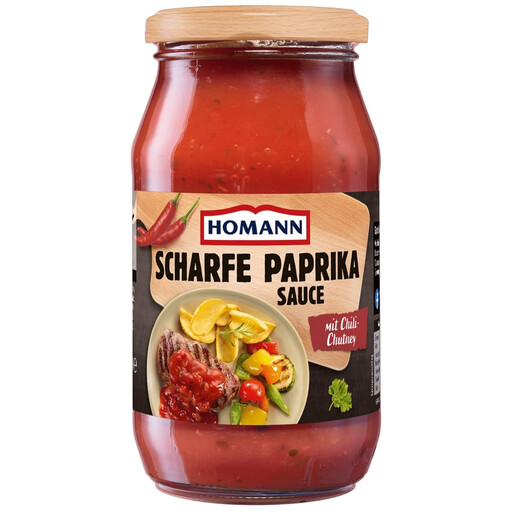
Why it's a great fit: This sauce is a convenient base for anyone who loves the classic flavour of dishes like goulash or chicken paprikash but doesn't always have all the individual goulash spices on hand. It also works well as a barbecue sauce.
The clear "Hungarian Style" and "spicy" labelling, with a hint of chilli, provides an accurate idea of the flavour profile and prevents mismatched expectations.
The sauce combines paprika (9%) and onions (10%) with tomato paste to create a well-balanced, ready-to-use seasoning sauce without artificial flavour enhancers.
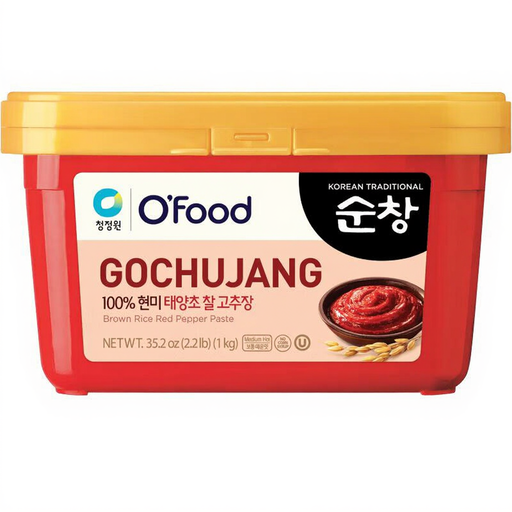
Why it's a great fit:Gochujang is an indispensable ingredient for authentic Korean dishes like bibimbap, tteokbokki, or spicy stews. This paste delivers the characteristic depth that cannot be achieved with simple chilli powder.
This product prevents the common mistake of using a generic hot spice. It delivers the specific, fermented flavour that is central to Korean cuisine.
The paste offers a complex balance of heat (11% paprika powder), sweetness (from corn syrup), and umami (from fermented soybeans). The 1 kg package is ideal for regular use.
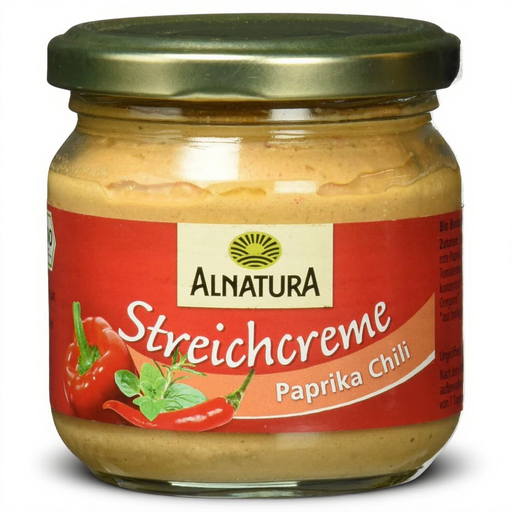
Why it's a great fit: This vegan, organic-quality paprika spread is a versatile option for a mindful diet. It's suitable as a bread spread, a dip for vegetables, or a base for creative sauces.
The transparent list of organic ingredients (certified DE-?KO-005) ensures there are no hidden sugars, fillers, or artificial flavours.
The base of roasted sunflower seeds (21%) and paprika (12%) provides a full-bodied, fruity-spicy flavour. The product is vegan, lactose-free, and non-GMO.
We have compiled a complete, up-to-date list of products that fully meet these strict selection criteria and quality standards.
1. What is the difference between sweet paprika and hot paprika (Rosenscharf)? The main difference lies in which parts of the pepper pod are used. For sweet paprika, only the dried flesh of the pod is ground, which gives it its vibrant red colour and mild, fruity flavour. For hot paprika (Rosenscharf), the seeds and membranes of the pod are also included. These contain capsaicin, the compound responsible for the heat. As a result, Rosenscharf is significantly more pungent.
2. How do I store paprika powder correctly to preserve its aroma? Paprika powder is sensitive to light, heat, and moisture. To preserve its colour and aroma, it should be stored in an airtight, opaque container in a cool, dry place, such as a kitchen cabinet away from the stove. When stored correctly, it will maintain its quality for many months.
3. Can I use any chilli powder for Korean recipes? No, it's not recommended for an authentic result. Korean chilli powder (Gochugaru) differs significantly in texture, colour, and flavour profile from other varieties like cayenne pepper or the chilli powder used in Tex-Mex dishes. Gochugaru has a more fruity, slightly smoky heat and a characteristic, vibrant red colour. Using a different powder would significantly alter the dish's flavour.