
Lieferung heute & morgen

Qualitätsgarantie

Willkommens-Angebote freischalten: KOSTENLOSE Lieferung | Bis zu 80 % RABATT | Kostenlose 30-Tage-JoyPlus-Testphase
App herunterladen
Whether for the office, university, creative projects, or your children's school supplies, the selection of writing instruments is vast. Anyone looking to buy pens and markers often faces a daunting array of options. But not every pen lives up to its packaging. Many buyers find that budget-friendly deals quickly end up in the bin, or that expensive specialty pens are unsuitable for their intended purpose. This guide will help you identify the crucial features and make an informed choice.
Before we dive into the details, let's look at three typical problems that lead to frustration and unnecessary expense:
fineliner is inefficient and leads to messy results.To avoid these mistakes, you should check three key properties before buying. These determine a pen's functionality and longevity.
The ink's composition is crucial for its intended use.
felt-tip pens for kids, washable. Highlighters typically use water-based ink that doesn't bleed through the paper.permanent markers. It is water-resistant, quick-drying, and adheres to almost any surface, including plastic, glass, and metal. Look for a "low-odour" label if you'll be working in enclosed spaces.Gel pens offer an exceptionally smooth and fluid writing experience. The ink is pigmented, providing vibrant, opaque colours, which makes them popular for creative writing and journaling.erasable pens. Frictional heat makes the writing invisible. This category also includes highly pigmented, water-soluble inks used in watercolour markers for artists, which can be blended with water.The tip is the tool that transfers ink to the surface. The most common types are:
highlighters, as it can be used to mark broad passages as well as underline with fine lines.Brush pens are ideal for calligraphy, lettering, and dynamic drawings, as the line width can be varied with pressure.A high-quality pen is also distinguished by its material. A barrel made of Polypropylene (PP) prevents the ink from evaporating quickly, ensuring a longer lifespan. Furthermore, sustainable options are gaining importance. Refillable highlighters or pens reduce waste and are often more cost-effective in the long run. Brands like STAEDTLER pens and Faber-Castell markers often offer corresponding systems for this.
Based on these criteria, we have curated a few products for typical use cases.
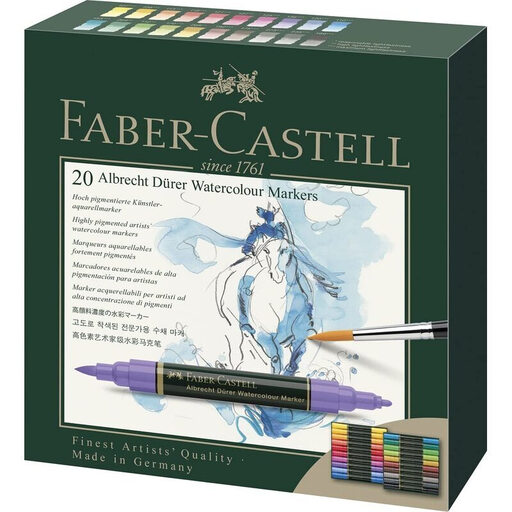
Why This Fits Their Persona: Ideal for artists who want to sketch and paint spontaneously. The combination of a brush tip and a fibre tip offers maximum flexibility for dynamic areas and precise details, both in the studio and on the go.
The highly pigmented, water-soluble ink is specially designed for art applications and won't bleed through watercolour paper. The dual tip eliminates the need to buy two separate pens.
Two tips per pen (brush and fibre tip). High lightfastness for long-lasting artwork. Fully water-soluble for excellent watercolour effects.
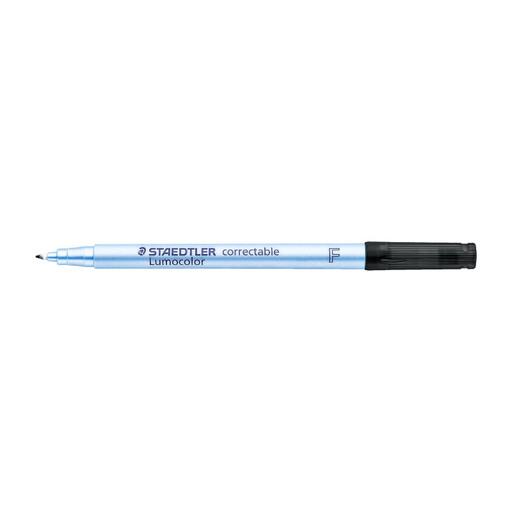
Why This Fits Their Persona: Perfect for flexible planning on smooth surfaces like laminated calendars, whiteboards, or transparent sleeves. It allows for smudge-proof notes that can be corrected without residue when needed.
Solves the "wrong ink" problem: It's specifically designed for non-porous surfaces where normal pens would smudge. The integrated wiper makes corrections easy without needing a separate cleaner.
Dry-erasable from smooth surfaces. Fine tip (0.6 mm) for precise entries. Refillable and features Airplane-Safe technology to prevent leaking on flights.
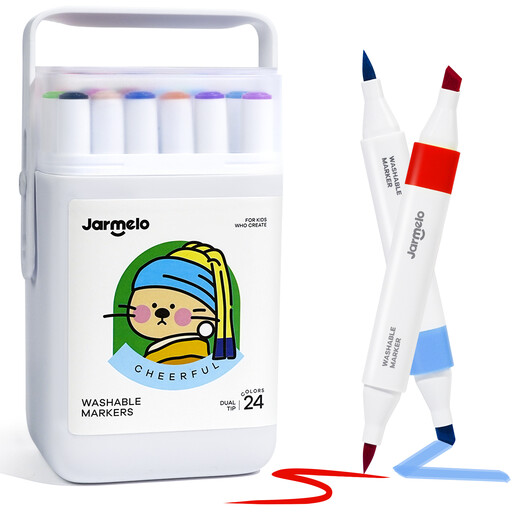
Why This Fits Their Persona: Designed for safe and clean creative fun. The ink is non-toxic and, according to the manufacturer, is 90% washable from skin and most textiles, making daily life easier for parents.
Addresses the fear of permanent stains. The highly washable ink minimises the risk of lasting marks on clothing or furniture. The safety caps with air holes reduce the risk of suffocation.
Non-toxic, water-based ink. Dual tip (brush and chisel) for versatile creative fun. Ergonomic, thick barrel for small hands and a practical carrying case.
We have compiled a complete, up-to-date list of products that fully meet these strict selection criteria.
1. How should I store pens and markers correctly to prevent them from drying out? Most pens, especially dual-tip ones (brush pens, watercolour markers) or felt-tip pens, should be stored horizontally. This ensures an even distribution of ink to both tips. For single-tip pens, storing them with the cap facing down is often beneficial. The most important thing is to always seal the cap tightly.
2. What does "archival" or "document-proof" mean for pens? "Document-proof" is a property of ink defined by the ISO 12757-2 standard. To qualify, an ink must be smudge-proof, water-resistant, light-resistant, and resistant to certain chemicals. It cannot be removed without leaving visible traces. This is important for signatures on contracts and other official documents.
3. Are refillable highlighters a worthwhile investment? For users who highlight frequently and in large volumes, such as students or office workers, refillable highlighters are a very smart choice. They not only reduce plastic waste but are also more cost-effective in the long run than constantly buying new disposable markers. Brands like Pelikan or STAEDTLER offer simple refilling systems for this purpose.