
Lieferung heute & morgen

Qualitätsgarantie

Willkommens-Angebote freischalten: KOSTENLOSE Lieferung | Bis zu 80 % RABATT | Kostenlose 30-Tage-JoyPlus-Testphase
App herunterladen
If you're looking to buy plastic cups, you'll find plenty of options online for the home, office, travel, children and sport. But the differences aren't just about colour and shape. Material, capacity, closure and cleaning all determine whether a plastic drinking cup stays practical in daily use or ends up unused at the back of a cupboard.
A cup with 200 to 300 ml can be sensible for children or small portions. For a desk, longer car journeys or sport, a larger volume is often more practical. Descriptions like plastic cup 300 ml and plastic cup 380 ml only tell you the capacity – they don't automatically mean the cup is suitable for hot drinks or for taking on the go.
With a leak-proof drinking cup, several components matter: the seal, the valve, the lid and correct assembly. With screw-top lids, the sealing ring must sit properly. Even a lid that isn't fully closed or a container that's overfilled can cause liquid to escape.
Not every plastic cup is suitable for the dishwasher, microwave or hot drinks. A product might be BPA-free, for example, but still only intended for cold drinks. Before you buy, you should check the temperature range, cleaning method and usage instructions.
When it comes to a plastic cup, material specifications such as PP, PS or Tritan are important:
For products that come into contact with food, binding regulations apply in the EU. The 5five Estiva Tumbler PS states compliance with EC Regulation No. 1935/2004 for food contact materials and Regulation (EU) No. 10/2011 for plastic materials. Such information doesn't replace proper use, but it does give a concrete indication of the product's declared conformity.
A water cup for the bedside table needs different features from a drinking bottle for a rucksack. Check the following:
A straw cup with a valve can be suitable for on the go, but it must be fully assembled. With screw-top bottles, you should check the silicone ring before every use. For hygienic cleaning, components that can be taken apart and an easily accessible interior surface are helpful.
Also pay attention to clear care instructions. Some models are dishwasher-safe, while others are intended for hand washing only. According to the product details, the LocknLock Eco Water Bottle should be cleaned by hand with a mild detergent and a soft brush. The microwave, freezer and drinks above 60 °C are not suitable for this model.
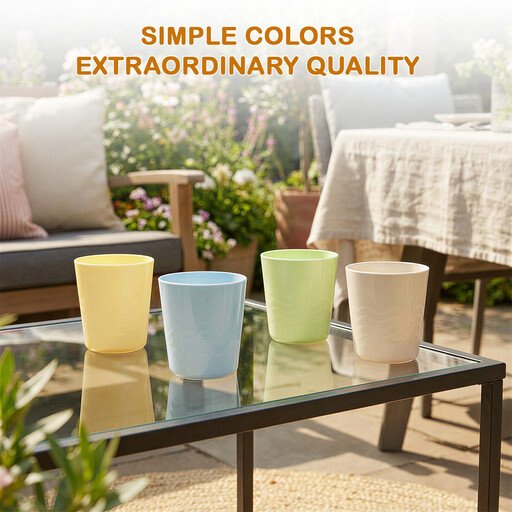
Why this product fits the profile: The set of four, each with 300 ml, is suitable for everyday household use, for example with water, juice or at the dining table.
The set makes the quantity clear and reduces the need for individual purchases. Information about suitability for the microwave or dishwasher should be checked before use.
Four cups made from PP plastic, each with a 300 ml capacity.
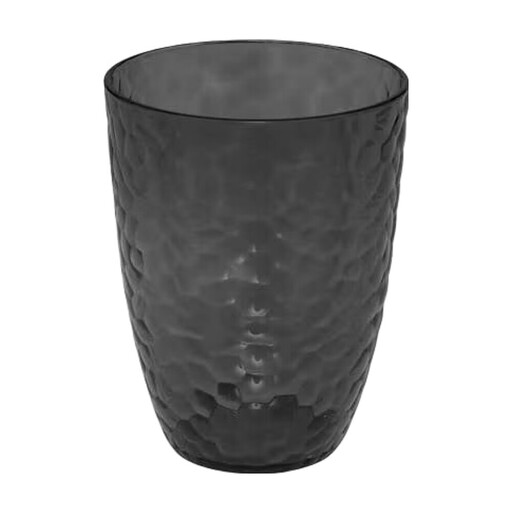
Why this product fits the profile: This classic tumbler is intended for household use and the dining table, where a clearly defined volume and a neutral colour are required.
The product data states the material, dimensions, weight and a maximum drink temperature of 70 °C. The cup is not intended for the microwave.
380 ml capacity, 55 g weight and declared compliance with EU regulations for food contact materials.
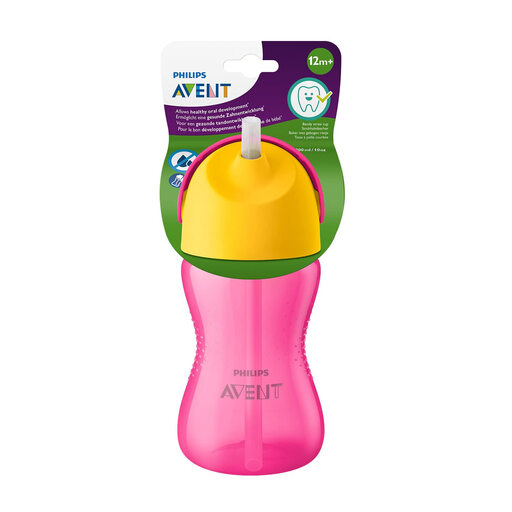
Why this product fits the profile: This children's cup features handles, a flexible straw, a valve and a flip-top lid for everyday use and on the go.
Leak resistance is supported by the valve and flip-top lid. For it to work properly, the cup, straw and lid must be correctly assembled and cleaned regularly.
300 ml capacity, BPA-free materials according to the product information and a dishwasher-safe design.
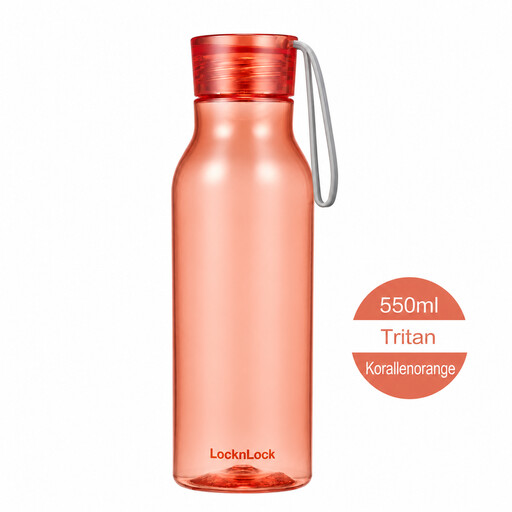
Why this product fits the profile: This plastic drinking bottle is designed for cold drinks, commuting, the office and leisure time, and comes with a carry strap.
The seal must sit correctly in the lid groove. The bottle is not intended for carbonated or fermented drinks, nor for temperatures above 60 °C.
550 ml volume, BPA-free Tritan according to the product information, screw-top lid and carry strap.
We've put together a complete, regularly updated list of products that fully meet these strict selection criteria and the safety regulations in force in the EU.
To ensure a longer lifespan, you should rinse the cup or bottle after each use and clean it thoroughly on a regular basis. Liquid residue can build up, especially in straws, valves and sealing rings. We also recommend the following:
No. BPA-free describes the material specification, not automatically the permitted temperature. What matters are the instructions from the respective manufacturer. A BPA-free drinking bottle may be intended exclusively for cold drinks.
It's not possible to give a fixed lifespan that applies to all. It depends on the material, frequency of use, cleaning and mechanical stress. Cracks, deformation, leaking seals or persistently strong odours are reasons to stop using the product.
For the dining table, a children's cup with handles and a controlled flow can be suitable. For nursery, trips or travel, a drinking bottle with a closed lid offers more protection against spills. The age recommendation, cleaning, closure and capacity should all match the child's specific daily routine.