
Lieferung heute & morgen

Qualitätsgarantie

Willkommens-Angebote freischalten: KOSTENLOSE Lieferung | Bis zu 80 % RABATT | Kostenlose 30-Tage-JoyPlus-Testphase
App herunterladen
Finding the right cut of pork can be a challenge, especially when planning special dishes that go beyond the standard supermarket selection. Whether you're preparing an authentic crispy pork roast, making your own sausage, or need ingredients for an Asian hot pot, the quality and the right cut are crucial for success. Many home cooks face the problem of limited selections in brick-and-mortar stores or unclear labelling. This guide will help you avoid common pitfalls and find the perfect product for your culinary project when ordering pork online.
Before you make a decision, it's helpful to know some common issues that can lead to disappointment in the kitchen.
To ensure you get the right product, focus on a few objective criteria. These will help you better assess the quality and suitability of a piece of pork.
Each part of the pig has different characteristics regarding fat content, connective tissue, and texture. Knowing the right cut is the foundation for any successful dish.
The fine veins of fat within the muscle tissue, known as marbling, are a crucial quality indicator. Fat is a flavour carrier and ensures the meat stays juicy during cooking. A well-marbled pork neck or a piece of pancetta will always yield a more tender and aromatic result than a very lean cut. Look for an even distribution of fat in product images and descriptions, rather than thick, isolated layers of fat.
Clear information about processing is especially important when buying online. If pork bones for broth are offered, they should be cleanly sawn, not shattered, to avoid bone splinters in your soup. For products like pork for hot pot, uniformly thin slices are essential for the short cooking time. Pay attention to origin details, which can provide insight into animal welfare and slaughtering standards. Products from the EU are subject to strict food safety regulations.
Here are some recommendations tailored to the specific profiles of home cooks.
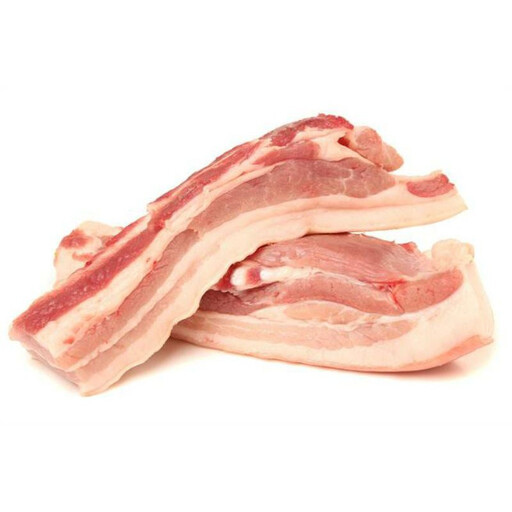
Why This Fits Their Persona: This cut is the foundation for many authentic Asian dishes. The continuous skin is ideal for Cantonese crispy pork belly (Siu Yuk), while the balanced ratio of fat to meat is perfect for Japanese chashu or red-braised pork belly (Hong Shao Rou).
You get a clearly defined skin-on pork belly. This helps you avoid the mistake of buying a cut without the skin needed for a crispy rind, a common problem with standard supermarket products.
Even layers of meat and fat ensure a juicy result. The 500g portion is convenient and vacuum-sealed to preserve freshness.
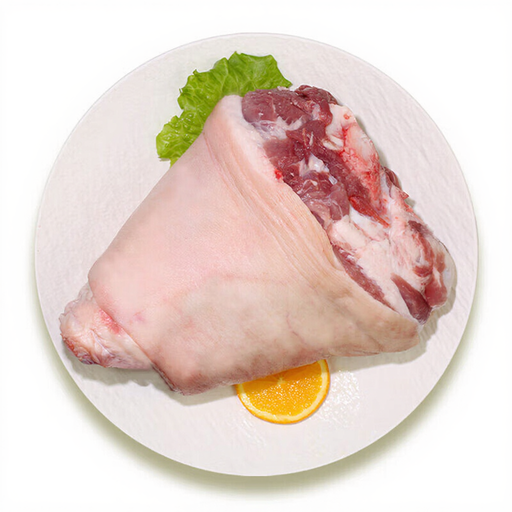
Why This Fits Their Persona: This product is the ideal choice for preparing a classic, crispy roasted pork knuckle or a hearty boiled knuckle (Eisbein). The 1.3 kg size is sufficient for a filling meal for several people and is perfect for long, slow cooking.
You get a complete, large piece specifically intended for traditional preparation methods. This prevents you from buying pieces that are too small or incorrectly cut, which would be unsuitable for an authentic knuckle dish.
The high content of connective tissue, fat, and bone ensures an intense flavour and a rich sauce during long cooking. The meat becomes exceptionally tender.
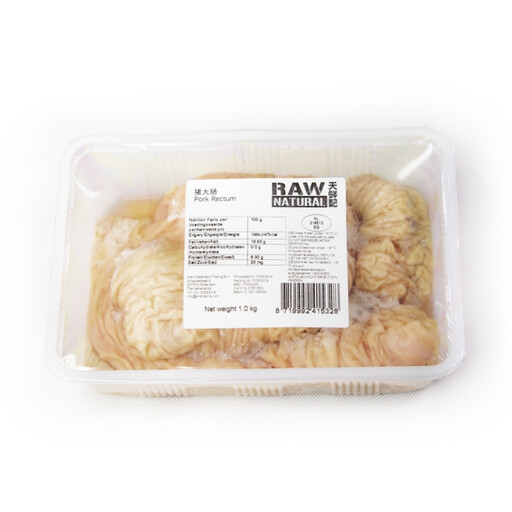
Why This Fits Their Persona: This product is indispensable for anyone who wants to make authentic, homemade sausages. Natural casings give the sausage its characteristic "snap" and allow for optimal curing and flavour development.
You bypass the frustrating search for this speciality product in local stores. Instead of having to resort to unsuitable artificial alternatives, you get a professional-grade product for authentic results.
The natural casing is packed in salt for a long shelf life and provides the necessary elasticity and strength for stuffing and linking sausages without bursting.
We've compiled a complete, up-to-date list of products that fully meet these strict selection criteria and German food safety regulations.
Look for detailed product descriptions, clear images that show the marbling, and precise information about the cut. Information on origin (e.g., from the EU) and storage (frozen at -18 °C) are also important indicators. Reputable suppliers provide transparent details on these points.
The pork neck (also known as pork collar or Boston butt) is the ideal choice. Its high content of intramuscular fat and connective tissue ensures that the meat becomes juicy, tender, and easy to shred after hours of low-temperature cooking.
Yes, for most preparation methods, slow thawing in the refrigerator for 24–48 hours is recommended. This preserves the meat's structure and ensures even cooking. Only with very thinly sliced products, such as fine pork ribs or meat for hot pot, may it be possible to cook directly from frozen according to the manufacturer's instructions.