
Lieferung heute & morgen

Qualitätsgarantie

Willkommens-Angebote freischalten: KOSTENLOSE Lieferung | Bis zu 80 % RABATT | Kostenlose 30-Tage-JoyPlus-Testphase
App herunterladen
From the laundry detergent that cleans our clothes to the mineral powder that perfects our complexion, powder-based products are staples in our daily lives. However, the selection is vast and the marketing claims are often exaggerated. The result: you buy a product that doesn't suit your needs, your laundry turns grey, or your skin reacts sensitively. Before you buy your next powder, you should understand the common pitfalls to make an informed decision.
As a Joybuy Product Recommendation Officer, I see it as my mission to provide you with objective information so you can find products that truly meet your requirements. This guide highlights critical selection criteria and helps you avoid common marketing traps.
The sheer number of options can be overwhelming. As a result, many buyers reach for products that seem convenient at first glance but later prove to be unsuitable or uneconomical.
To find the right powder, you should focus on a few, but crucial, criteria. These will help you objectively assess a product's performance.
The most important distinction lies in the intended application. Using the wrong product can lead to poor results or even damage.
A look at the composition reveals more about performance than any marketing promise.
The cost per use is a better benchmark for comparison than the package price alone. Pay attention to the "number of wash loads" indicated on the packaging. Correct dosage according to water hardness and soil level is crucial—too much powder doesn't clean better, it just harms the environment and your wallet.
Based on these objective criteria, we have compiled a selection of products for various user profiles.
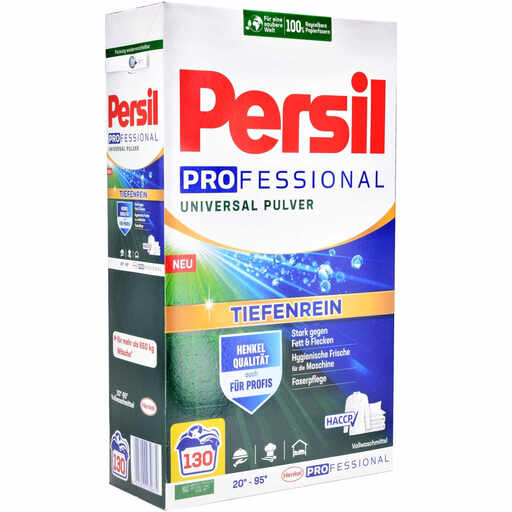
Why it's a good fit: For families or commercial users with a high volume of laundry, this bulk pack offers a predictable cost per wash. The formula is designed for high cleaning performance even at low temperatures, which reduces energy costs.
It solves the "bulk-buy cost trap" because the high consumption in a large household minimises the risk of clumping and maximises the savings per wash load.
The anti-greying formula is specifically designed for white and light-coloured textiles, actively preventing dullness. Its effectiveness from 20°C protects fabrics and saves energy.
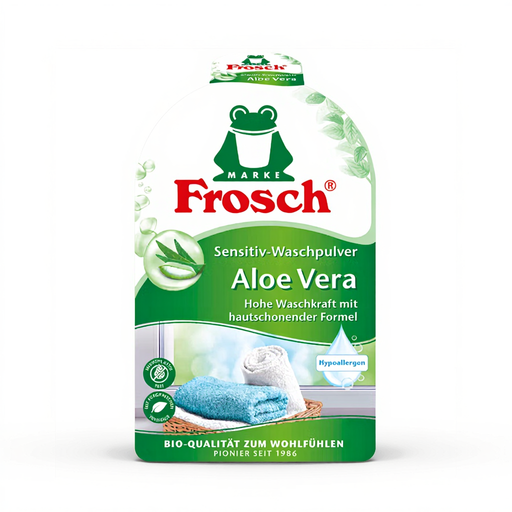
Why it's a good fit: This laundry detergent is designed for people with sensitive skin or allergies. The formula with aloe vera extracts is dermatologically tested and deliberately avoids dyes and preservatives.
It bypasses the "one-size-fits-all fallacy" by offering a specialised solution for a specific need (sensitive skin) instead of trying to cover all bases with a single formula.
The hypoallergenic composition minimises the risk of skin irritation. The integrated long-lasting colour protection preserves the vibrancy of coloured textiles.
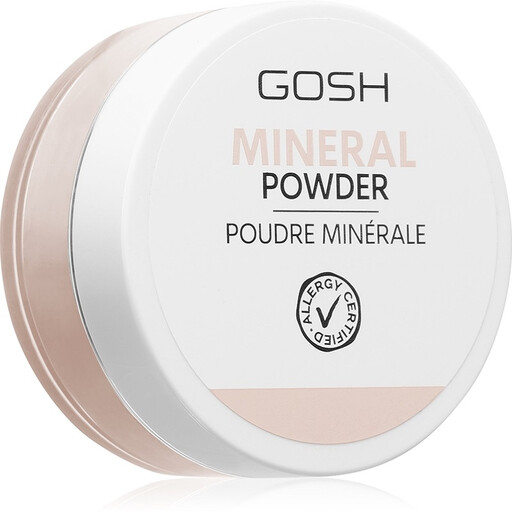
Why it's a good fit: This loose face powder is perfect for users who prefer a light, natural finish and value a minimalist formulation. It is perfume-free and suitable for all skin types, including sensitive skin.
It avoids the "special ingredients" trap by relying on a clean, mineral-based formula. Its effect is based on the physical properties of minerals like mica and silica.
The ultra-light texture does not clog pores (non-comedogenic) and absorbs excess oil for a long-lasting matte complexion without drying out the skin.
We have compiled a complete, up-to-date list of products that fully meet these strict selection criteria and UK regulations.
1. How do I dose laundry detergent correctly to save money? The correct dosage depends on three factors: water hardness (you can get this information from your local water supplier), the soil level of the laundry, and your machine's load size. Adhere strictly to the dosage chart on the packaging. Overdosing does not result in cleaner laundry, only more residue and higher costs.
2. Can I use heavy-duty detergent for coloured laundry? It is not recommended. Heavy-duty detergent contains bleach, which can fade the colours of your clothes with repeated use. To maintain colour vibrancy, a colour detergent without bleach is a much better choice. It's best to use heavy-duty detergent only for white, boil-proof, and durable textiles.
3. What is the difference between mineral powder and conventional face powder?Mineral powder consists mainly of finely ground, natural minerals such as mica, zinc oxide, or titanium dioxide. It is often free of preservatives, fragrances, and oils, making it particularly suitable for sensitive or blemish-prone skin. Conventional powder may also contain fillers, binders, and synthetic ingredients.