
Lieferung heute & morgen

Qualitätsgarantie

Willkommens-Angebote freischalten: KOSTENLOSE Lieferung | Bis zu 80 % RABATT | Kostenlose 30-Tage-JoyPlus-Testphase
App herunterladen
If you’re looking to buy a protein bar, you’ll find plenty of options in shops: high-protein snacks for training, protein bars for eating on the go, low-carb protein bars and vegan protein snacks. The packaging often highlights high protein content, “sugar-free” claims or “low carb” labels. These claims are only meaningful, however, when you consider the serving size, ingredients list and nutrition table together.
“30% protein” sounds clear enough at first. What matters, though, is how many grams of protein are actually in each bar. A 45-g bar with 30% protein provides around 13.5 g of protein. A 40-g bar with 50% protein, on the other hand, contains around 20 g.
So when comparing prices, always check:
A protein bar with no added sugar can still contain naturally occurring sugars. Many products are also sweetened with maltitol, sorbitol, xylitol or sucralose. Sugar alcohols can have a laxative effect if consumed in excess. Checking the sugar and polyol information helps you avoid false expectations.
Replacing sugar with fats, chocolate or nut butter can reduce the carbohydrate content while leaving the energy content relatively high. For example, according to the product information, BE-KIND Protein Dark Chocolate Raspberry contains 12 g of protein and 260 kcal per 50-g bar. It may work well as a snack, but that doesn’t make it a low-calorie product.
For a small snack between meals, 10 to 14 g of protein may be enough. If you’re looking for a higher-protein snack after physical activity, you could compare products with 16 to 20 g of protein per bar. A bar is no substitute for a balanced diet, so make sure you consider it as part of your overall daily intake.
If you’re looking for a low-sugar protein bar or a protein bar with no added sugar, check these values separately:
According to the product information, the Premier Protein 50% Bar Chocolate Caramel contains 20 g of protein and no more than 0.8 g of sugar per 40-g bar. The recipe includes maltitol and sucralose, among other ingredients. If you’re sensitive to sugar alcohols, take note of the warning about their possible laxative effect.
Many protein bars contain milk, soya, collagen, peanuts, tree nuts or cereals containing gluten. That’s why the ingredients list matters more than the claims on the front of the pack. If you’re looking for vegan protein bars, check whether they contain milk ingredients, whey protein, collagen or honey.
The Nutri+ Whey Protein Bar Chocolate Caramel Crisp is described as a vegan bar with 13 g of plant-based protein per 50 g. Its listed protein sources include pea and hemp protein. Even so, always check the current packaging before eating it.
The products below vary in protein content, serving size, recipe and pack format. This makes it easier to choose a product that fits your everyday routine.
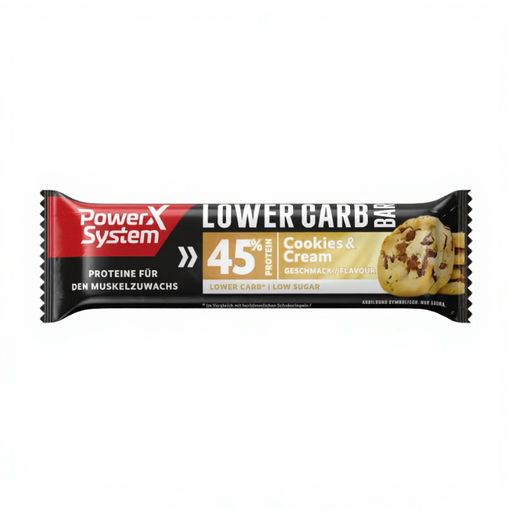
Why this product suits this profile: The individual 40-g portion is a good choice if you want to try a compact low-carb protein bar for eating on the go.
The nutrition information lists 45 g of protein and 2.5 g of sugar per 100 g, making it easy to assess the portion.
45% protein according to the product information, a 40-g format and a Cookies & Cream flavour.
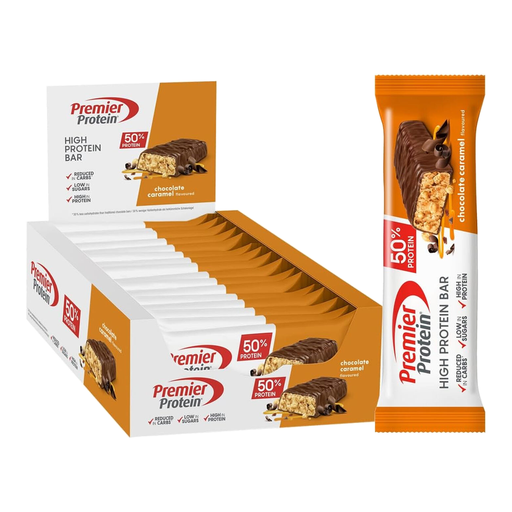
Why this product suits this profile: A good option for adults who prioritise high protein content and low sugar in a soft-textured bar.
The information lists both 50 g of protein per 100 g and no more than 0.8 g of sugar per 40-g bar, so the values per serving are easy to check.
20 g of protein per bar, no more than 0.8 g of sugar and a palm oil-free recipe according to the product description.
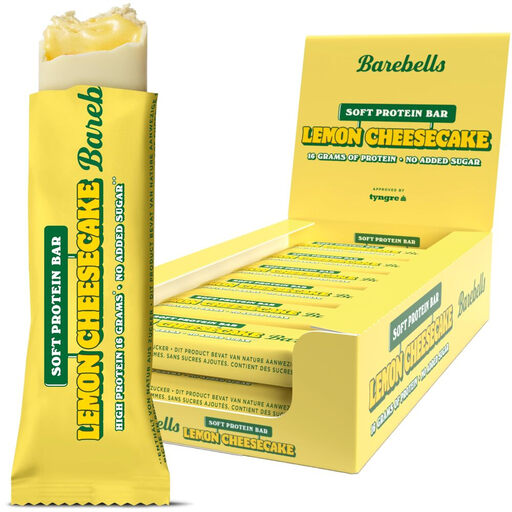
Why this product suits this profile: The 12-bar multipack is a good fit if you regularly plan to take a wrapped snack to the office, on your commute or to training.
The pack lists protein, sugar and energy per 100 g as well as per 55-g bar. It also flags the sweeteners it contains.
16 g of protein and 2.1 g of sugar per bar; 12 × 55 g and a palm oil-free recipe according to the product information.
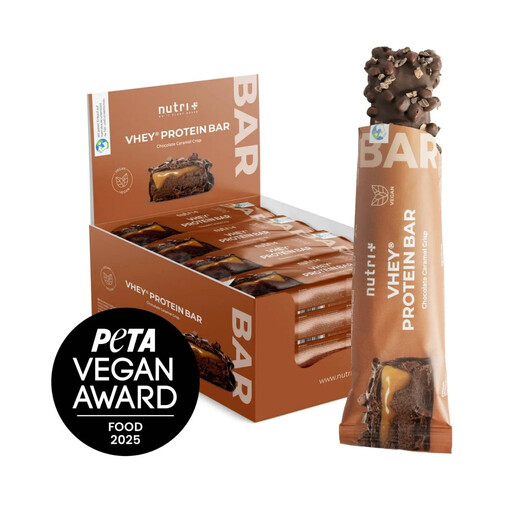
Why this product suits this profile: An option if you’re looking for a plant-based protein bar in a multipack for regular snacking.
The description specifically names pea and hemp protein as protein sources, making it easier to check for animal-derived ingredients.
13 g of plant-based protein per 50-g bar and a box of 12, according to the product description.
We’ve put together a complete, regularly updated list of products that meet these strict selection criteria and fully comply with the safety regulations in force in the EU.
The best-before date is shown on the packaging. Unopened bars should be stored in a cool, dry place away from direct sunlight. High temperatures can affect chocolate coatings and texture in particular. Once opened, a bar should be eaten promptly.
A protein bar can be a convenient snack before or after physical activity. Protein content, energy content and how well you tolerate it are all relevant when choosing one. However, a bar is no substitute for a varied diet or a complete meal.
The price per bar depends on the pack size, bar weight, protein content and recipe. Divide the total price by the number of bars, then compare the price per 100 g as well. This makes it easier to compare small individual packs with protein bar multipacks fairly.